Ukraine has sharply criticised Egypt after a vessel carrying grain allegedly stolen from Russian-occupied Ukrainian territory was allowed to unload at the port of Abu Qir. Foreign Minister Andrii Sybiha announced on Tuesday that this marks the fourth such shipment accepted by Cairo since April, despite earlier promises to halt the practice.
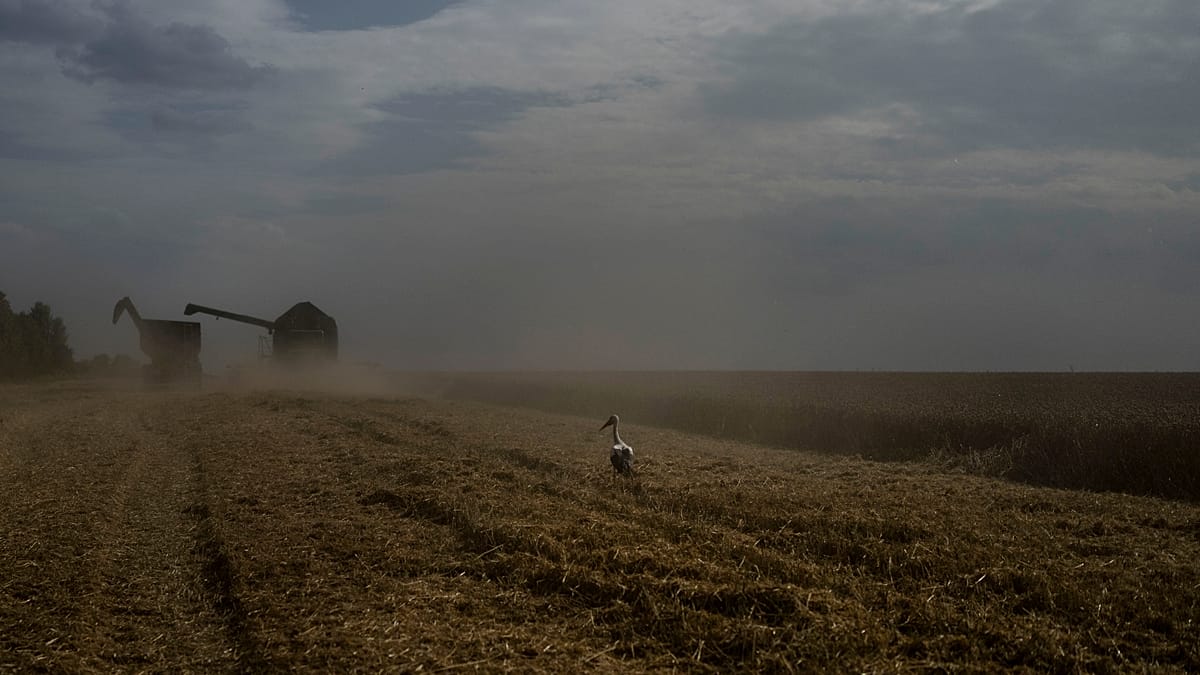
In a statement on X, Sybiha said that the Asomatos vessel had been permitted to discharge 26,900 tonnes of wheat that Kyiv says was taken from Ukrainian farms in areas under Russian control. He noted that Ukraine’s prosecutor general had formally requested legal assistance from Egypt’s ministry of justice four days prior, providing all necessary data and legal grounds to seize the ship and its cargo. The grain was exported by the sanctioned Russian-linked company Agro-Frigat via the Crimean peninsula, which Russia annexed in 2014.
“Ukraine is a country that has played the role of a reliable food security guarantor for Egypt for many years — and we don’t understand why Egyptian partners pay us back by continuing to accept stolen Ukrainian grain,” Sybiha wrote. He urged Cairo to “uphold international law and their own promises made to us, and the principles of our bilateral relations.”
Diplomatic Tensions and Broken Promises
The dispute comes after Ukrainian President Volodymyr Zelenskyy said he raised the issue directly with Egyptian President Abdel Fattah El-Sisi last month. In a post on X on 3 April, Zelenskyy stated that El-Sisi had assured him Egypt would no longer accept grain exported by Russia from Ukraine’s temporarily occupied territories and expressed interest in increasing imports of Ukrainian grain. Yet, according to Kyiv, shipments have continued.
“This is the fourth instance of Russiaʼs grain laundering in Egyptian ports since April,” Sybiha said. The repeated acceptance of such cargoes undermines trust between the two nations, which have historically maintained strong agricultural trade ties. Ukraine has long been a major supplier of wheat to Egypt, one of the world’s largest importers of the grain.
The incident also echoes a similar controversy involving Israel earlier in April. Israeli grain importer Zenziper postponed unloading grain from a ship carrying stolen Ukrainian wheat after Kyiv raised objections. That vessel, the Panormitis, like the Asomatos, was flagged in Panama. Marine traffic data shows the Panormitis still anchored off Israel’s coast a week after being denied permission to dock in Haifa, following a public diplomatic spat in which Ukraine accused Israel of ignoring official communications and Israel countered that insufficient evidence had been provided.
These episodes highlight a broader challenge for Ukraine: preventing Russia from monetising agricultural products looted from occupied territories. Moscow has used such grain to bolster its own exports and curry favour with importing nations, while Kyiv struggles to enforce its claims through diplomatic channels and international law.
The European Union has imposed sanctions on entities involved in the theft and export of Ukrainian grain, but enforcement remains patchy. The Asomatos and Panormitis cases illustrate how vessels can evade scrutiny by operating under flags of convenience and routing through third countries.
For Egypt, the decision to accept the grain may reflect pressing domestic food security needs amid global price volatility and the economic fallout from the war in Ukraine. However, the move risks alienating a key partner and undermining Cairo’s stated commitment to international norms. As the conflict grinds on, such incidents are likely to test the resilience of Ukraine’s diplomatic relationships beyond Europe.