Ukraine launched a long-range strike against a critical Russian military-industrial complex in the city of Cheboksary, located in the Chuvash Republic more than 1,500 kilometres from the Ukrainian border. The operation, carried out on Tuesday, comes just days before Moscow's annual Victory Day parade on 9 May.
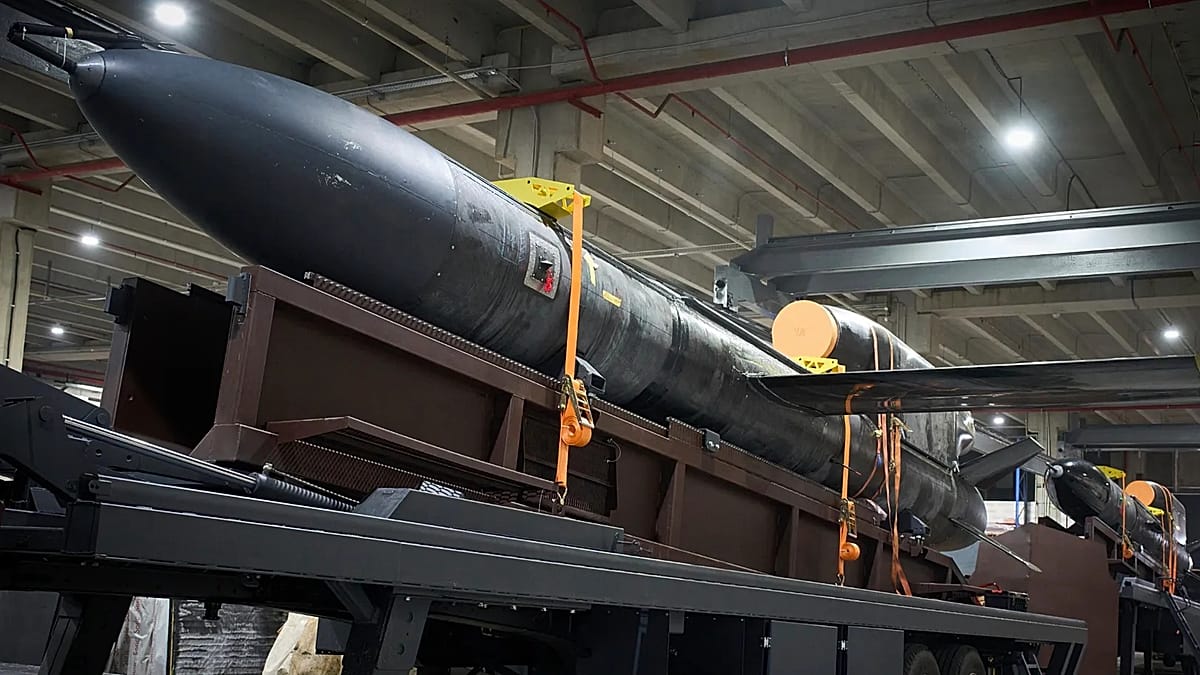
Ukrainian President Volodymyr Zelenskyy released video footage showing the launch of domestically-produced Flamingo cruise missiles, which he said covered the distance to strike a facility that produces components for high-precision weapons used by Russian forces in Ukraine. “The struck military production facility manufactured relay protection systems, automation equipment, and low-voltage apparatus,” Zelenskyy wrote. “Russia must end its war and move to real diplomacy. We have made our proposal.”
Competing Ceasefire Proposals
On Monday, Zelenskyy announced that Ukraine would declare a unilateral ceasefire beginning at midnight on Wednesday, in response to Russia's own unilateral ceasefire declaration for its Victory Day parade. “We believe that human life is far more valuable than any anniversary ‘celebration’,” he said, referring to the 9 May commemorations. He added that the timeframe—from the night of 5–6 May—would be sufficient to test whether a genuine pause in hostilities could be respected. “We will act reciprocally starting from that moment,” Zelenskyy stated. “It is time for Russian leaders to take real steps to end their war, especially since Russia’s defence ministry believes it cannot hold a parade in Moscow without Ukraine’s goodwill.”
The duelling ceasefire announcements echo a pattern seen in previous years, as both sides seek to frame the narrative around the Victory Day holiday. For more on the broader context of these competing truces, see our analysis of the ceasefire dynamics.
Victory Day Blackout and Scaled-Back Parade
In a sign of heightened security concerns, Russian authorities began cutting off mobile internet services for many users starting Tuesday. Major banks, including Sberbank, warned of potential disruptions to mobile internet and cash withdrawals. The Kremlin also confirmed that this year's Victory Day parade in Moscow would be significantly scaled back, with no military vehicles or cadets participating, citing the “current operational situation”. “All measures are being taken to minimise the danger,” said Kremlin spokesperson Dmitry Peskov, referring to what Moscow calls a “terrorist threat” from Ukraine.
The reduced scale of the parade is widely seen as an indicator of the strain on Russia's military, including personnel and equipment shortages. The US-based Institute for the Study of War (ISW) assessed that in April, Russian forces lost territory in Ukraine for the first time in over a year and a half, ceding 116 square kilometres. The think tank noted that the Russian rate of advance has been steadily declining since November 2025, exacerbated by continued Ukrainian ground counterattacks, mid-range strikes, the February block on Russia's use of Starlink terminals in Ukraine, and the Kremlin's throttling of Telegram.
The strike on Cheboksary is the latest in a series of Ukrainian deep-strike operations aimed at disrupting Russian military logistics and production. Earlier this week, a Ukrainian drone struck a high-rise building in Moscow, further underscoring Kyiv's growing reach. For more on that incident, see our report on the Moscow drone strike.
Meanwhile, Russian strikes continue to exact a heavy toll on Ukrainian civilians. In the past 24 hours, attacks killed at least 10 people across Ukraine, while Kyiv struck Black Sea oil tankers in a separate operation. For details on the latest casualties, read our coverage of the ongoing violence.
The developments come as European leaders increasingly engage with Ukraine on security and diplomatic fronts. Armenia recently hosted Zelenskyy and EU officials in a move that signals a break from Moscow's influence. For more on that shift, see our report from Yerevan.