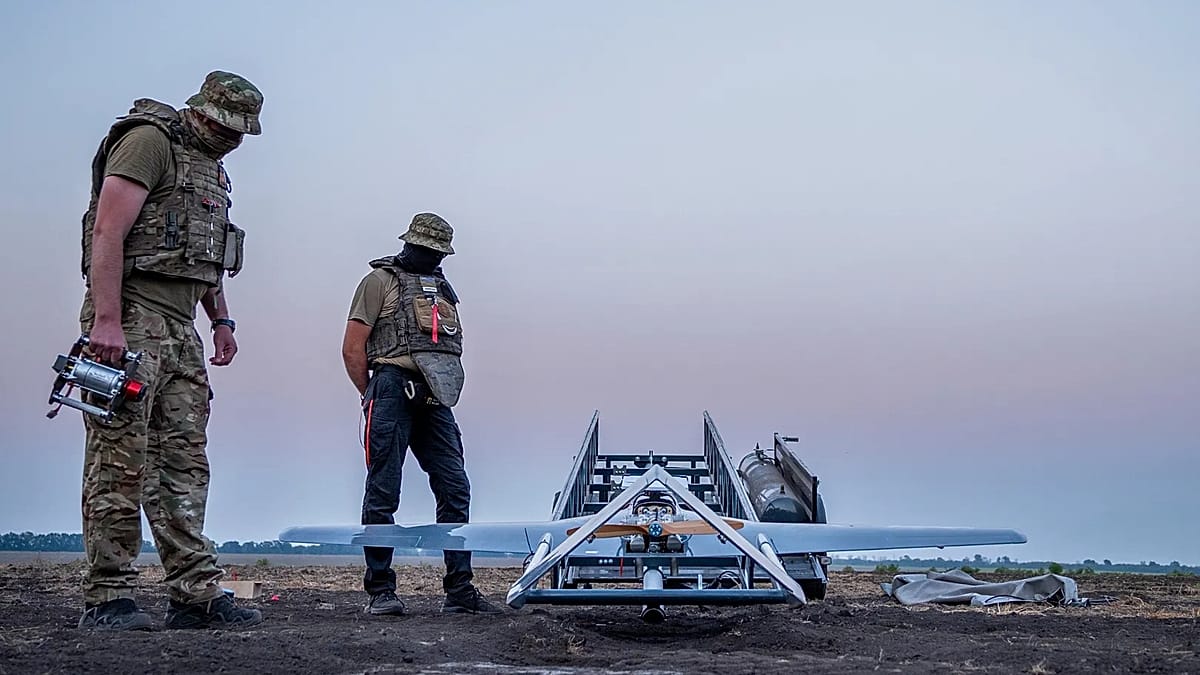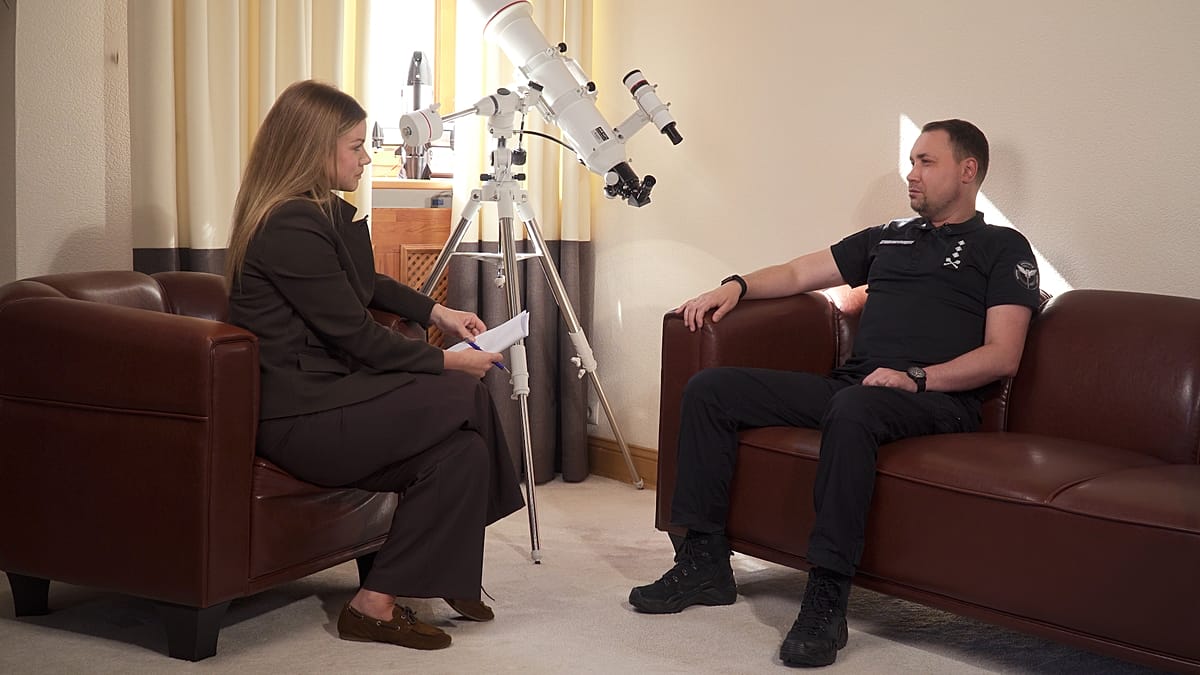
Ukraine is already using new interceptor technology against Russia's jet-powered attack drones and is racing to scale up production before the hardest part of winter, according to Kyrylo Budanov, head of Ukraine's military intelligence. In an exclusive interview, Budanov said the technology is successfully intercepting most of these faster drones, but producing enough of them remains the main hurdle.
The technology could also become available to countries that have signed drone cooperation agreements with Kyiv, known as "Drone Deals." These agreements, already in place with Lithuania, Latvia, Estonia, the Netherlands, and Denmark, provide a framework for joint production, technology transfer, and military expertise exchange.
Budanov stressed that the offer is not about a specific product but about deepening cooperation on similar systems. "Anyone who has made such agreements with us has the right, so to speak, to continue negotiations on specific products," he said.
Russia's faster drones change the threat
Moscow has increasingly deployed jet-powered drones capable of speeds up to 500 km/h, significantly faster than the previous generation of Ukrainian interceptors, which could reach around 300 km/h. That speed advantage meant older interceptors could no longer reliably catch the new Russian drones, forcing Ukrainian forces to use more expensive and scarce air-defence missiles.
Ukraine has since accelerated development of faster interceptors specifically designed for this threat. President Volodymyr Zelenskyy said Ukraine intercepts about 90% of conventional Shahed-type drones, but the newer jet-powered variants are far harder, with an interception rate of just 57% earlier this week.
Budanov expressed confidence that Ukraine can reach the necessary production levels before the most difficult period of winter. The urgency is already visible on the ground.
Euronews gained exclusive access to an air-defence position protecting the Kyiv region, where soldiers described how Russia's faster drones sharply reduce reaction time. When a jet-powered drone heads toward Kyiv, crews sometimes have only 10 to 15 seconds to respond. The relentless pace of attacks has left some soldiers sleeping as little as an hour and a half per day.
Pavlo Tsugunov, an anti-aircraft battery commander, said the speed and altitude of the latest Russian drones make them much harder to engage with existing systems. "They are flying higher and faster," he said. "And for the most part, the systems we have cannot engage these targets."
The development comes as Ukraine's drone industry expands rapidly, with lessons being shared with allies. Estonia, for example, is scaling up its own drone production with insights from Ukraine's battlefield experience. The potential sharing of interceptor technology could further strengthen these partnerships.
Ukraine's broader defence needs remain pressing, with funding shortfalls dominating EU defence ministers' talks in Brussels. The country is also facing a budget gap of $20 billion and the economic strain of a Black Sea grain blockade that could add billions to global food costs.
Budanov's comments suggest that Ukraine is willing to leverage its battlefield innovations to deepen cooperation with European partners, even as it fights to defend its own skies.