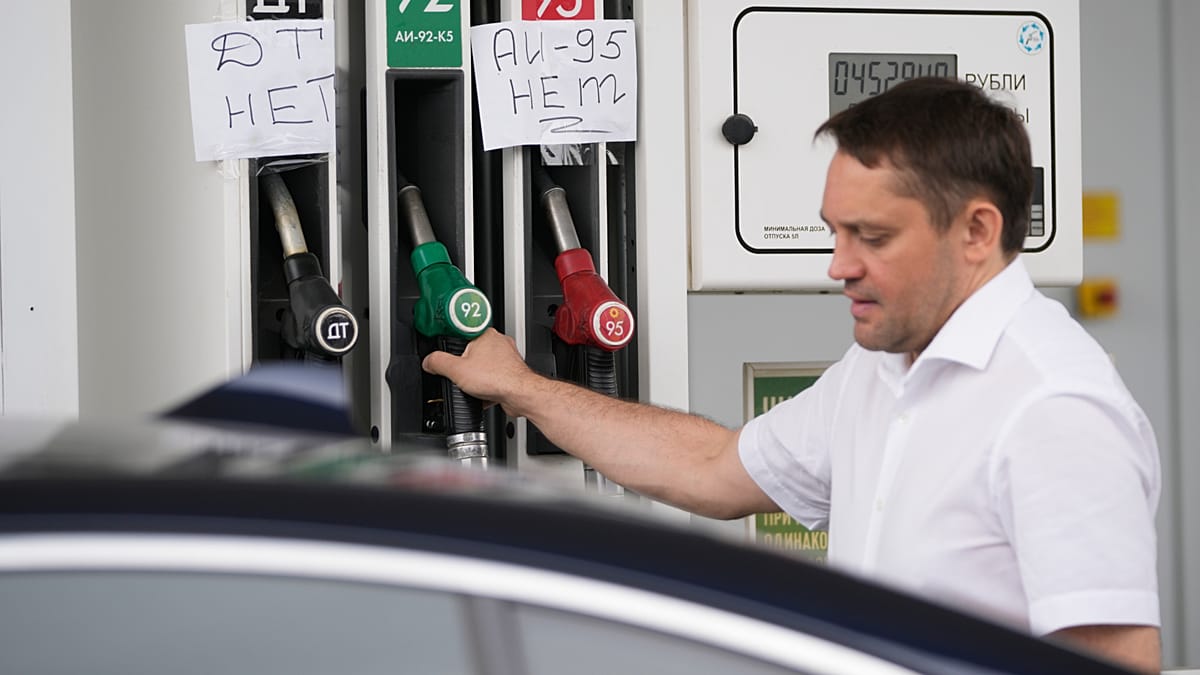
Drivers in Saint Petersburg are facing significant difficulties finding petrol as Ukrainian drone strikes on Russian energy infrastructure continue to disrupt fuel supplies. Over the past several weeks, intensified attacks have targeted refineries and storage depots, leading to a cascade of shortages that have now reached the country's second-largest city.
Filling stations across Saint Petersburg have been forced to ration fuel, with some closing altogether. Long queues have formed at the few stations still operating, and reports indicate that some motorists have been turned away after waiting for hours. The shortages are particularly acute in the city's northern districts, where several major fuel depots have been hit.
Impact on Daily Life and Economy
The disruption is not merely an inconvenience; it threatens to hamper economic activity in a region that serves as a key industrial and logistical hub. Saint Petersburg's port, a vital gateway for Russian exports, relies on a steady supply of diesel and petrol for trucks and ships. Local businesses, from delivery services to construction firms, are already reporting delays and increased costs.
“We have had to cancel half of our deliveries today because we simply cannot get fuel,” said Andrei Volkov, a logistics manager for a Saint Petersburg-based courier company. “If this continues, we will have to suspend operations entirely.”
The shortages come as Russia has already banned diesel exports in an attempt to stabilize its domestic market, a move that underscores the severity of the supply chain disruptions caused by the Ukrainian strikes. The ban, announced earlier this month, was intended to prioritize domestic needs, but it has not been sufficient to prevent shortages in major cities.
Strategic Vulnerability Exposed
The Ukrainian strategy of targeting energy infrastructure has proven effective in creating logistical bottlenecks far from the front lines. By striking fuel depots and refineries, Kyiv has forced Moscow to divert resources to protect these assets and to manage the resulting shortages. This has also raised questions about the resilience of Russia's energy network, which was long considered a strategic advantage.
“The strikes are not just about immediate damage; they are about disrupting the entire supply chain,” said Dr. Elena Morozova, an energy analyst at the European Policy Centre in Brussels. “Russia's fuel distribution system is highly centralized, and hitting key nodes can cause ripple effects across vast distances.”
The situation in Saint Petersburg is a stark reminder that the war in Ukraine continues to have direct consequences for ordinary Russians, even those far from the battlefield. While the Kremlin has sought to project an image of normalcy, the growing fuel shortages suggest that the conflict is increasingly affecting daily life in the country's major urban centers.
As winter approaches, the pressure on Russia's energy infrastructure is likely to intensify. Ukrainian officials have indicated that strikes on fuel depots and refineries will continue as part of a broader campaign to degrade Russia's ability to wage war. For drivers in Saint Petersburg, the immediate outlook is one of continued uncertainty and long waits at the pump.