The United States and Iran have entered a dangerous new phase of confrontation, marked by a rapid succession of airstrikes and maritime attacks since Sunday. The Islamic Revolutionary Guard Corps (IRGC) reported that two more oil tankers exploded in the Strait of Hormuz on Monday, bringing the total number of vessels that have caught fire in the strategic waterway to six within three days.
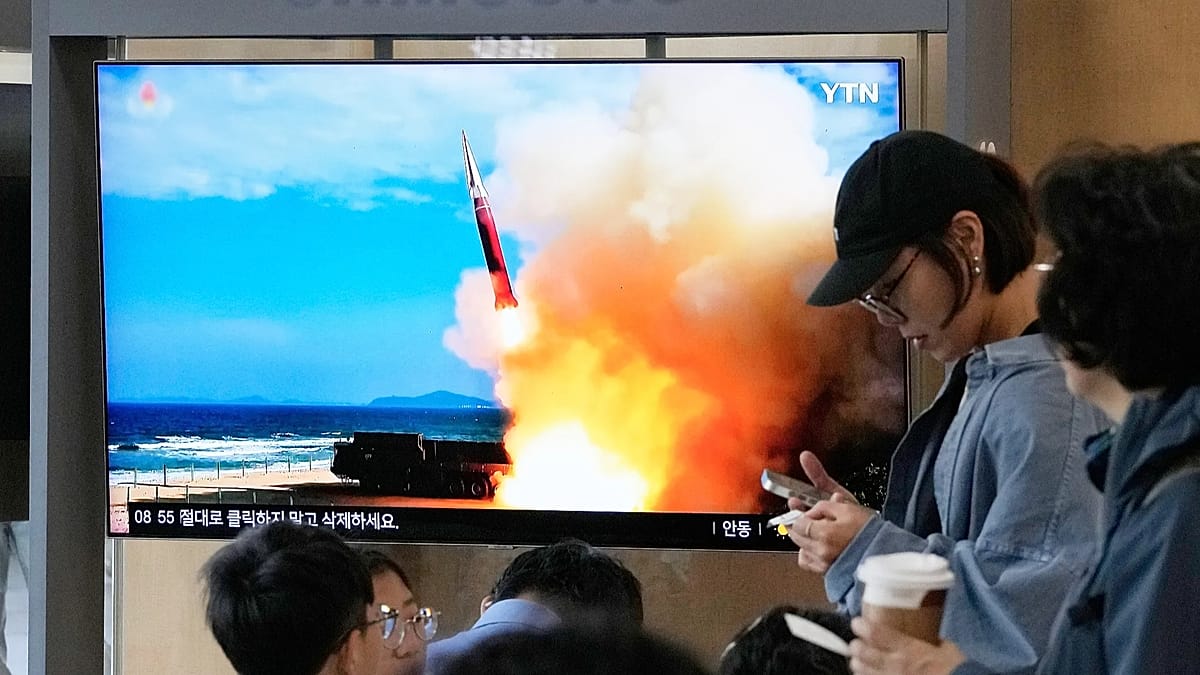
The US military responded with fresh airstrikes on Iranian missile launchers in southern Iran on Sunday night, targeting a wider area than in previous exchanges. This came after Iranian forces struck a US base in Bahrain and fired missiles at tankers in the strait. The USS Theodore Roosevelt has now arrived in the region, joining two other carrier strike groups, marking the first time since the Iraq war that the US has deployed three carriers simultaneously in the Middle East.
Escalation across the Gulf
Iran's attacks on Bahrain, which occurred twice over the weekend, represent a significant shift. A drone strike targeted the US helicopter compound at Al Riffa Air Base on Sunday, in what appears to be a response to earlier US strikes. While US Central Command denied any damage to its assets, the move signals Tehran's willingness to again target Gulf states as part of its show of force.
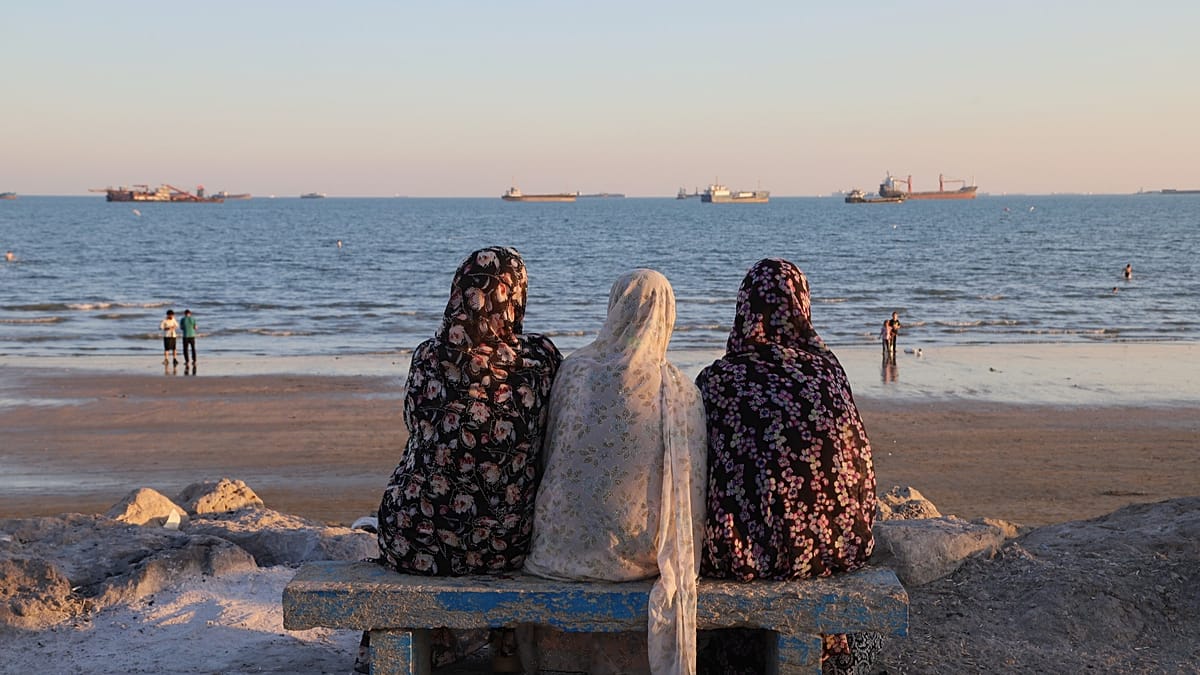
The attacks on tankers in the Strait of Hormuz are particularly concerning, as they have historically triggered immediate US retaliation against Iran's coastal military infrastructure. This time, the US strikes on Bandar Lengeh and Sirik were more extensive, and flight tracking data shows a larger US Air Force presence over the Persian Gulf than in previous weeks.
The IRGC claimed that two tankers attempting to cross the southern route of the strait under US military guidance struck naval mines, with state media reporting that the explosions "lit up the skies for hours." The IRGC warned oil companies that the southern route is mined, describing the attacks as a response to what it called the "illegal US blockade."
On Monday, Iran's Navy announced that another tanker had caught fire after colliding with a sea mine in a restricted area east of the strait. "Turning off tracking systems and unauthorised entry into prohibited and unsafe maritime areas exposes offending vessels to serious risks," the navy said in a statement. It remains unclear whether this was one of the six tankers already reported or a separate incident, and the IRGC's claims have not been independently verified.
The UK's Maritime Trade Operations Authority (UKMTO) confirmed at least one incident in the early hours of Monday, when an oil tanker was hit by "an unidentified projectile" while leaving the strait. The collision caused a fire in the engine room, but no casualties were reported and all crew members were safe. The extent of environmental damage is still being assessed.
Oil prices rose on Monday following the spate of vessel incidents, adding to global market concerns. The situation in the strait, through which about a fifth of the world's oil passes, remains a key risk for energy markets.
Military build-up and threats
The US military is completing a massive build-up, with approximately 19 warships now in the region, including guided missile destroyers and cruisers. According to the Wall Street Journal, US intelligence analysts estimate, with low confidence, that Iran possesses between 1,500 and 2,500 missiles, while Israeli officials put the number at 1,500 ballistic missiles.
On 10 November, the IRGC released images purportedly showing a new underground "missile city" with tunnels housing missiles and launchers. Iranian military officials have threatened to break the cycle of escalation, with one telling Tabnak News that "Iran's new offensive military doctrine means that the country will no longer be limited to calculated retaliation." They have also warned of attacks on US bases in Europe.
US Secretary of State Marco Rubio lashed out at the "Shia clerics of Iran" on Sunday, blaming them for instability across the Middle East, from the Houthis in Yemen to Hezbollah in Lebanon. "Everywhere you turn, there is one common denominator: the Shia clerics of Iran and their expansionist mentality," he said, calling the situation "an extraordinary historic danger."
The escalating conflict has broader implications for Europe, which relies on Gulf oil and has seen tensions spill over into attacks on European soil. Recent incidents, such as the charges against Iran-linked men over attacks in London, underscore the reach of the confrontation. European leaders are watching closely, with some calling for diplomatic de-escalation, though the path to talks appears increasingly narrow.