The United States and Iran have entered a dangerous new phase of confrontation, with senior officials on both sides trading threats that have revived fears of a return to all-out war. The Islamic Revolutionary Guard Corps (IRGC) warned that it has prepared for a "long-term war" using strategic weapons it has deliberately kept in reserve, while President Donald Trump told Fox News that he is considering military action, saying he is weighing options "if and when do I blow the entire nation up."
The remarks, reported over the weekend, mark an escalation in rhetoric that has been building since the collapse of the 2015 nuclear deal and the subsequent re-imposition of US sanctions. European governments, which have tried to preserve the agreement through the INSTEX mechanism and other channels, are watching with growing alarm. The EU's foreign policy chief, Josep Borrell, has repeatedly called for de-escalation, but his appeals have so far gone unheeded.
European stakes in a US-Iran conflict
For Europe, the stakes are not merely diplomatic. A military confrontation in the Persian Gulf would disrupt oil supplies, send energy prices soaring, and potentially trigger a new wave of refugees across the Mediterranean. The EU is also a signatory to the Joint Comprehensive Plan of Action (JCPOA), and its credibility as a diplomatic actor is tied to the fate of that agreement. French President Emmanuel Macron has been particularly active, attempting to mediate between Washington and Tehran, but his efforts have yielded little.
The IRGC's statement, issued through its official news agency, emphasized that Iran's military doctrine is defensive but that it has prepared for a prolonged conflict. "We have not used all our strategic capabilities," a senior commander said. "Our response will be decisive and will surprise the enemy." Analysts in Berlin and Paris interpret this as a signal that Iran may retaliate asymmetrically, possibly through its proxies in Lebanon, Syria, or Yemen, or by targeting US assets in the region.
President Trump's comments, made in an interview with Fox News, were characteristically blunt. He said he was "not looking to start a war" but added that "if we do, it will be the end of Iran." The phrase "blow the entire nation up" drew immediate criticism from European officials, who called for restraint. The German Foreign Ministry issued a statement urging all parties to "refrain from inflammatory language and return to the negotiating table."
The timing is particularly sensitive. Iran has recently accelerated its uranium enrichment program, surpassing the limits set by the JCPOA, and has restricted IAEA inspections. The UN nuclear watchdog's latest report, released last week, confirmed that Iran now has enough enriched uranium to build several bombs if it chose to do so. This has heightened concerns in European capitals that a miscalculation could lead to a rapid escalation.
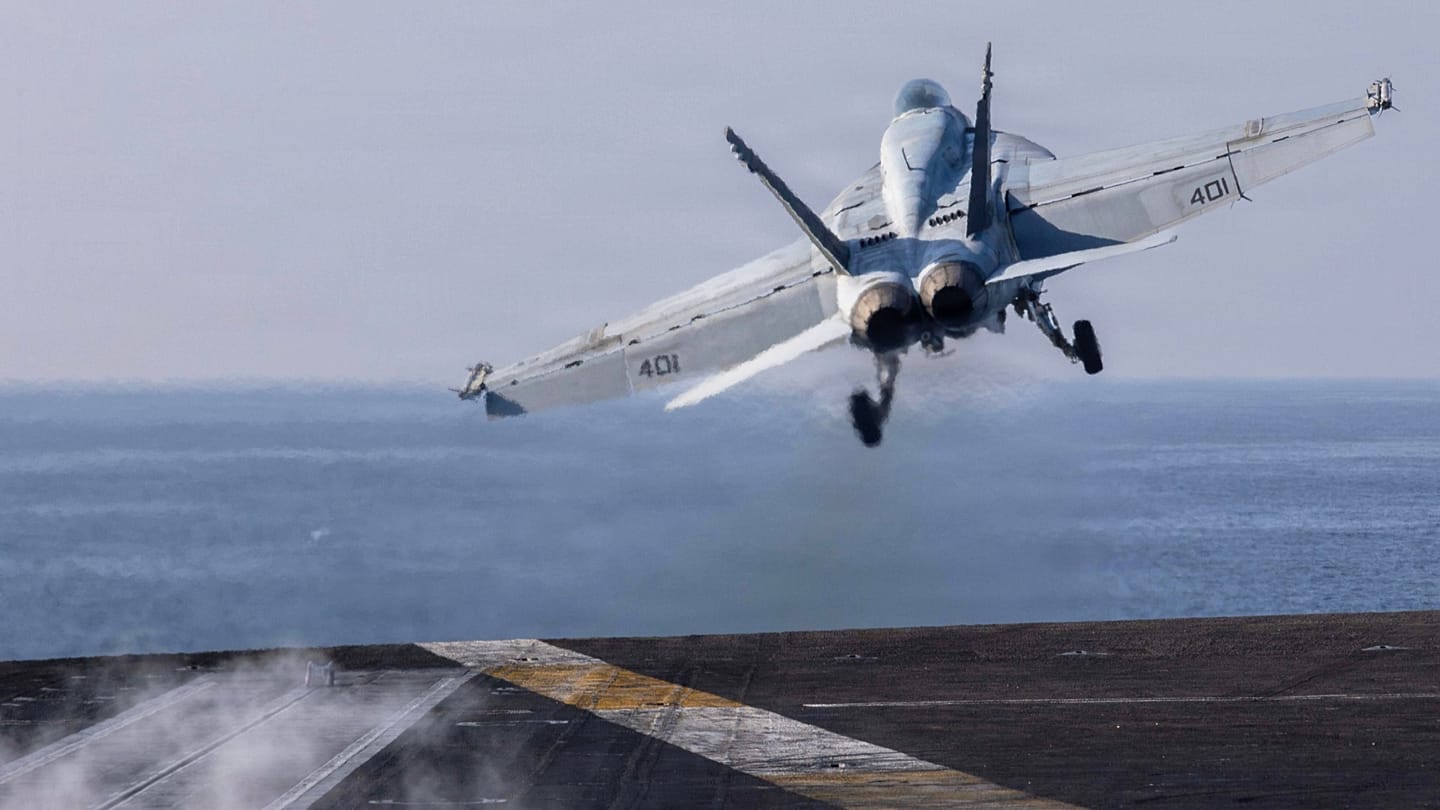
Meanwhile, the US has been building up its military presence in the region, including the deployment of an aircraft carrier strike group and B-52 bombers. The Pentagon has said these are defensive measures, but Tehran views them as preparations for an offensive. In response, Iran has conducted its own military exercises, including tests of ballistic missiles capable of reaching US bases in the Gulf.
European diplomats are exploring ways to revive diplomacy. The EU has proposed a new round of talks, possibly involving the UK, France, and Germany, to address both the nuclear issue and regional security. However, the Trump administration has shown little appetite for negotiations, preferring a policy of "maximum pressure." The recent Trump-Xi summit demonstrated that the president is willing to engage in high-stakes diplomacy, but his approach to Iran has been consistently confrontational.
The crisis is also having economic repercussions. European companies, particularly in the energy and financial sectors, have been forced to scale back their operations in Iran due to the threat of US sanctions. The EU's efforts to establish a payment mechanism to circumvent US sanctions have had limited success, and many firms have chosen to exit the Iranian market altogether. This has weakened Europe's ability to influence Tehran, as it no longer has significant economic leverage.
In the background, there is also the issue of Russian hybrid threats, which Macron has sought to address through a G7 energy summit. The US-Iran standoff is intertwined with broader geopolitical rivalries, including Russia's role in the Middle East. Moscow has maintained close ties with Tehran and has condemned US threats, further complicating European efforts to build a united front.
As the rhetoric intensifies, European leaders are urging calm. The UK's Foreign Secretary has called for "prudence and dialogue," while Italy's prime minister has offered to host a mediation conference. But with both sides seemingly entrenched, the risk of a miscalculation remains high. The coming weeks will be critical in determining whether the crisis can be defused or whether the region is headed for another devastating conflict.