The US House of Representatives on Wednesday approved a comprehensive sanctions package against Russia, clearing the way for President Donald Trump to sign into law the most significant American legislative action against Moscow since his return to the White House. The measure passed 262 to 159, following the Senate's overwhelming 86 to 11 approval last month. Trump has indicated he will sign it.
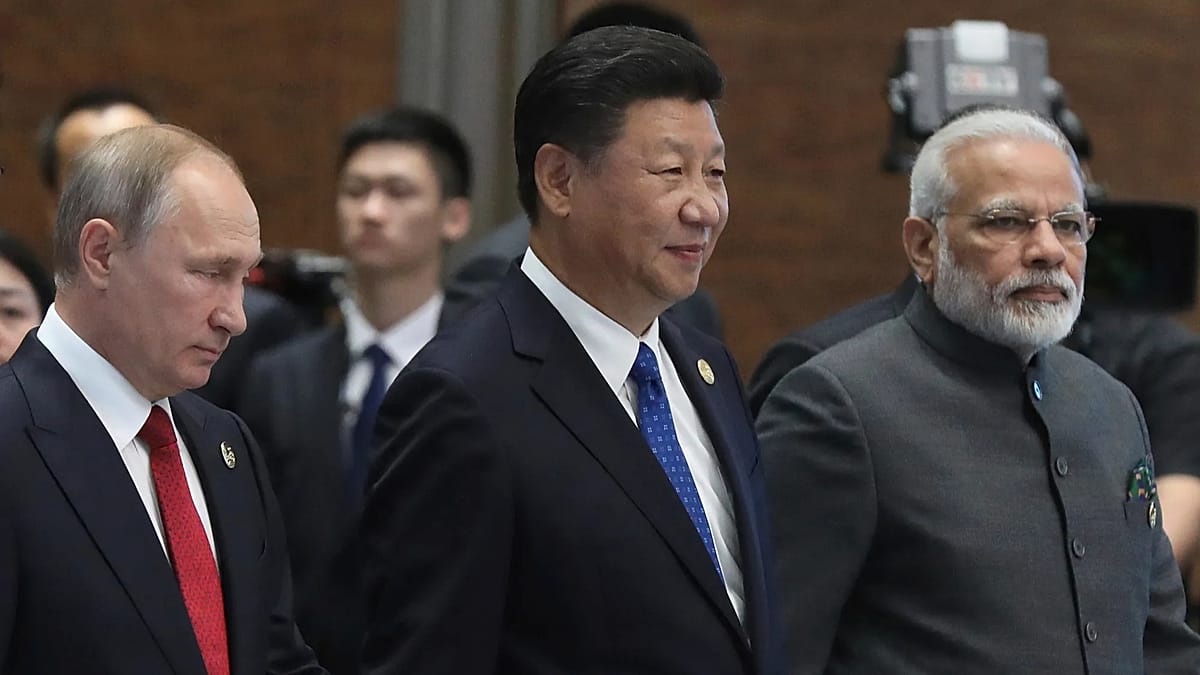
The sanctions target Russia's energy and defence industries, President Vladimir Putin and senior officials, and the so-called "shadow fleet" of tankers used to evade existing Western restrictions. Crucially for global energy markets, the bill also grants Trump the power to impose tariffs of up to 100% on countries that continue buying large volumes of Russian oil and gas—a measure aimed squarely at China and India, two of Moscow's biggest remaining customers.
The tariff provision proved contentious even among supporters of Ukraine in Washington. Some Democrats, while backing tougher action against Russia, objected to giving the president such broad authority over trade policy. Gregory Meeks, the senior Democrat on the House Foreign Affairs Committee, criticised the bill's drafting, arguing it prioritised presidential tariff powers over binding sanctions commitments. He said he would have supported the legislation had the tariff measures been stripped out, but Republicans blocked attempts to amend them.
Despite these reservations, most Democrats ultimately voted for the bill, while a small number of Republicans opposed it on free-market grounds. Supporters say the added pressure is necessary as Russia's full-scale invasion enters its fifth year with no ceasefire in sight. The vote came as Russian drone strikes hit civilian transport in southern Ukraine on Wednesday, killing five people, according to officials in Kyiv—an attack that added urgency to calls from pro-Ukraine campaigners for the bill's passage.
Kyiv welcomes the bill but India holds firm
Ukrainian President Volodymyr Zelensky had lobbied Congress directly to pass the sanctions, arguing that only sustained economic pressure would push Moscow toward negotiations. Speaking in Washington in July, he said Russia was losing around 30,000 soldiers a month but showed no sign of ending the war, adding that the initiative on the battlefield had shifted out of Putin's hands. India responded on Thursday by signalling it would not change course, saying it would continue purchasing Russian oil "through diversified sourcing and on the basis of evolving market dynamics." Russia remains one of India's most important strategic and military partners, complicating Washington's efforts to isolate Moscow economically.
The legislation also targets companies and foreign entities supporting Russia's military effort and extends existing sanctions related to Iran. It follows more than a year of delay, reflecting Trump's general preference for retaining personal control over sanctions and tariff policy rather than ceding it to Congress. Ukrainian advocacy groups welcomed the bill's passage while urging swift enforcement. "Once the bill is quickly signed and becomes law, we hope for strong US enforcement to finally end the cash flows to the Kremlin's war chest," said Svitlana Romanko of the energy lobby group Razom We Stand. "Every day of delay is a day we in Ukraine must bury more people."
The new sanctions come as Russian drone strikes continue to hit civilian targets in Ukraine, underscoring the urgency of the situation. Meanwhile, Zelensky has expressed readiness for an energy ceasefire, but Russia has not agreed. The bill's passage also follows a US-brokered deal that saw Belarus free 25 prisoners in exchange for sanctions relief, a move that has drawn mixed reactions in Europe.
For European observers, the sanctions package represents a double-edged sword. While it strengthens the transatlantic front against Moscow, the tariff provisions could strain relations with key Asian economies and disrupt global energy markets. European Union officials have been cautious, noting that the bloc's own sanctions regime remains separate but complementary. The coming weeks will test whether the threat of tariffs will persuade China and India to reduce their Russian energy imports, or whether it will simply shift trade patterns further.