The United States has formally designated helium as a critical material, a move that unlocks federal funding for producers and tightens government oversight of the gas. The decision, announced by the Department of Energy, underscores helium's essential role in semiconductor manufacturing and energy production, and reflects growing alarm over supply disruptions.
Helium is primarily extracted as a byproduct of natural gas processing. The US leads the world in both natural gas and helium output, with Qatar and Russia among the other major producers. But global supply chains have been rattled by a series of shocks: Iran's closure of the Strait of Hormuz amid its conflict with Israel and the US has severely disrupted Qatari exports, and Iranian strikes on Qatari infrastructure have compounded the problem. Russia, meanwhile, imposed temporary export restrictions in April to protect its domestic market.
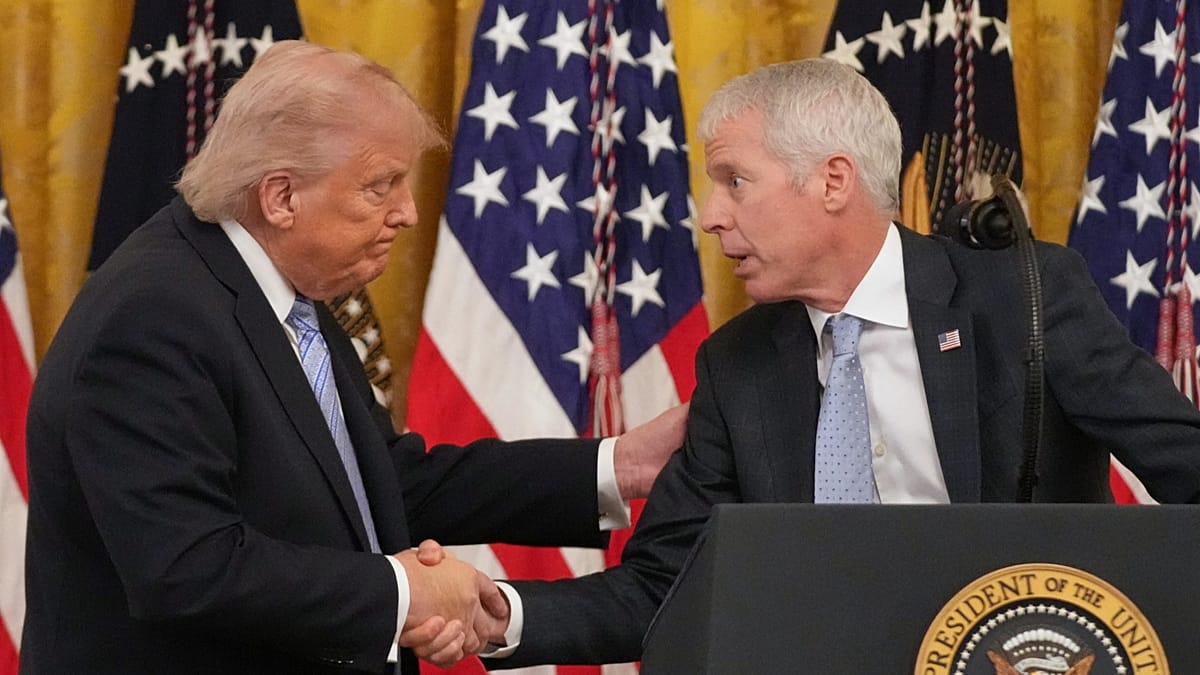
US Energy Secretary Chris Wright framed the designation as part of the Trump administration's broader push to reduce reliance on foreign sources of critical materials. "President Trump is bringing back America's manufacturing industry, and that means making sure we have the materials needed to build things in America again," Wright said in a statement. The move is intended to bolster domestic production, support American jobs, and strengthen economic and national security.
Europe's mounting helium headache
While Washington moves to shore up its own supply, Europe is grappling with a more acute problem. The continent has struggled to secure helium deliveries, and the situation worsened in July when China imposed a temporary export ban on the gas. Although China is not a significant helium producer, it has served as a transit hub for Russian supplies reaching European buyers, according to a July report by the Financial Times.
The squeeze comes at a delicate time for European industry. Helium is indispensable for cooling the powerful magnets in MRI scanners, for purging rocket fuel tanks, and for creating the inert atmospheres required in semiconductor fabrication. With chipmakers across the EU, from Dresden's Silicon Saxony to France's Grenoble, already facing supply-chain pressures, any further disruption could ripple through the bloc's technology sector.
European officials have been quietly exploring alternatives, including boosting imports from Algeria and other producers, and investing in helium recovery and recycling technologies. But the market remains tight, and the continent's dependence on a handful of suppliers leaves it exposed to geopolitical shocks.
The US designation may offer some indirect relief. By encouraging domestic production, Washington could free up more helium for export, though analysts caution that US output is largely consumed domestically. The broader lesson, experts say, is that critical materials are becoming a strategic battleground, and Europe must diversify its sources or risk being left behind.
As the EU grapples with these challenges, it is also confronting other economic pressures, from rising inflation and housing costs to the wage-price squeeze fueling protests. The helium shortage adds another layer of complexity to an already strained industrial landscape.
For now, European buyers are watching the Strait of Hormuz and the diplomatic efforts to ease tensions in the Middle East. Any resolution could restore Qatari exports, but the longer the disruption lasts, the more urgent the need for a coordinated European strategy on critical materials.