Consumer prices across the euro area are climbing again, with annual inflation estimated at 3.8% for September, up from 3.2% in August, according to Eurostat. The surge is led by energy costs, which have jumped 18.8% year-on-year, and by persistently high food prices. The European Central Bank's target of 2% now looks distant, and households from Lisbon to Tallinn are feeling the strain.
Energy shocks and geopolitical fallout
The immediate trigger is the conflict in the Middle East, which has disrupted shipping through the Strait of Hormuz. With 20% of global oil and LNG passing through that chokepoint, its partial closure has cut daily ship transits from 129 to just 3–5, removing roughly 14 million barrels per day from the market. The resulting spike in natural gas, electricity, and motor fuel prices has hit Europe unevenly: Spain leads with 5% inflation, followed by Belgium at 4.69% and Italy at 4.2%. France (3.4%) and Germany (3.3%) are comparatively lower but still above target.
The US dollar's strength in late summer has compounded the problem, making dollar-denominated imports costlier for European buyers. Meanwhile, Washington's recent "energy ceasefire" with Moscow—allowing cheap Russian diesel into the US—leaves the EU to navigate the Strait's closure largely alone, competing with Asian buyers for alternative supplies and paying more for longer routes.
Food prices: from butter to baby formula
Supermarket bills remain a major worry. The European Commission's Consumer Conditions Scoreboard shows 35% of citizens are concerned about affording food. Dairy prices are particularly painful: butter costs 50% more than before the pandemic, milk 40% more. Coffee, cocoa, sugar, and chocolate have been hit by extreme weather and poor harvests, while meat prices stay 30% above 2019 levels due to higher animal feed costs. Fresh produce is also pricier, with greens up 25–30% after summer heatwaves and droughts.
Packaged goods have seen the quiet phenomenon of "shrinkflation," where manufacturers reduce package sizes—like shrinking a formula tub from 800g to 750g—while keeping prices steady. To help consumers spot such tricks, the EU has introduced unit pricing rules requiring retailers to display prices per kilogram, making comparisons easier.
Housing: a growing crisis
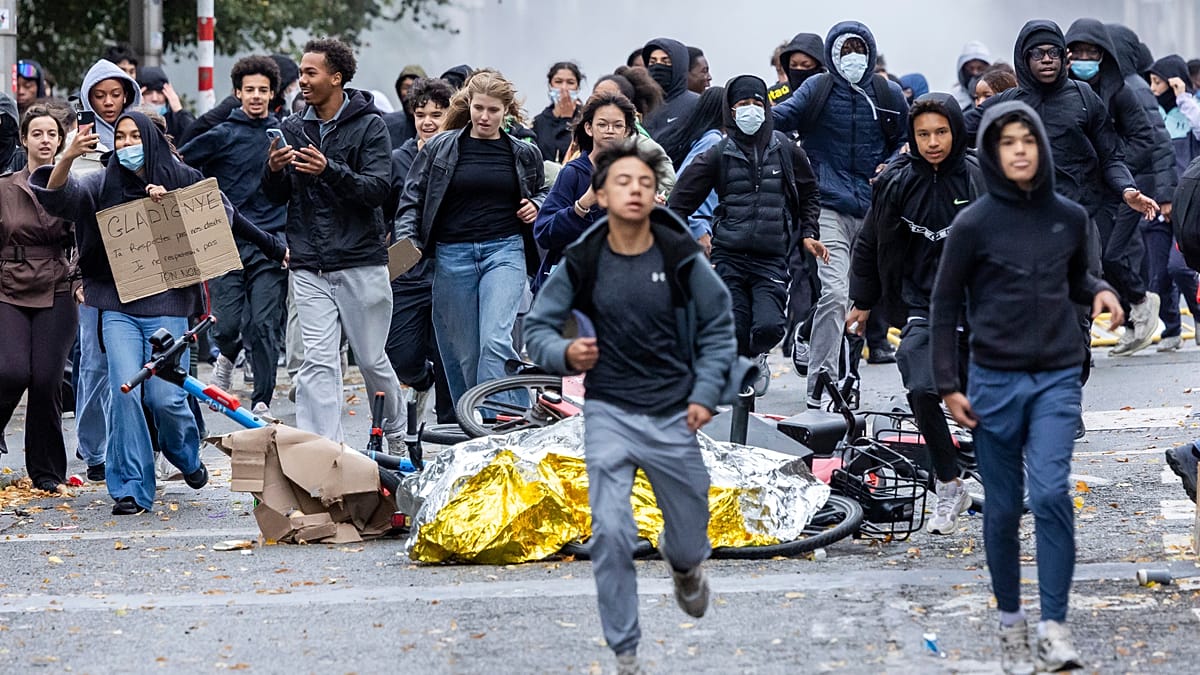
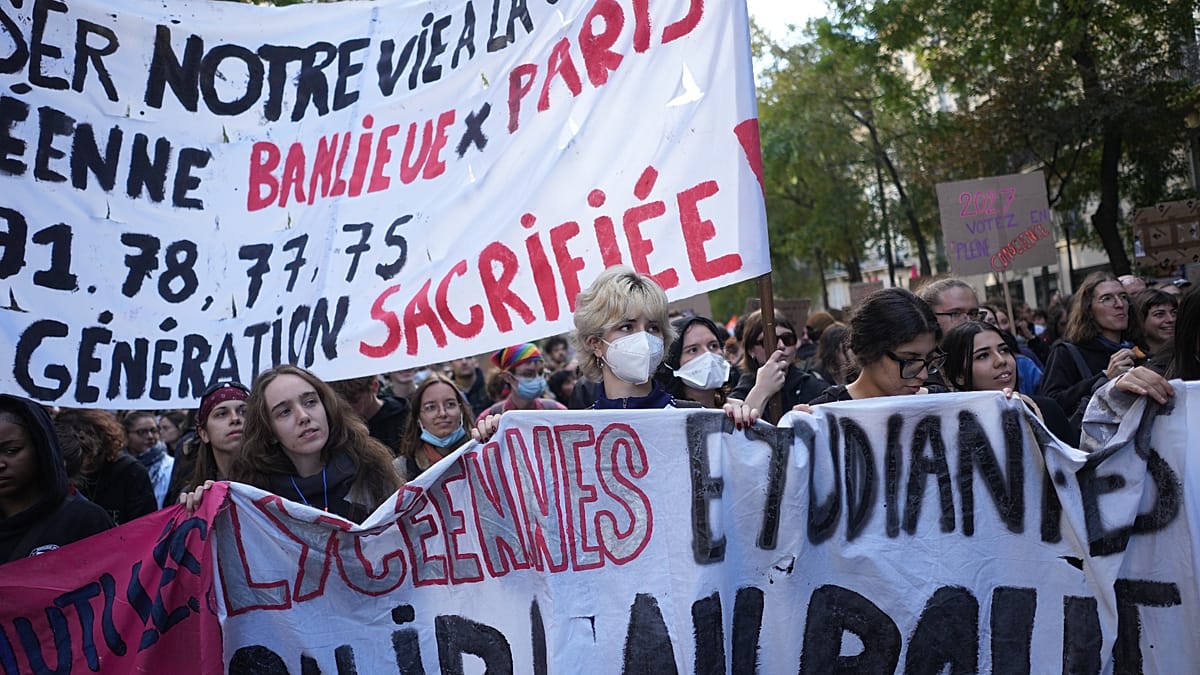
Beyond food and energy, housing costs are fueling protests across Spain, France, Portugal, Greece, and Italy. Eurostat data show house prices rose faster than rents in 19 EU countries, with Portugal leading at +10.3%, Bulgaria +9.4%, and Slovakia +9.1%. Rents increased everywhere except Slovenia and Finland, with Croatia seeing a staggering +21.9% jump. The EU Commission estimates Europe needs over 2 million new homes annually by 2035, but construction costs have risen 56% since 2010, and the IMF notes that high housing costs have prevented about one million job-related relocations within the EU over the past decade, hampering labour mobility and economic growth.
What can the EU actually do?
The EU's toolbox is limited. The ECB's interest rate hikes can temper demand but cannot fix supply-side issues like crop shortages or energy disruptions. To support farmers, the bloc has rolled out the European Food Security Crisis Preparedness and Response Mechanism (EFSCM) and emergency tools under the Common Agricultural Policy, including subsidised insurance and income stabilisation schemes. Horizon Europe funds are backing climate-smart agriculture.
On energy, the EU is accelerating a coordinated response: a new energy demand taskforce and the EU Energy and Raw Materials Platform (formerly AggregateEU) aim to boost cooperation and security of supply. National measures—such as bans on disconnections, emergency tariffs, and targeted vouchers—can shield vulnerable households. The EU is also exploring flexibility in strategic storage requirements, potentially cutting obligations by up to 80% for some countries to ease market volatility.
Yet the bloc's role remains constrained. As protests spread across Europe, the EU is weighing how far it can go without overstepping national competences. For now, the focus is on transparency, coordination, and targeted relief—while hoping that geopolitical tensions ease and supply chains stabilise.