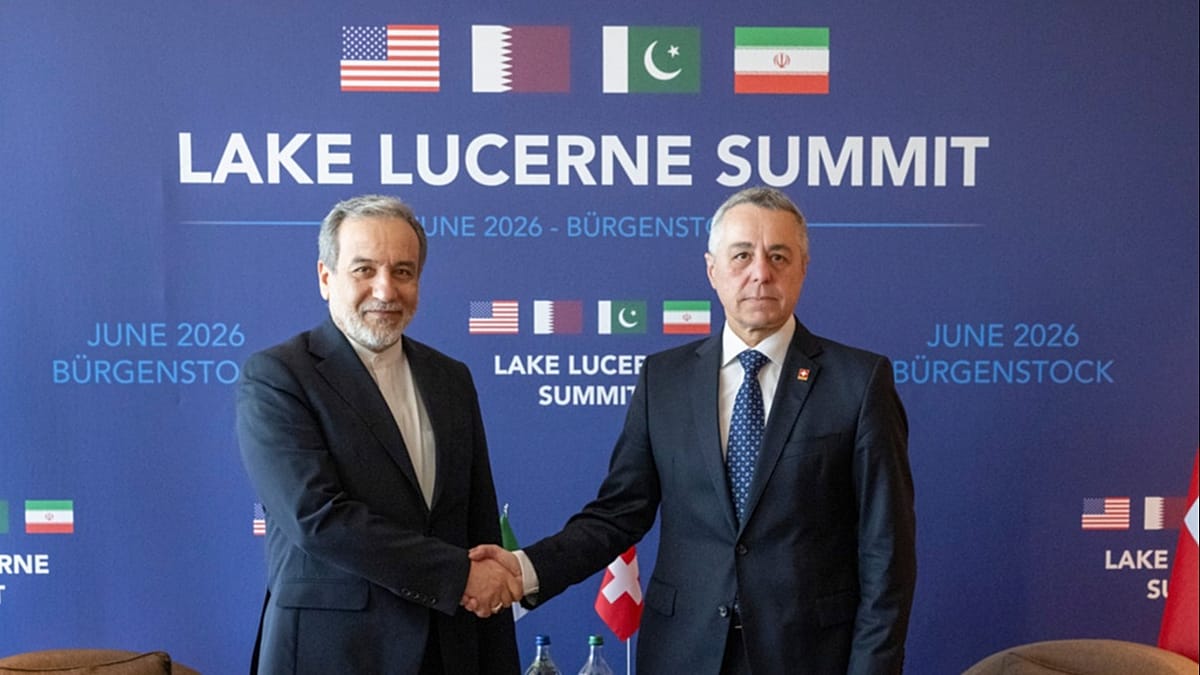
The first round of direct high-level negotiations between the United States and Iran concluded early Monday in Lucerne, Switzerland, with both sides agreeing to continue discussions at a lower technical level for the remainder of the week. The talks, hosted by mediators Pakistan and Qatar, produced an initial framework that includes the establishment of a “de-confliction cell” aimed at addressing the ongoing hostilities in Lebanon.
A joint statement from the mediating countries said the cell would include representatives of the Lebanese government and would “ensure the adherence of the termination of military operations in Lebanon.” It remains unclear whether this mechanism will be sufficient to halt the fighting between the Iran-backed Hezbollah and Israel, which occupies parts of southern Lebanon and insists on retaining the right to strike militants launching attacks into northern Israel.
The US delegation, led by Vice President JD Vance and including special envoy Steve Witkoff and Jared Kushner, met with Iranian parliamentary speaker Mohammad Bagher Ghalibaf and Foreign Minister Abbas Araghchi for approximately 80 minutes, according to Iranian state media. The talks mark the beginning of a 60-day diplomatic process aimed at reaching a permanent end to the US-Israeli offensive on Tehran that began on 28 February, though a fragile truce has been in place since 8 April.
Iran Links Lebanon Ceasefire to Broader Deal
Iranian Foreign Minister Abbas Araghchi wrote on X that “tireless Pakistani and Qatari mediation has delivered major progress to end Lebanon War.” He described the de-confliction cell as the first “real test” of the negotiations, indicating that Iran views a halt to the fighting in Lebanon as a central component of any broader ceasefire agreement with the US.
The fighting in Lebanon remains one of the key sticking points. Iran has moved to link the ongoing hostilities there directly to the success of the overall talks, while Israel continues to demand freedom of action against Hezbollah. The US has not yet commented publicly on the contents of the initial framework agreement, while Iranian state media has described the outcome as a “remarkable breakthrough.”
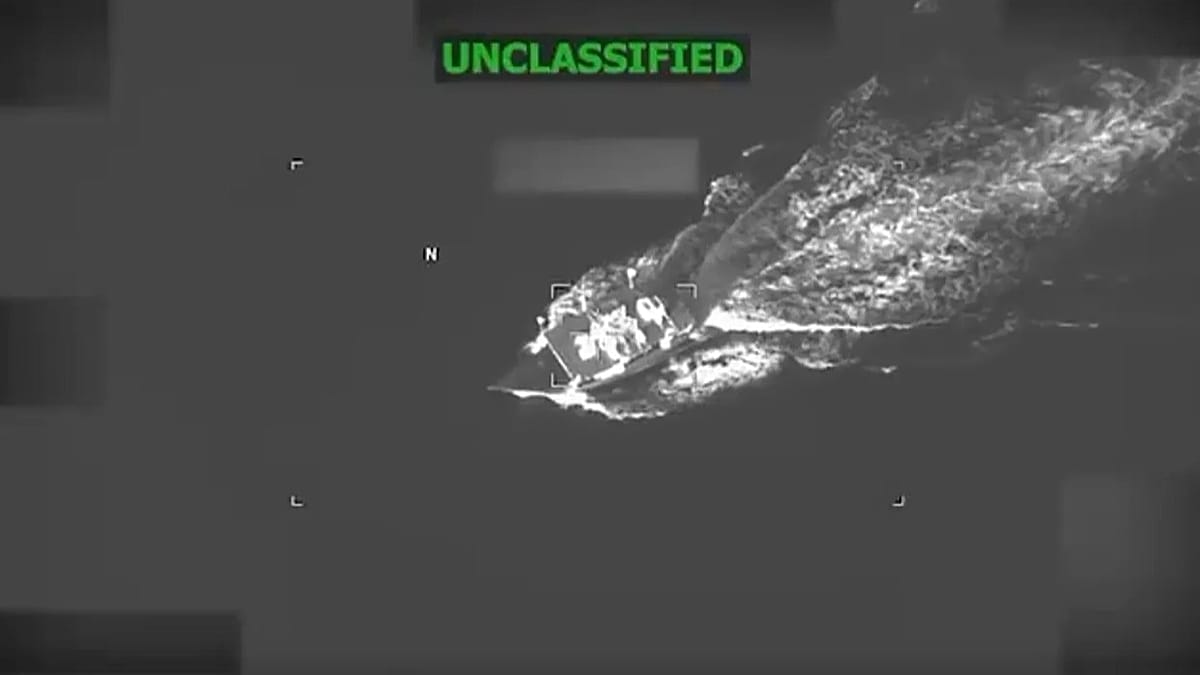
Meanwhile, Iran again shut the Strait of Hormuz over the weekend, the narrow waterway through which roughly a fifth of the world’s oil normally flows during peacetime. The US said that maritime traffic continued despite the closure, which adds another layer of tension to the negotiations.
The talks got off to a tense start on Sunday when US President Donald Trump took to social media to threaten Iran, warning that its president should “watch what he says.” Trump wrote: “Iran must immediately stop their highly paid PROXIES in Lebanon from causing trouble. If they don’t, we’ll hit Iran very hard again, just like we did last week, only harder!!!”
Iran’s lead negotiator, Ghalibaf, responded on X: “They would do better to be careful about their statements. Our armed forces are prepared to respond to them in a different manner. They may keep talking, it is we who act.”
A senior US diplomat involved in the talks, speaking on condition of anonymity, said that Sunday’s discussions included efforts to clarify recent Iranian statements regarding the Strait of Hormuz. The diplomat described the atmosphere as professional but noted that Trump’s comments from afar complicated the mediators’ work.
The negotiations in Lucerne are part of a broader diplomatic push that also involves European actors. The European Union has been closely monitoring the talks, given the potential impact on energy markets and regional stability. The outcome could also influence EU discussions on Iran policy and the broader Middle East, as seen in recent EU summit debates on Ukraine and peace talks.
As lower-level technical talks proceed this week, the key question remains whether the de-confliction cell can deliver a tangible ceasefire in Lebanon. For now, both sides have signaled a willingness to continue the diplomatic track, even as military posturing continues on the ground and at sea.