A federal judge on Monday halted the Trump administration's attempt to relocate the FBI's headquarters to a federal office building in Washington, ruling that the decision to abandon a previously approved site in Maryland was illegal. The ruling marks the latest twist in a long-running dispute over the future home of America's premier law enforcement agency.
US District Judge Theodore D. Chuang, an appointee of former President Barack Obama, found that the administration's move to scrap the Greenbelt, Maryland, site—selected during Joe Biden's presidency—and instead repurpose the Ronald Reagan Building, a few blocks from the FBI's current headquarters, was "not in accordance with law." He blocked the administration from proceeding with the Reagan Building plan, including any renovation or use of funds for that purpose.
The FBI responded with a statement criticizing the ruling, saying, "This is not the first time courts have tried to undermine the administration in its goal to make government more cost-effective for American taxpayers." The statement added, "The court has chosen to impermissibly intervene for political reasons. This FBI is mission focused and will continue the best course of action to meet the needs of law enforcement."
The lawsuit was brought by the state of Maryland and Prince George's County, which had invested heavily in the Greenbelt proposal. Maryland Attorney General Anthony Brown, a Democrat, welcomed the decision, saying, "Maryland and Prince George's County committed more than a decade of work to earn the FBI headquarters and pledged hundreds of millions of dollars. By blocking the Trump Administration's unlawful attempt to move the FBI to the Reagan Building and divert the funds Congress set aside for this project, the Court has cleared the path back to Greenbelt."
Governor Wes Moore, also a Democrat, echoed that sentiment, urging an end to the political maneuvering: "Now it is time to stop the games and get to work building the world-class FBI headquarters that our public servants deserve, where it belongs: in Prince George's County, Maryland."
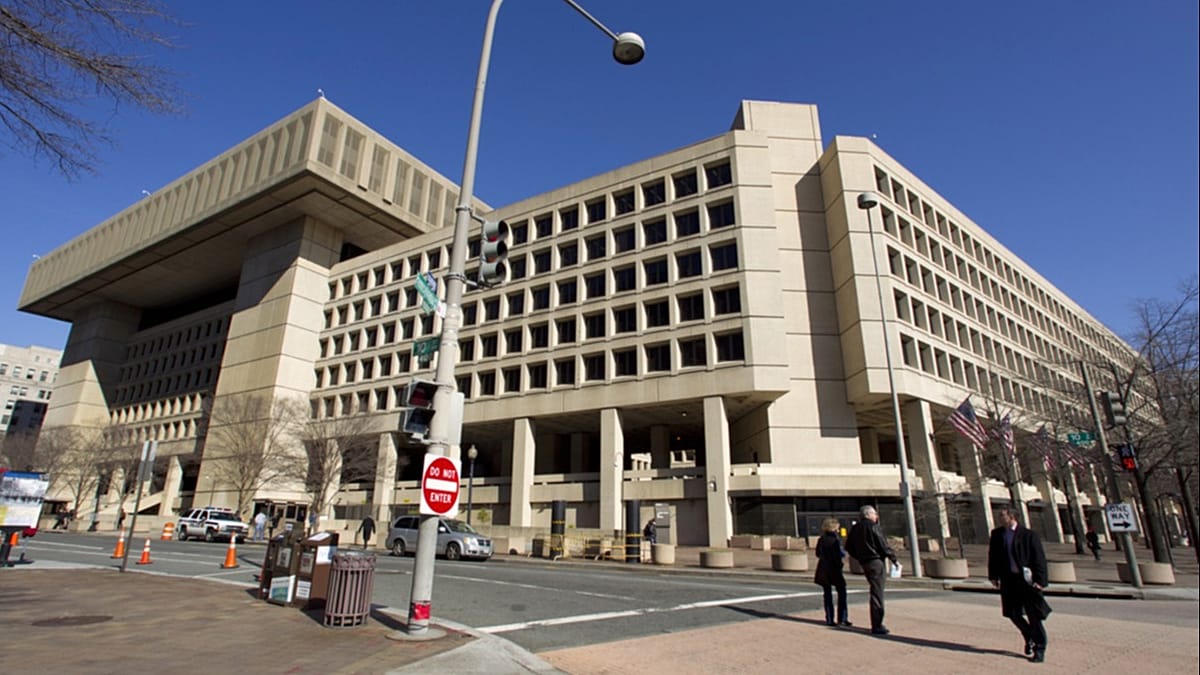
The current FBI headquarters, the J. Edgar Hoover Building on Pennsylvania Avenue, has been in use since 1975. Its brutalist design has long been criticized, and the building has deteriorated significantly, with nets surrounding it to protect pedestrians from falling debris. Proponents of a move have argued that a new facility is essential for the agency's operational needs.
The dispute over the FBI's location has been politically charged, with the Trump administration arguing that repurposing the Reagan Building would save taxpayer money. However, critics contend that the decision was driven by political considerations, including the fact that Greenbelt is in a Democratic-leaning area. The judge's ruling, however, focused on procedural and legal grounds, finding that the administration had not followed the proper process in reversing the earlier decision.
This is not the first time the Trump administration has faced legal setbacks over its policy decisions. In recent months, courts have also weighed in on other contentious moves, such as tariffs on European drones and vaccine policy changes that have implications for global health. The FBI ruling, however, is a domestic matter, though it could have indirect effects on international cooperation, as the FBI works closely with European law enforcement agencies.
The decision is a significant victory for Maryland officials, who had lobbied for years to bring the FBI headquarters to their state. The Greenbelt site, located near Washington, D.C., was chosen after a lengthy review process that considered multiple locations. The ruling does not necessarily end the fight, as the administration may appeal. But for now, the path appears clear for the Greenbelt project to move forward, pending further legal action.
Observers note that the case underscores the broader tensions between the executive branch and the judiciary over the limits of presidential authority. As the legal battle continues, the future of the FBI's headquarters remains uncertain, but Monday's ruling provides a measure of clarity for those who had invested in the Maryland site.