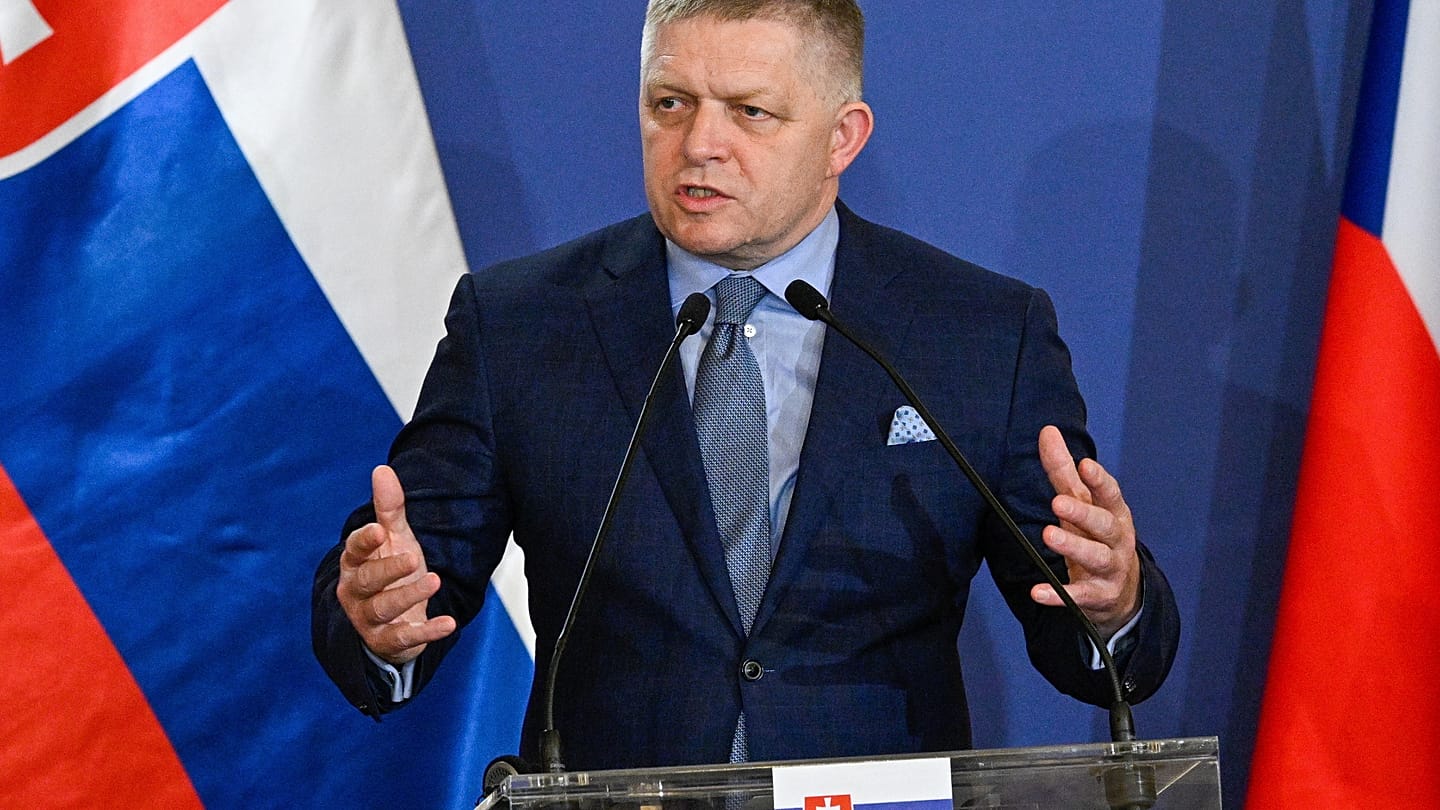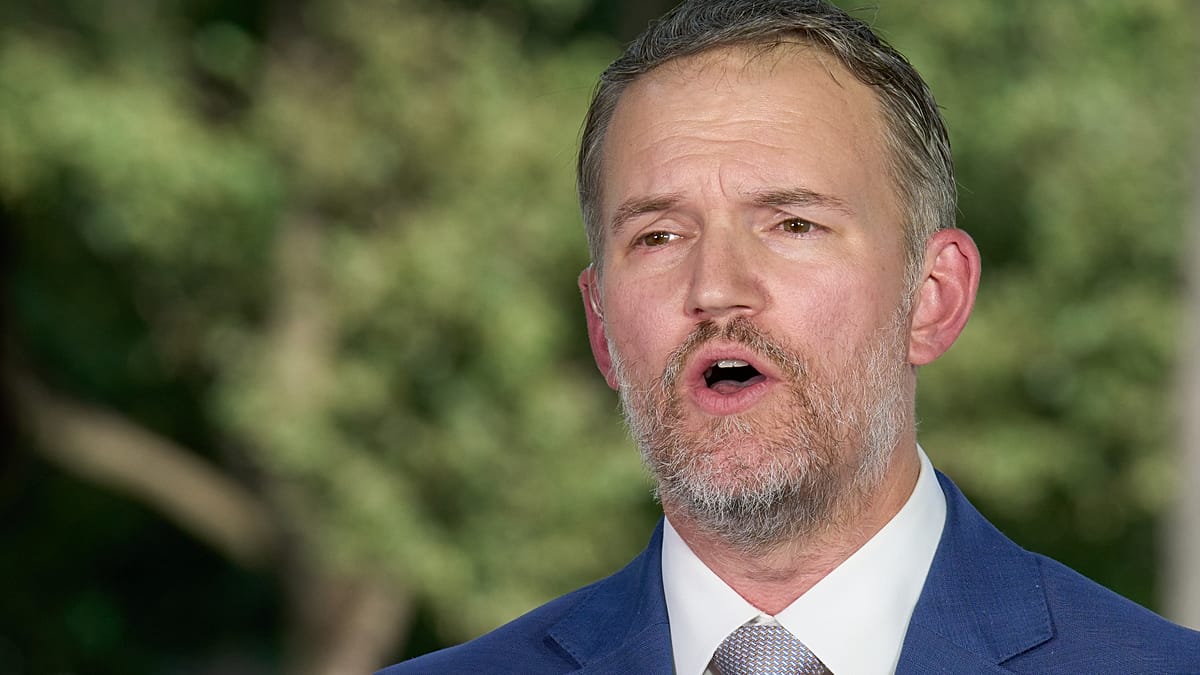
Washington's top trade negotiator has openly criticised Britain's post-Brexit approach, saying London's continued alignment with EU rules is blocking progress on expanding the trade agreement struck last year. Jamieson Greer, the US Trade Representative, told the Financial Times that the UK is not using the freedom afforded by its departure from the bloc.
“Based on my conversations with the UK, where I say, 'Hey, you're free of the EU. Why don't you liberalise a little bit, accept goods made to American standards, accept agricultural goods made to American standards?'” Greer said. “They say, 'Well, we have to wait and see what the EU says about it.' You know that is a problem for us, and that's challenging.”
The remarks come as British Prime Minister Andy Burnham, who succeeded Keir Starmer, intensifies efforts to reset relations with the European Union. Burnham told parliament this week that Brexit had contributed to sluggish UK economic growth, and he has signalled a desire for closer cooperation with Brussels.
London's balancing act
Greer's comments highlight the delicate position Britain finds itself in, caught between its largest trading partner, the EU, and its most important ally, the United States. The UK's decision to align with many EU regulations to ease trade with the continent has frustrated Washington, which had hoped for a more deregulated British market.
During a visit to London this week, French President Emmanuel Macron said Paris and London “remain open to discussing everything, including advancing the UK reset with the European Union.” A crucial summit between the EU and the UK is expected before the end of the year.
Burnham told journalists on Wednesday that since Brexit, “people here are fed up with the [lack of] vision, people see that we need to work closer together.” His government has made EU cooperation a priority, but this has created friction with the Trump administration.
The trade deal announced in May 2025 between Trump and Starmer lowered US tariffs on British luxury cars, steel, and aluminium. In return, the UK agreed to accept more US agricultural products, including ethanol and beef. The UK government insisted that the deal would not dilute British food standards, despite concerns over chlorinated chicken and hormone-treated beef.
Greer's criticism suggests that Washington wants the UK to go further in liberalising its market, particularly in agriculture. However, London's caution reflects its desire to maintain smooth trade with the EU, which remains its largest export market.
The tension is part of a broader pattern of transatlantic trade friction. The EU has recently taken steps to curb short-term rentals and has been embroiled in disputes with the US over tariffs. Meanwhile, the EU trade chief has ruled out mediating the US-Canada trade war, underscoring the bloc's independent stance.
For Britain, the challenge is to balance its historical ties with the US and its geographic and economic proximity to Europe. Greer's blunt assessment suggests that Washington is losing patience with London's cautious approach.
As the year-end EU-UK summit approaches, Burnham will need to navigate these competing pressures. His government has promised to deliver economic growth, but the path forward is complicated by the need to satisfy both Brussels and Washington.
The UK's position is further complicated by other geopolitical issues, such as the Trump administration's questioning of US support for the UK over the Falklands, which has raised doubts about the reliability of the American alliance.
For now, Greer's comments serve as a warning that the US expects Britain to make a choice. But London seems determined to keep its options open, hoping to maintain strong ties with both sides of the Atlantic.