In a dramatic shift following the collapse of Nicolás Maduro's regime, Venezuela's interim government under Delcy Rodríguez is preparing to launch what would be the largest debt restructuring in the country's history. The plan involves acknowledging a total debt of $240 billion, a figure that significantly surpasses previous market estimates and signals a break with the opaque financial practices of the past.
The announcement, made by officials in Caracas, is part of a broader strategy to reintegrate Venezuela into the global financial system after years of isolation. The interim administration hopes that by transparently recognizing the full extent of its liabilities, it can negotiate a restructuring that will attract foreign investment and stabilize the economy.
Implications for European Creditors
European bondholders and institutions hold a substantial portion of Venezuela's debt, including sovereign bonds and loans from entities such as the European Investment Bank. The restructuring could have significant repercussions for financial markets in London, Frankfurt, and Paris, where many of these claims are held. The move also comes as Europe grapples with its own energy transition, and Venezuela's potential return as a major oil supplier could reshape supply dynamics.
Meanwhile, the interim government is seeking to rebuild diplomatic ties with European capitals. Brussels has already signaled cautious support, though it has stressed the need for democratic guarantees and human rights protections. The European Union's foreign policy chief has called for a transparent process that respects the rule of law.
Economic and Political Context
Venezuela's debt crisis has been years in the making, exacerbated by corruption, mismanagement, and international sanctions. The Maduro government defaulted on most of its obligations in 2017, leaving creditors with little recourse. The new administration's willingness to negotiate marks a departure from the confrontational stance of its predecessor.
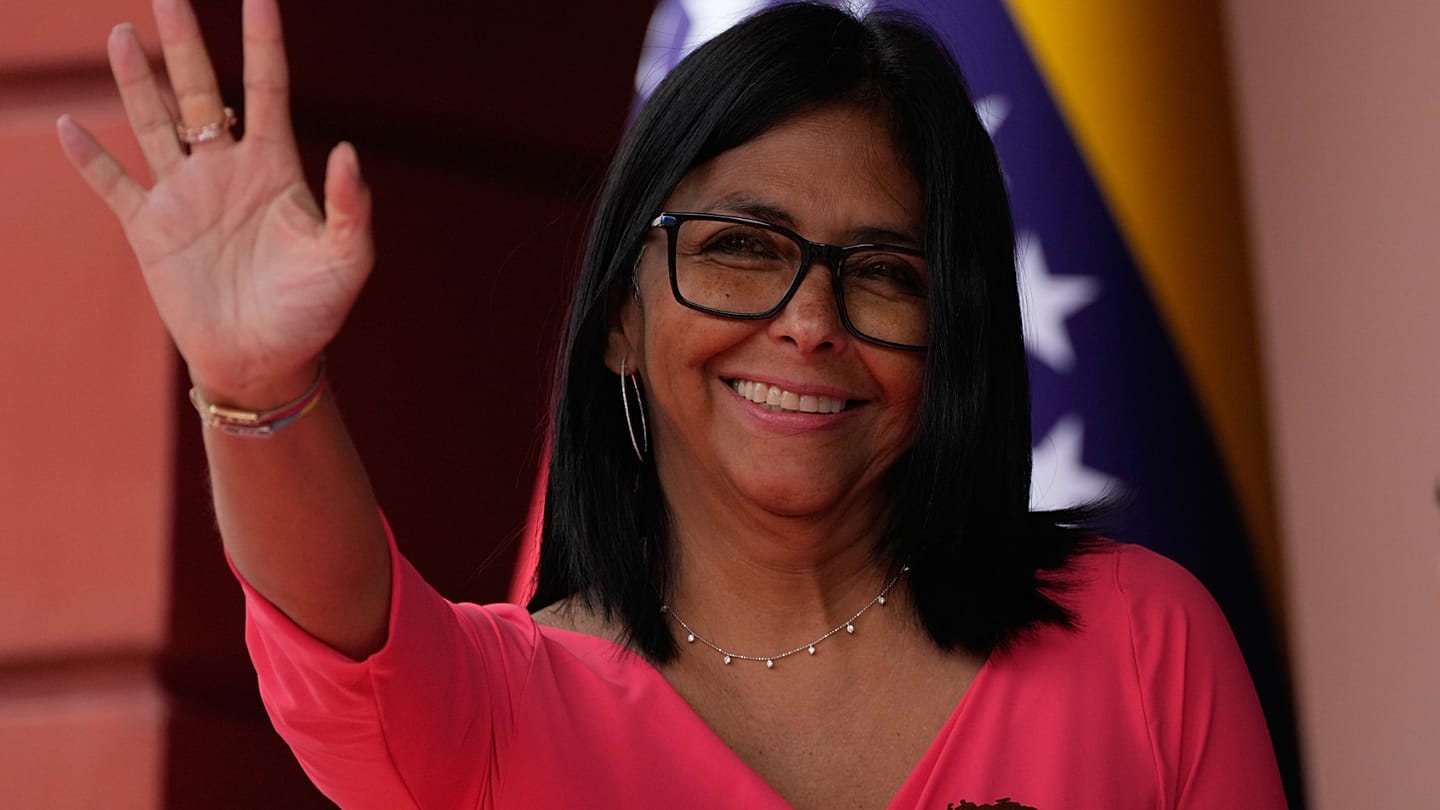
Delcy Rodríguez, a former vice president under Maduro, has positioned herself as a pragmatist. Her government has already taken steps to liberalize the economy, including lifting price controls and devaluing the bolívar. However, the scale of the debt—estimated at over $240 billion when including arrears and penalties—poses a formidable challenge.
Analysts in Madrid and Washington have noted that the success of the restructuring will depend on Venezuela's ability to generate revenue, primarily through oil exports. The country's oil industry, once a crown jewel, has been decimated by years of underinvestment and sanctions. The interim government is in talks with international oil companies to revive production, but progress has been slow.
For European investors, the restructuring offers both risk and opportunity. Some hedge funds have already begun buying Venezuelan debt at deep discounts, betting on a recovery. Others remain wary, citing political instability and the potential for future defaults.
The broader geopolitical implications are also significant. Venezuela's pivot toward the West could reduce its reliance on China and Russia, which have been key creditors. European policymakers are watching closely, as a stable Venezuela could help diversify energy supplies and reduce Europe's dependence on Russian gas.
As the restructuring process unfolds, the interim government will need to balance the demands of creditors with the needs of a population that has endured years of hyperinflation, shortages, and migration. The path ahead is uncertain, but the decision to confront the debt head-on represents a historic turning point for Venezuela and its international partners.