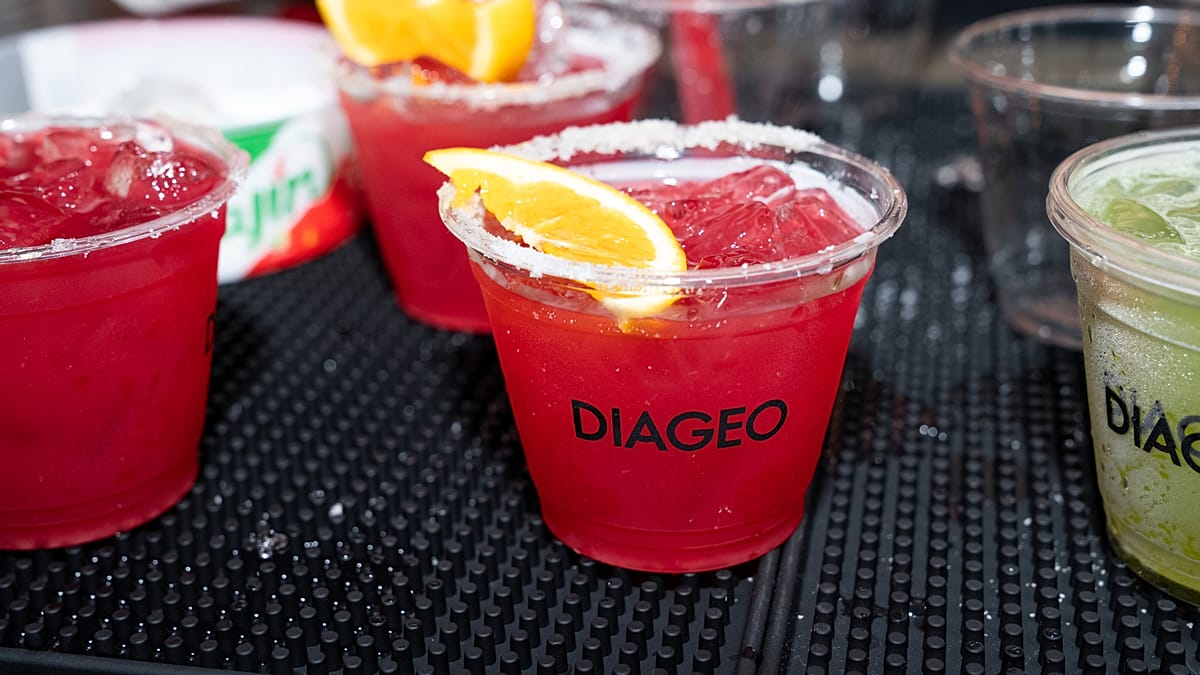
Diageo, the world's largest spirits maker, has announced a $1 billion (€870 million) cost-cutting and restructuring programme as new chief executive Dave Lewis seeks to reverse years of sluggish performance. The company, whose portfolio includes Johnnie Walker, Guinness and Smirnoff, now expects organic net sales growth in the low single digits until the 2029 financial year, scrapping its earlier medium-term target of 5% to 7%.
Lewis, who took the helm earlier this year, is known for aggressive efficiency drives from his time at Tesco and Unilever, where he earned the nickname "Drastic Dave." Investors have welcomed the plan as a decisive step to tackle declining sales, though the full impact on jobs remains unclear as consultations continue in several regions.
Restructuring to reshape cost base
The restructuring will focus on back-office functions across global operations, as well as areas where there is significant duplication between country, regional and global teams. Lewis said the scale of the plan is likely to "fundamentally change" the company's cost structure and will have a "significant impact on colleagues."
Additional savings will come from cutting spending on capacity that was built in anticipation of growth that never materialised. The programme is expected to generate savings over three years, with 70% of the total $1.2 billion (€1 billion) cost already incurred.
The announcement comes as the global beverages industry faces a structural slowdown. Drinking habits have shifted markedly since the pandemic, with consumers drinking less, choosing different types of drinks, and increasingly opting for low- or zero-alcohol alternatives. Rising inflation and the cost-of-living crisis across Europe have also dampened demand.
Diageo's challenges are not unique. Across the continent, spirits and beer makers are grappling with similar headwinds. In the UK, pub closures and changing nightlife patterns have hit sales, while in Germany and France, premiumisation has slowed as consumers tighten budgets. The shift towards healthier lifestyles, particularly among younger drinkers, is reshaping the market.
Lewis's strategy echoes broader corporate restructuring trends in Europe. For instance, HSBC's recent efficiency drive also focused on cost reduction, though in a different sector. Meanwhile, eurozone growth has surprised on the upside, but divergence between member states remains a concern.
The company's decision to abandon its medium-term growth target marks a significant shift in strategy. Analysts say it reflects a realistic assessment of the market, but also raises questions about Diageo's ability to return to robust growth. The company has not provided a timeline for when it might reinstate a formal target.
Lewis's previous cost-cutting at Tesco and Unilever was credited with turning around those businesses, but it also drew criticism for job losses and reduced investment. At Diageo, the challenge is to balance efficiency with maintaining brand strength and innovation, particularly in the growing no- and low-alcohol segment.
The plan is likely to be closely watched by investors and competitors alike. As the industry adapts to changing consumer preferences, Diageo's moves could set a precedent for other major players. The company's ability to execute the restructuring without damaging its core brands will be key to its success.
For now, the focus is on implementation. Lewis has promised more details in the coming months, but the direction is clear: Diageo is preparing for a leaner future, with growth expectations reset to a more modest level.