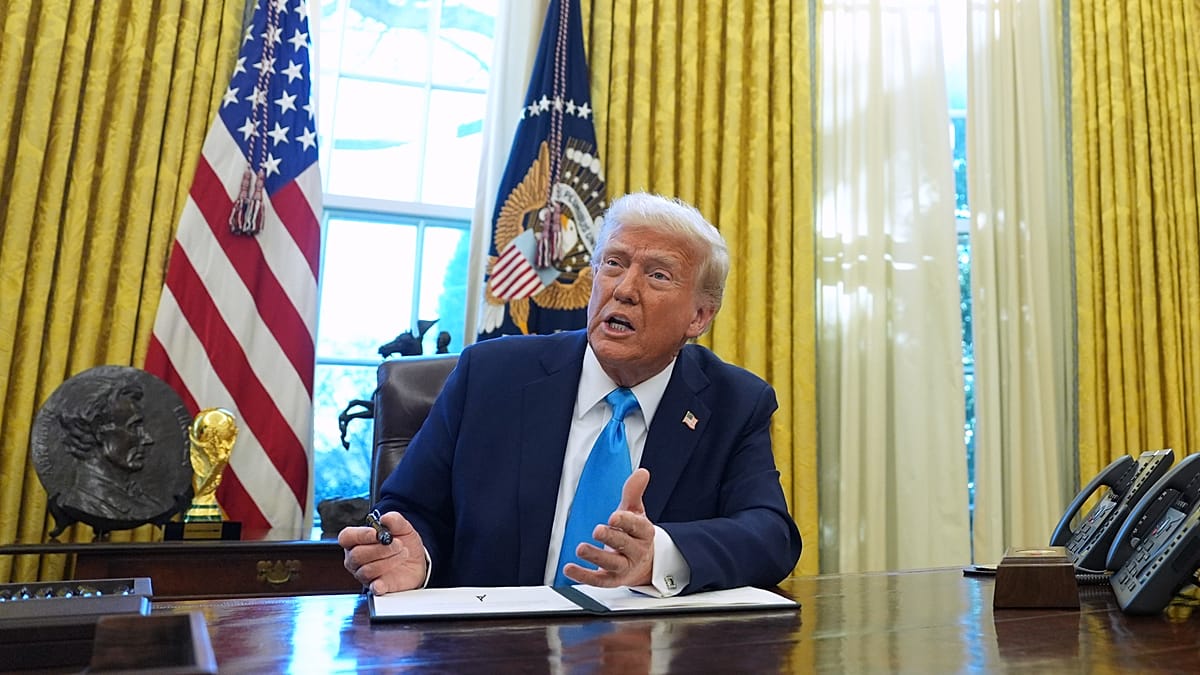
US President Donald Trump has announced that Washington is negotiating a "massive" purchase of potash from Belarus, a move that would directly challenge Canada's dominance in the American fertilizer market. In a social media post, Trump argued that the potassium-rich salt from Belarus would cost "substantially less than we are currently paying to Canada," a country with which he has escalated a trade war.
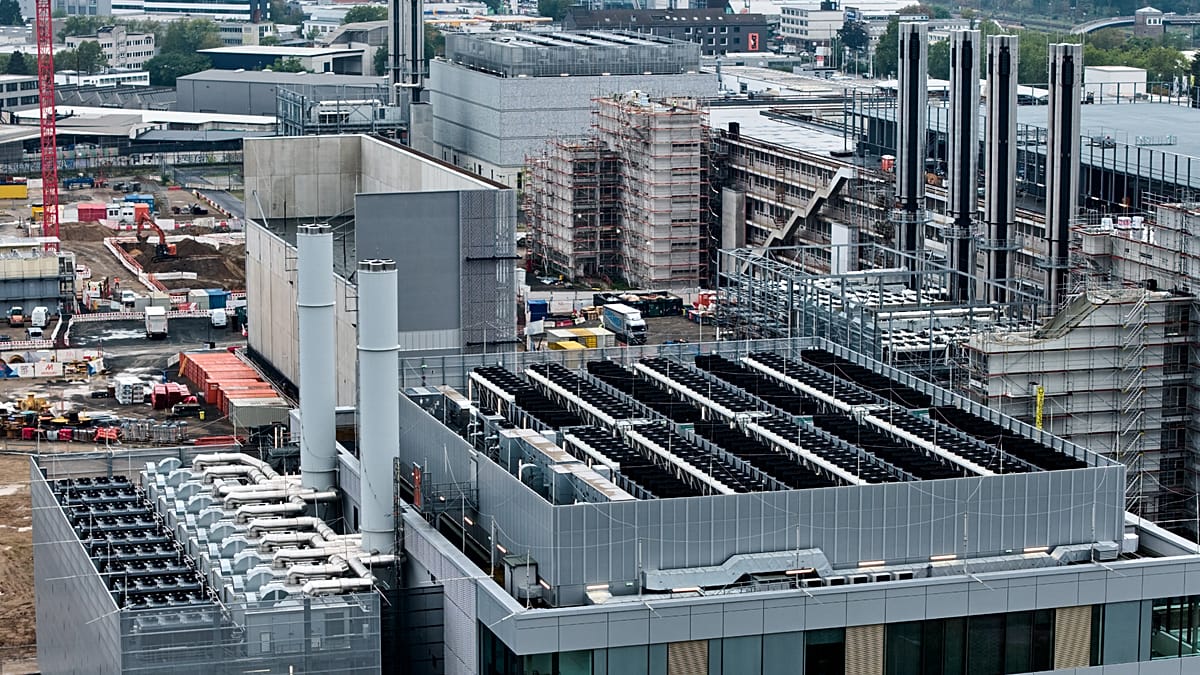
Potash, a key ingredient in fertilizers, is essential for crop yields, and Canada currently supplies the majority of what American farmers use. Belarus, one of the world's largest producers, has been under EU sanctions since 2021, with imports of its potash banned and assets of the state producer Belaruskali frozen. The EU's restrictions were imposed in response to the brutal crackdown on peaceful protests following the disputed 2020 presidential election and have been extended due to Minsk's support for Russia's war in Ukraine.
The announcement is the latest sign of a thaw in relations between Washington and Minsk. US envoy John Coale has been leading talks that have seen Belarusian President Alexander Lukashenko pardon hundreds of political prisoners in exchange for the easing of US sanctions on Belarusian firms, including the potash industry. This diplomatic opening has raised concerns in Brussels, where officials fear that Washington's willingness to engage with Lukashenko undermines the EU's efforts to isolate his regime.
European implications and transatlantic friction
The potential US-Belarus potash deal comes at a delicate moment for transatlantic trade relations. The EU and Canada have been deepening their economic ties, with recent discussions on the unratified CETA pact and even talk of Canada's possible 'associate membership' in the EU. A US move to source potash from Belarus could be seen as an attempt to drive a wedge between Ottawa and Washington, while also testing the EU's resolve on sanctions.
For European farmers, the implications are less direct but still significant. If the US begins importing Belarusian potash, it could alter global fertilizer prices and supply chains, affecting European agricultural markets. The EU's own sanctions on Belarusian potash have already disrupted trade flows, and a US exception could create a loophole that Minsk might exploit.
Lukashenko, who has ruled Belarus since 1994, has long been a pariah in Europe. His regime's support for Russia's invasion of Ukraine, including allowing Russian troops to stage operations from Belarusian territory, has led to further EU sanctions. The recent US sanctions bill targeting Russian energy revenues shows that Washington is still willing to pressure Moscow, but the Belarus potash deal suggests a more pragmatic approach to Minsk.
Trump's announcement has been met with skepticism in some quarters. Critics argue that buying potash from Belarus would reward a repressive regime and undermine the international consensus against Lukashenko. Others point out that the US has its own domestic potash production, though it is insufficient to meet demand, and that Canadian supplies are reliable and high-quality.
The deal is not yet finalized, and it remains unclear how it would be structured given the existing US sanctions on Belarus. However, the fact that Trump is publicly promoting it signals a significant shift in US policy. For Europe, the move is a reminder that the transatlantic alliance is not monolithic, and that Washington's priorities can diverge sharply from those of Brussels.
As the situation develops, European leaders will be watching closely. The EU has invested heavily in sanctions against Belarus, and any US move to undercut them could strain relations. At the same time, the bloc is keen to maintain a united front with the US on broader issues, such as countering Russian aggression. The potash deal, if it goes through, will test that unity.