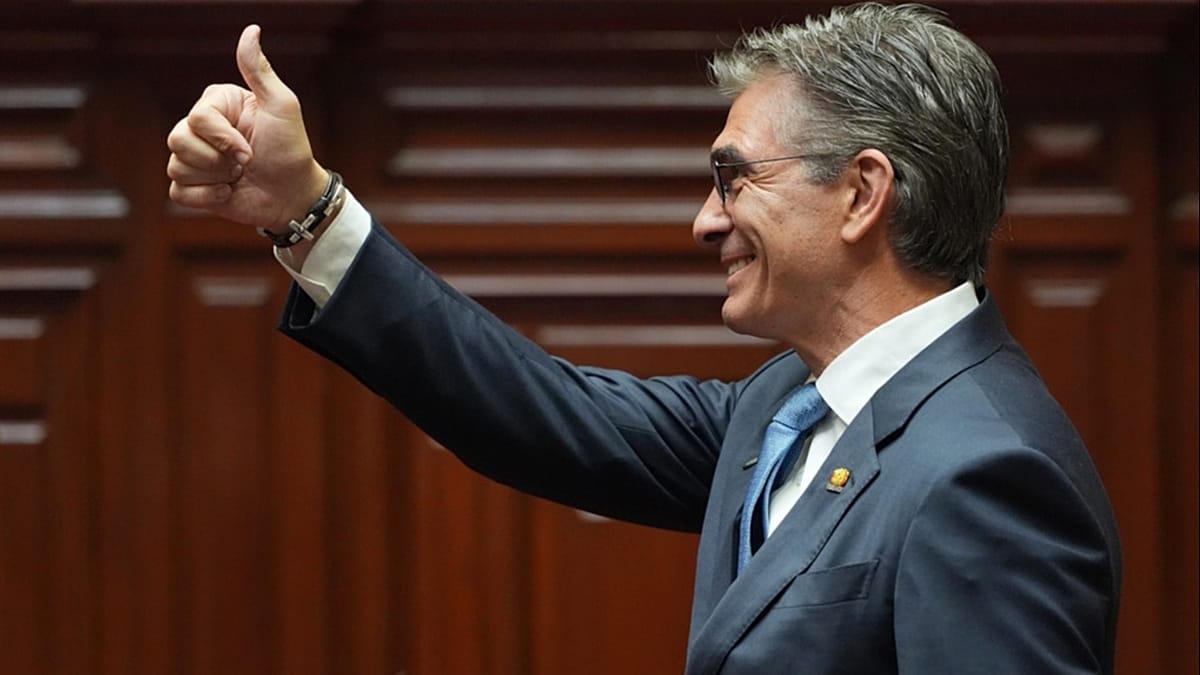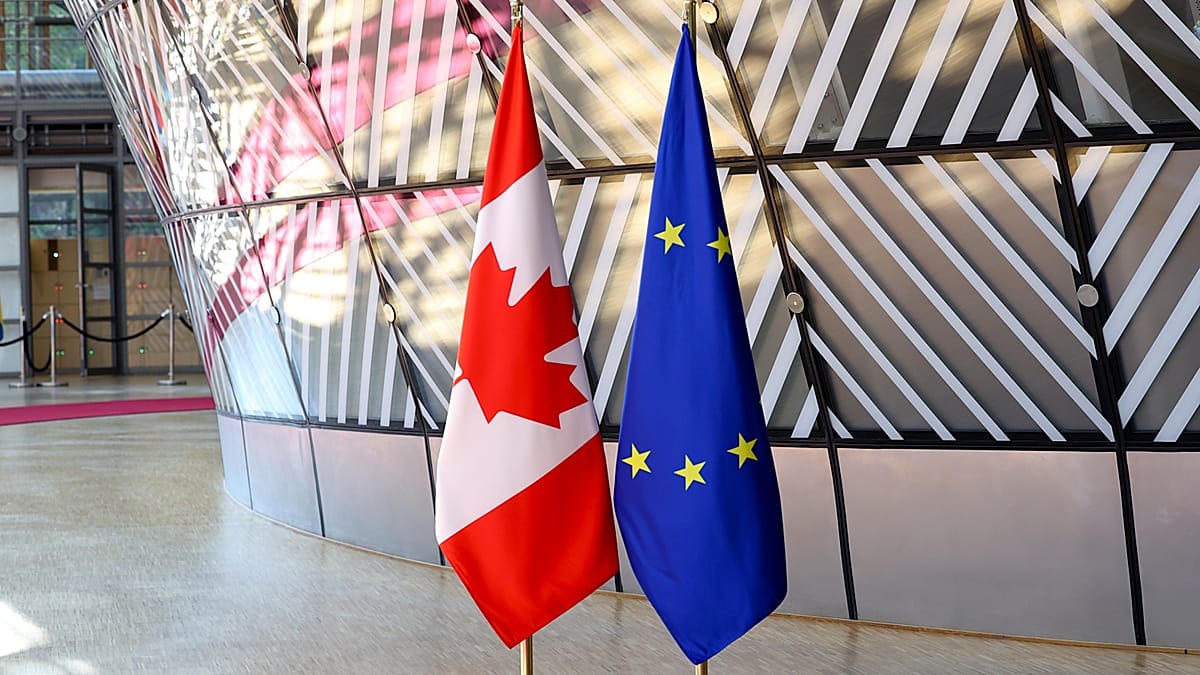
When Ursula von der Leyen stood before the European Parliament in Strasbourg and invited Canada to become the EU's first-ever "associate member," the proposal landed like a thunderclap. Within 24 hours, Canadian Prime Minister Mark Carney was at the same lectern, welcoming the offer and speaking of an "alliance for the future." The back-to-back speeches made headlines from Ottawa to Berlin, drew a dismissive quip from Donald Trump, and left diplomats and legal scholars scrambling for a playbook that does not exist.
The concept of associate membership is not written into the EU treaties. There is no article that defines it, no procedure to trigger it, and no precedent to follow. The closest legal hook is Article 217 of the Treaty on the Functioning of the European Union, which allows the Union to conclude association agreements with third countries involving "reciprocal rights and obligations, common action and special procedure." Whether that provision can be stretched to cover a bespoke, quasi-membership status is an open question. Commission officials insist the idea can be built from scratch without reopening the treaties, a path they consider perilous and politically unviable.
The proposal has a recent, if awkward, cousin. Earlier this year, German Chancellor Friedrich Merz floated a similar "associate membership" for Ukraine, suggesting observer status in EU decision-making bodies, gradual access to certain programmes, and mutual defence commitments. Kyiv was unimpressed, fearing the half-in, half-out arrangement would trap it in accession limbo. Brussels argues von der Leyen's vision is fundamentally different because it is aimed at countries outside Europe's geographic sphere that want deeper political and economic ties without the baggage of enlargement.
Carney was quick to draw that line. "Canada is not in a position nor seeking to become a full member of the European Union," he said after his speech. "Therefore, it's a different framework." The EU treaties restrict full membership to "any European State," so a transatlantic nation like Canada would never qualify. Accession is a gruelling process that requires adopting thousands of EU laws, aligning with the bloc's standards, and securing unanimous approval from all 27 member states. Ottawa and Brussels want something faster and more flexible.
Yet the idea has clearly captured the public imagination. A poll conducted just before Carney's trip to Strasbourg found that 49% of Canadians would support full EU membership. That figure startled officials on both sides of the Atlantic and underscored the political weight of the moment.
What's in a name?
Despite the headlines, Carney did not actually endorse the term "associate member." He stuck to his own coinage, "alliance for the future," which he considers less politically charged. "President von der Leyen used both terms," he noted. "The nomenclature, the precise nomenclature, is a question for Europe. What matters is the substance."
For Carney, the word "membership" carries connotations of ceding sovereignty to Brussels, something he has ruled out categorically. "We are looking for partnerships that are complementary, that reinforce our sovereignty," he said. "Canadians are united that nobody is going to tell us what language we speak. No one is going to dictate our culture or with whom we can strike international agreements." EU officials have brushed off the semantic clash, treating the alliance as the immediate deliverable and associate membership as the long-term horizon.
The legal and institutional details remain hazy. The European Commission has not yet said which department will lead the work, though the Secretariat-General and DG Trade are the most likely candidates. A senior official described it as a "whole-of-government approach," suggesting the project will cut across multiple directorates. On the Canadian side, Carney has promised a transparent process: parliamentary debates, committee hearings, and a final vote in the House of Commons on the structure of the alliance.
The proposal has also stirred political friction in Canada. The Conservative opposition accused Carney of seeking deeper EU ties without an electoral mandate. Carney countered that negotiations are still in their infancy and that no final agreement will be signed without parliamentary approval.
What remains unknown is how the EU will navigate its own legislative machinery. The Commission would need to draft a mandate, secure the backing of the Council, and likely involve the European Parliament. None of that has been set in motion yet. The idea of associate membership may also have ripple effects beyond Canada. Australia has already cooled on the concept, preferring to focus on a traditional trade deal. And the broader context of Trump's pressure on transatlantic ties has given the proposal an urgency that might otherwise be lacking.
For now, the "alliance for the future" is a declaration of intent, not a finished product. The coming months will reveal whether Brussels and Ottawa can turn a catchy phrase into a workable framework, or whether it will join the long list of grand ideas that foundered on the rocks of EU procedure.