More than eighty health and environmental organisations from across the globe have called on the World Health Organization to revise its decades-old guideline for nitrate levels in drinking water, arguing that the current standard fails to reflect modern scientific understanding of the risks.
In an open letter delivered on Tuesday, the groups—including Greenpeace International, the World Organization of Family Doctors (WONCA), and the European Environmental Bureau—urged the UN agency to include nitrate in its upcoming review of drinking water quality guidelines. The letter was timed to coincide with WHO's annual One Health Day, which highlights the interconnections between human, animal, and environmental health.
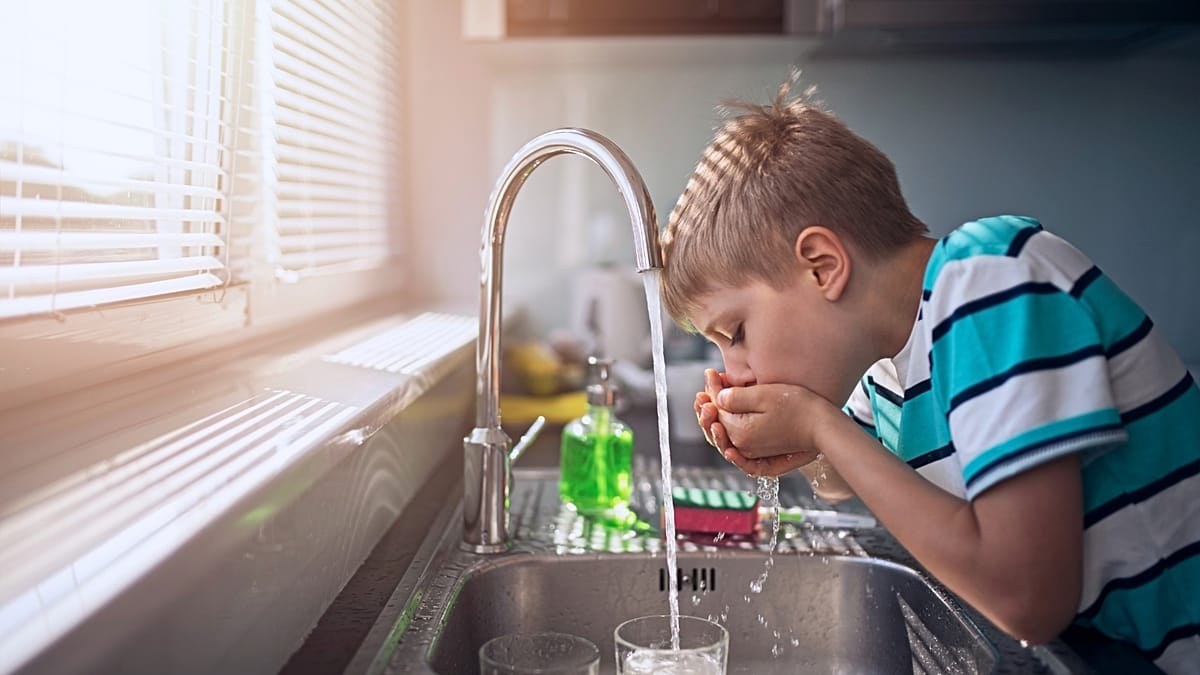
Nitrates and nitrites are nitrogen-and-oxygen compounds that occur naturally in soil, water, and many foods, and are also used as preservatives. But human activities—particularly intensive agriculture, manure runoff, and faulty septic systems—can push nitrate concentrations in water to levels that pose a threat to human health, especially for infants and pregnant women.
“Water should be life-giving, not life-threatening,” said Amanda Larsson, global project lead for agriculture at Greenpeace, in a statement accompanying the letter.
A standard frozen in 1958
The current WHO guideline sets a maximum acceptable nitrate concentration of 50 milligrammes per litre (mg/L) as nitrate, or 11.3 mg/L as nitrate-nitrogen. That figure was established in 1958, specifically to prevent “blue-baby syndrome,” a potentially fatal condition in which nitrate interferes with the blood's ability to carry oxygen.
But the organisations argue that the limit has not been updated in light of robust epidemiological evidence linking chronic, low-level nitrate exposure to long-term health problems. The letter cites in particular colorectal cancer and adverse birth outcomes, including premature birth.
“Studies now link nitrate in drinking water, at levels well below the current WHO limit, to bowel cancer and premature birth,” said Pratyush Kumar, chair of WONCA, in a joint statement.
Denmark moves ahead
The groups point to a 2024 expert panel commissioned by the Danish government, which concluded that the international standard was inadequate to protect public health. That panel recommended lowering the nitrate limit to 6.0 mg/L—a level Denmark has committed to adopt, though no implementation deadline has been set.
“This regulatory shift creates a misalignment between global guidelines and national health policies,” the organisations wrote, stressing that most national governments base their drinking water standards on WHO guidelines. Updating those guidelines, they argue, is “vital for global policy reform.”
The call comes as European countries grapple with nitrate pollution from agriculture. In regions such as Brittany in France and the Po Valley in Italy, groundwater contamination has forced costly treatment measures. Meanwhile, the European Commission has repeatedly taken member states to court over failures to meet the EU's Nitrates Directive.
“Governments must take decisive action to curb the growth of intensive livestock farming and actively support producers in transitioning to ecological farming practices—ensuring that clean, safe drinking water isn't a luxury but a guarantee,” said Larsson.
The WHO has not yet responded publicly to the letter. Its next revision of the Guidelines for Drinking-water Quality is expected to begin within the next two years.