German industrial production unexpectedly rose in September, driven by a strong rebound in car manufacturing, according to data released on Friday by the federal statistics agency, Destatis. The 0.7% month-on-month increase followed a revised 1% gain in August and left output 0.4% higher than a year earlier. Economists polled by Reuters had forecast no change.
The upbeat figures come as Europe's largest economy struggles to regain momentum after a contraction in 2023 and stagnation in 2024. Weak export demand, intense competition from Chinese manufacturers, and structural problems have weighed on the industrial sector. Yet the latest data suggest that some of the worst fears have not materialised.
Car production leads the way
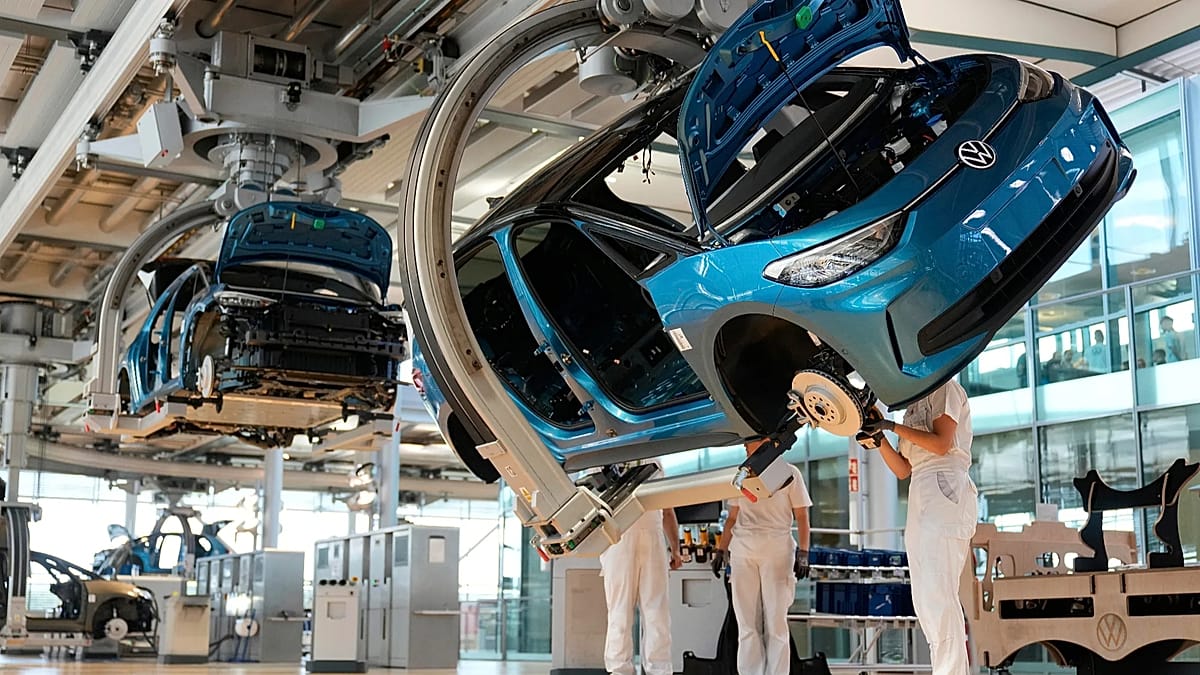
Car production jumped 17.1% from the previous month, recovering from two weak months when factory holidays and production line changes had held back output. The rebound is a welcome sign for an industry that faces pressure from rising costs and the shift to electric vehicles. German carmakers are also contending with a growing Chinese presence in both domestic and global markets.
Pharmaceutical output also rose by 8% in September, providing an additional boost. However, construction output fell 2.6%, and machinery and equipment production dropped 6.5%, according to Destatis. Excluding energy and construction, industrial production rose 1.7% on the month.
The economy ministry said the September increase offset the sharp decline seen in mid-year. Still, industrial output fell 0.4% in the third quarter compared with the second, underscoring the fragility of the recovery.
Resilience despite headwinds
Carsten Brzeski, global head of macro at ING, noted that supply chain disruptions linked to the Iran war and low river levels over the summer had so far caused less damage to German industry than feared. He described the rebound as gradual and said a strong recovery was still some way off.
High energy prices and elevated interest rates remain key risks, Brzeski added. However, Thursday's rise in new orders and a slight decline in inventories point to modest growth in industrial output in the near term.
The German government expects the economy to grow by 1.3% in 2026, its fastest pace in several years, helped by increased public spending on defence and infrastructure. That optimism, however, depends on a sustained improvement in the industrial sector, which remains the backbone of the German economy.
While the September data offer some relief, analysts caution that the underlying challenges are far from resolved. The automotive industry, in particular, is undergoing a profound transformation, and the competition from China is intensifying. As inflation dynamics across the eurozone remain uneven, Germany's industrial performance will be closely watched in the coming months.
For now, the rebound in car production provides a glimmer of hope, but as Brzeski put it, a robust recovery is still not in sight.