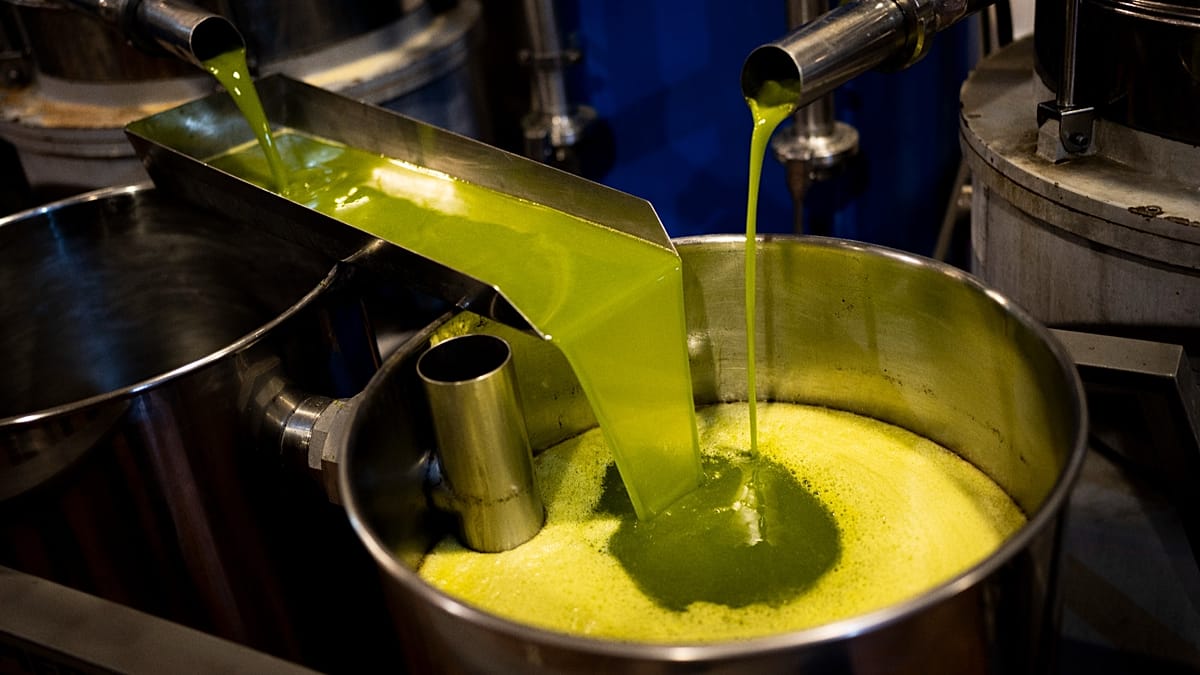
Spain, the world's largest olive oil producer, has taken the unprecedented step of ordering mills to store a portion of their output in a bid to stabilise falling producer prices. The measure, published in the Official State Gazette (BOE) on Friday, requires mills to withhold 12% of the oil they report producing each month, starting from November 2026.
The stored oil must remain off the market until 30 September 2027, the end of the current season. Mills can keep the oil at their own facilities or at third-party sites, according to the Directorate-General for Agricultural Production and Markets. The rule applies only to output reported from November onwards; production from October and earlier months is exempt.
Why now?
The decision comes as Spain anticipates a strong harvest and already holds substantial stocks. According to the government resolution, opening stocks stood at 357,040 tonnes, with forecast production reaching 1,602,596 tonnes. That combined supply is expected to push producer prices down further, a trend already visible in the market.
In early November, Spanish producers were receiving around €3 per kilo for extra virgin olive oil, down from roughly €4 a kilo a year earlier, as reported by El País. The government is authorised to intervene when opening stocks and forecast output together exceed the average of the previous six seasons by at least 20%. This season's figures met that threshold, prompting the agriculture ministry to estimate that about 188,000 tonnes will be taken off the market.
Spain accounts for approximately 45% of global olive oil production and 70% of EU production, according to its agriculture ministry, though these shares fluctuate with each harvest. The country is also the world's leading exporter of olive oil.
The price surge seen in recent years, driven by drought and heatwaves that decimated harvests, has now reversed as production recovers. The intervention is designed to prevent a sharp drop in producer incomes, which could have long-term consequences for the sector.
Consolidation in the sector
The government's move coincides with a major corporate deal that would bring together three of Spain's biggest olive oil names. Dcoop and Acesur, two Spanish companies, have agreed to acquire Deoleo Holding, a subsidiary of the listed olive oil group Deoleo. Deoleo describes itself as the world's largest branded olive oil company, owning well-known brands such as Carbonell and Hojiblanca.
The deal values all of Deoleo Holding at €520 million, including debt. It covers a 91.99% stake, including Deoleo's entire 50.99% holding. If remaining shareholders join the sale as expected, the buyers could acquire 100%. Acesur said the two buyers plan to take equal stakes. The transaction requires regulatory approvals and a vote by listed Deoleo's shareholders.
This consolidation comes at a time when the European olive oil market is under pressure from volatile prices and changing consumer habits. The storage measure is a rare example of state intervention in the sector, reflecting the strategic importance of olive oil to Spain's agricultural economy and its wider role in the Mediterranean diet.
While the measure is temporary, it signals the government's willingness to act decisively to protect producers. Whether it will be enough to stabilise prices remains to be seen, but it marks a significant moment for the industry.