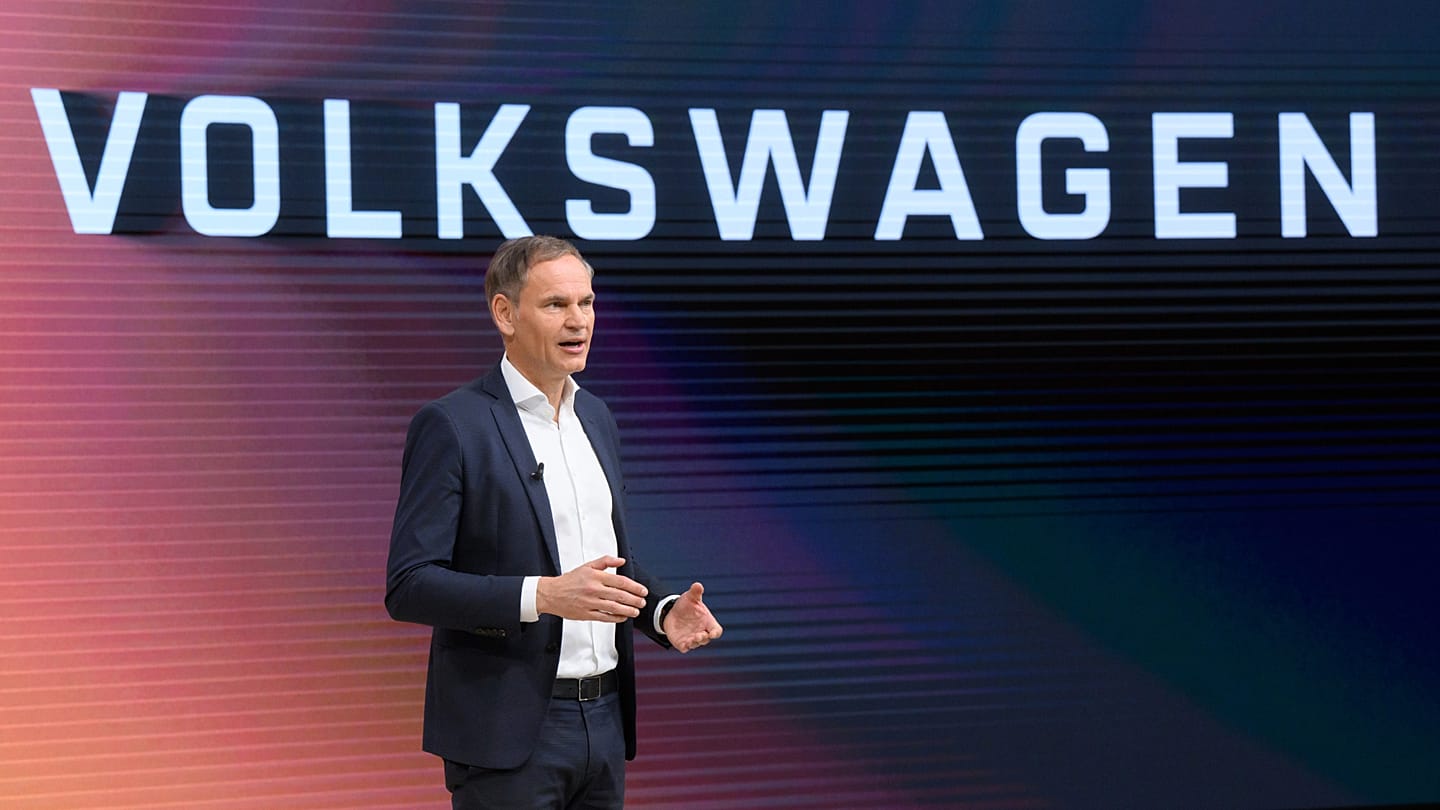
Volkswagen is reportedly preparing the most radical overhaul in its history, with plans to cut up to 100,000 jobs worldwide and close four plants in Germany. The restructuring, first reported by German media, would double earlier estimates of job losses and mark a significant departure from the company's traditional approach to labor relations.
The cuts would affect both production and administrative roles, with the four German plants facing potential closure as the company seeks to reduce costs and streamline operations. Volkswagen has not officially confirmed the reports, but sources close to the matter indicate that the plans are being discussed at the highest levels of management.
Industry Pressures and Strategic Shift
The overhaul comes as Volkswagen faces mounting pressures from the transition to electric vehicles, increased competition from Chinese automakers, and the need to reduce its carbon footprint. The company has been investing heavily in electrification, but the shift has strained its finances and forced a reevaluation of its manufacturing footprint.
Germany's powerful labor unions, which hold significant influence at Volkswagen, are expected to resist the closures. The company's works council has historically negotiated job guarantees, but the scale of the proposed cuts suggests a fundamental change in the company's strategy. This is not just about cost-cutting; it is about redefining Volkswagen's future in a rapidly changing industry.
The potential closures would affect plants in locations such as Wolfsburg, where the company's headquarters are located, as well as other sites in Lower Saxony and Saxony. The regions rely heavily on Volkswagen for employment, and the closures could have significant economic and political repercussions.
Volkswagen's move is part of a broader trend among European automakers, who are grappling with the challenges of electrification and digitalization. The company's struggles are emblematic of the difficulties facing the European automotive industry as a whole, which must balance the need for innovation with the preservation of jobs and industrial capacity.
In response to the reports, the German government has expressed concern, with officials calling for dialogue between management and labor to mitigate the impact on workers. The situation highlights the delicate balance between economic competitiveness and social stability in Europe's largest economy.
Volkswagen's restructuring plans also have implications for the broader European economy. The company is a major employer across the continent, with operations in countries such as Spain, Poland, and the Czech Republic. The job cuts could ripple through supply chains and affect thousands of additional workers.
The news comes as the European Union considers policies to support the transition to electric vehicles, including investments in charging infrastructure and battery production. The bloc's efforts to reduce carbon emissions are driving change in the automotive sector, but the social costs of the transition are becoming increasingly apparent.
Volkswagen's overhaul is a stark reminder that the shift to a greener economy will not be without pain. As the company navigates this transformation, its decisions will be closely watched by policymakers, investors, and workers across Europe.