Vilnius, the capital of Lithuania, came to a standstill on Wednesday after reports of a potential drone incursion triggered a security lockdown that lasted roughly an hour. The incident forced the closure of Vilnius Airport, the evacuation of the Lithuanian parliament, and the relocation of President Gitanas Nausėda and Prime Minister Inga Ruginienė to secure shelters. It was the latest in a series of suspected or confirmed drone breaches across the Baltic region and Finland since the start of the month, heightening tensions along NATO’s eastern flank.
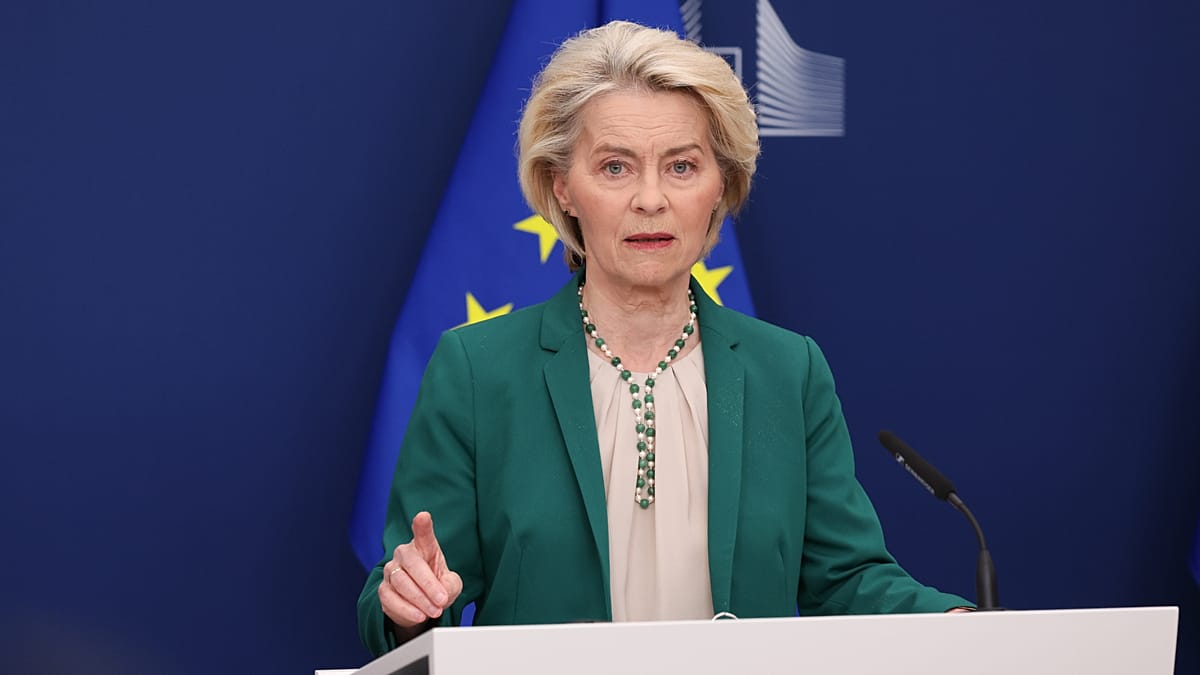
European Commission President Ursula von der Leyen responded swiftly, posting on social media platform X that “Russia’s public threats against our Baltic States are completely unacceptable.” She added: “Russia and Belarus bear direct responsibility for drones endangering the lives and security of people on our Eastern flank. Europe will respond with unity and strength.” Her comments came after a letter circulated by 15 Baltic Members of the European Parliament (MEPs) urged the Commission to condemn Moscow’s actions, describing the provocations as having “reached a critical point.”
A Coordinated Provocation, Say Leaders
Polish Prime Minister Donald Tusk, speaking from Warsaw, characterised the incidents as a “coordinated provocation” and warned that “we can’t pretend that nothing is happening.” Last September, roughly 20 drones entered Polish airspace in an episode Tusk labelled a “direct threat,” squarely blaming Russian President Vladimir Putin. NATO Secretary-General Mark Rutte attributed the recent spate of drone activity to Russia’s “reckless, illegal, full-scale” invasion of Ukraine, which began in 2022, while praising the alliance’s fighter jets for their rapid response. “This is exactly what we planned for,” Rutte said.
Some of the drones involved are Ukrainian in origin, but European officials believe Russia has deliberately diverted them over Baltic airspace to sow confusion and fear. The European Commissioner for Defence, Andrius Kubilius, noted after a separate drone incident in Latvia on Tuesday that Russia is testing new “forms” of pressure on Eastern Flank countries, with the explicit goal of “frightening people of the region.”
The incidents underscore a broader pattern of hybrid warfare that European capitals have struggled to counter. While NATO has scrambled jets and tightened surveillance, the repeated breaches raise questions about the alliance’s ability to protect its airspace from low-cost, hard-to-detect drones. For Lithuania, Latvia, Estonia, and Poland—countries that share borders with Russia or Belarus—the psychological and political impact is acute. Vilnius Airport Shuts and NATO Jets Scrambled After Drone Warning Near Belarus Border details the immediate security response.
Von der Leyen’s pledge of a European response signals that Brussels is moving beyond verbal condemnation. The European Union has already imposed multiple sanctions packages on Russia over its war in Ukraine, but the drone incursions add a new dimension to the conflict. Hungary Signals Shift on EU Sanctions Against Russian Patriarch Kirill highlights the internal divisions that could complicate a unified stance. Meanwhile, the European Commission is under pressure to bolster defence coordination, a theme von der Leyen has championed in her push to complete the single market and cut red tape for competitiveness.
The Baltic MEPs’ letter demanded that Russia “immediately” cease its provocations, but there is little expectation that Moscow will comply. Instead, European officials are bracing for more incidents as the war in Ukraine grinds on. Russia Unleashes Massive Drone and Missile Barrage on Eight Ukrainian Regions illustrates the scale of the aerial campaign that often spills over borders. For now, the response from Brussels and NATO remains one of vigilance and deterrence, but the repeated breaches are testing the limits of that strategy.