Volkswagen's plant in Osnabrück, Lower Saxony, faces an uncertain future as vehicle production is scheduled to cease in 2027, leaving approximately 2,300 employees dependent on a viable follow-up solution. A promising plan to repurpose the facility for manufacturing components of Israel's Iron Dome missile defence system now appears at risk of collapse.
According to the German daily Bild, Israeli defence contractor Rafael Advanced Defense Systems is reportedly exploring the possibility of establishing production of Tamir interceptor missiles in India. This move could sideline the Osnabrück site, which had been in negotiations with Rafael since spring 2024. In April, Rafael signed a memorandum of understanding to produce Iron Dome parts at the Volkswagen plant, as reported by Reuters.
Qatar's Role Complicates Negotiations
The deal has encountered internal resistance within the Volkswagen Group. Bild reports that the Qatar Investment Authority (QIA), one of Volkswagen's largest shareholders with roughly 17% of voting rights and two seats on the supervisory board, harbours reservations about collaborating with the Israeli state-owned company. Reuters confirmed in June, citing sources familiar with the talks, that the Qatari sovereign wealth fund has been complicating negotiations.
This geopolitical friction adds another layer of difficulty to an already complex transition. The Osnabrück plant's future is part of a broader restructuring at Volkswagen, which has warned of significant job cuts and potential plant closures across Germany. The Volkswagen union has warned of a 'major conflict' over plans to cut up to 100,000 jobs.
India Emerges as Alternative Production Hub
Rafael's reported pivot to India aligns with New Delhi's 'Make in India' strategy, which aims to boost domestic defence manufacturing. India has long been a key defence partner for Israel, and Rafael already operates a Tamir missile production line in Arkansas, USA, in partnership with Raytheon. Shifting production to India would diversify Rafael's manufacturing base and tap into a rapidly growing market for defence equipment.
From a European perspective, the potential loss of the Osnabrück contract underscores the continent's challenges in scaling up its own defence industrial capacity. The launch of a European anti-ballistic missile shield coalition by ten nations highlights the urgency, but concrete production plans remain fragmented.
Lower Saxony Considers State Intervention
In a bid to salvage the site, the state of Lower Saxony is reportedly considering taking a direct stake in the Osnabrück plant to facilitate a transition to arms production, according to business magazine Capital. Such a move would be unusual but reflects the high stakes for the regional economy and the broader push for European defence autonomy. A final decision on the plant's future has yet to be announced.
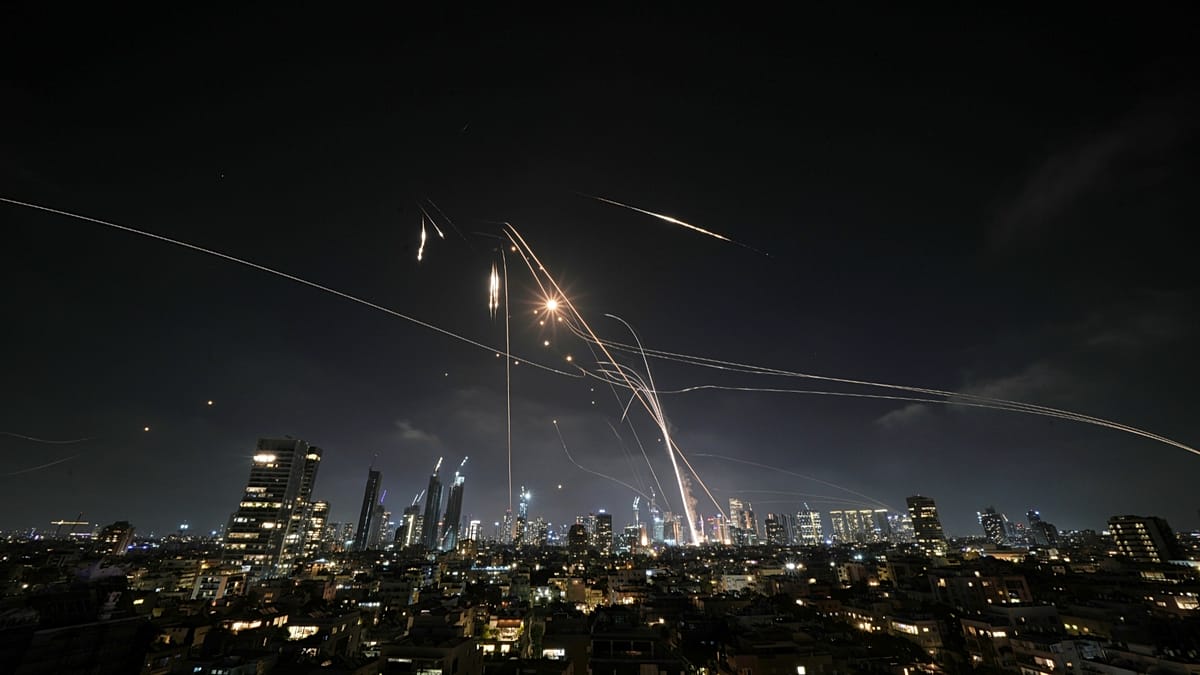
The Iron Dome system has proven its effectiveness in intercepting rockets, and its components are in high demand globally. However, the Osnabrück deal's fate now hangs on whether Rafael can overcome internal and external obstacles. If the missile production moves to India, Volkswagen will need to find an alternative industrial partner quickly—or face the prospect of closing the plant entirely.