In an era when loneliness is increasingly recognized as a public health challenge across Europe, one entrepreneur is betting that the solution lies not in a screen, but on the road. Fabio Bin, co-founder of the social travel company WeRoad, argues that organized group trips can help rebuild the social connections that many Europeans feel they have lost.
Speaking to European Pulse in Cannes after being shortlisted for the European CMO of the Year Award, Bin explained how he turned a personal frustration into a fast-growing business. "I was traveling alone and realized that many people my age wanted to explore the world but didn't have someone to go with," he said. "The loneliness epidemic is real, and travel can be a powerful antidote."
From Personal Frustration to Business Model
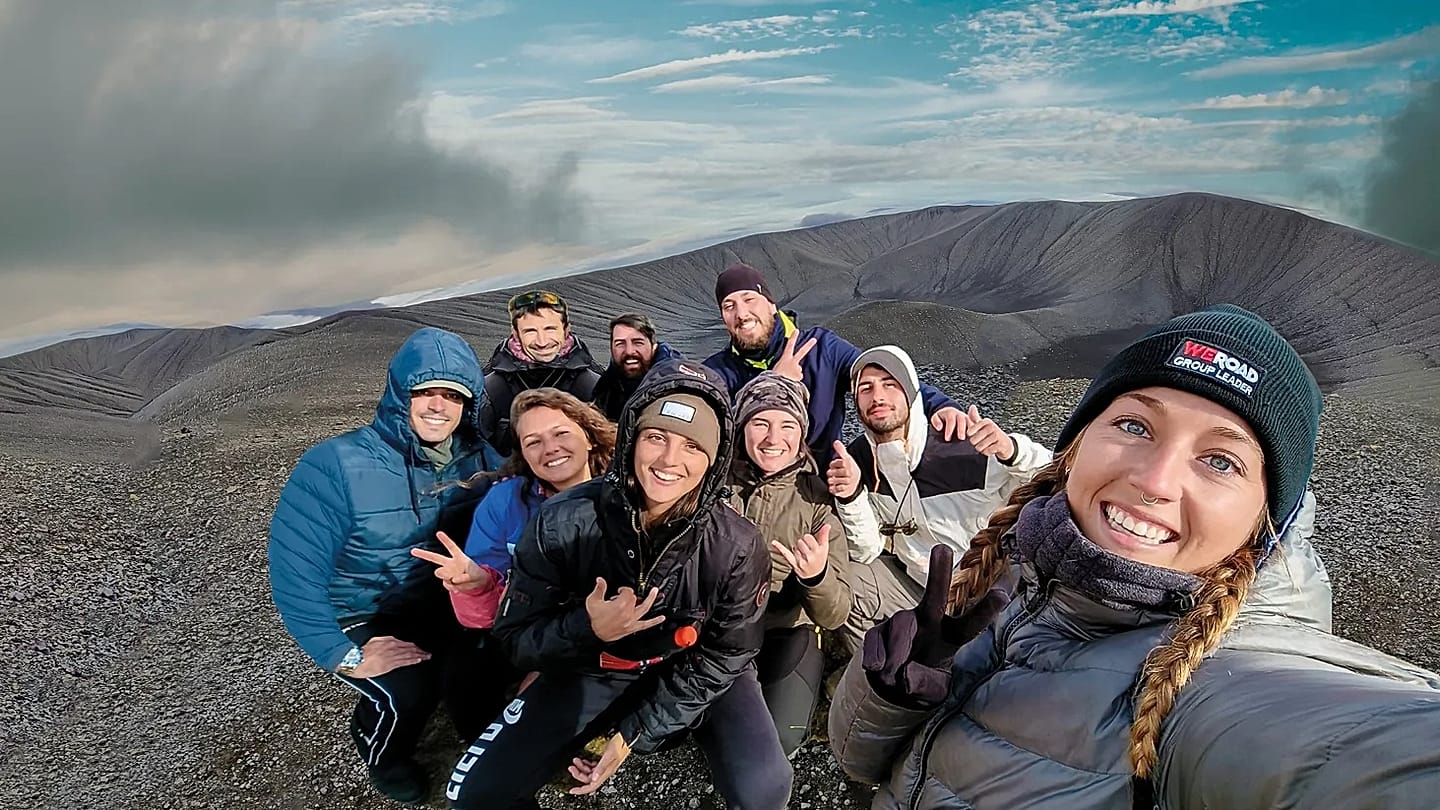
WeRoad, founded in Milan in 2017, organizes group trips for travelers in their 20s and 30s, with a focus on shared experiences rather than solo sightseeing. The company now offers over 500 itineraries across 50 countries, from weekend city breaks to two-week adventures. Bin's insight was that many young Europeans are eager to travel but lack a travel companion, a gap that traditional tour operators often overlook.
The brand's growth has been notable: WeRoad has expanded from Italy to Spain, France, Germany, the United Kingdom, and the Netherlands, with plans to enter more European markets. The company's model relies on a network of "travel coordinators" — young guides who lead groups and foster a sense of community. "It's not just about visiting a place," Bin emphasized. "It's about doing it together."
This approach resonates with a generation that, according to recent studies, reports higher levels of loneliness than previous cohorts. A 2023 Eurofound survey found that one in three young Europeans aged 18–34 felt lonely at least some of the time, a figure that has risen since the pandemic. Bin sees travel as a way to counter this trend. "When you're on a trip with strangers, you have to talk, you have to share, you have to be vulnerable," he said. "That's where real connections happen."
WeRoad's itineraries are designed to encourage interaction: group dinners, shared activities, and free time for exploration. The company also uses a proprietary algorithm to match travelers by age, interests, and travel style, aiming to create cohesive groups. "We're not just selling a flight and a hotel," Bin said. "We're selling a social experience."
The timing of WeRoad's expansion coincides with broader shifts in European travel patterns. As European summer travel in 2026 increasingly favors short breaks and "coolcations," group travel offers a structured yet flexible option for those seeking company. Bin noted that many of his customers are solo travelers who want the security of a group without the rigidity of a traditional package tour.
Bin's recognition at the European CMO of the Year Awards underscores the marketing savvy behind WeRoad's rise. The company has built a strong social media presence, with user-generated content from trips serving as its primary advertising. "Our customers are our best ambassadors," Bin said. "They share their experiences, and that inspires others to join."
Yet the loneliness epidemic is not just a marketing opportunity; it is a societal challenge that policymakers across Europe are grappling with. The United Kingdom appointed a Minister for Loneliness in 2018, and several EU member states have launched initiatives to foster social connection. Bin believes that travel companies have a role to play. "We can't solve loneliness on our own, but we can create spaces where people can meet and form bonds," he said.
As WeRoad looks to the future, Bin is exploring partnerships with mental health organizations and universities to study the impact of group travel on well-being. "We want to measure what we're doing," he said. "If we can show that travel reduces loneliness, that's a powerful message."
For now, the company's growth suggests that many Europeans are eager to embrace his vision. In a continent where digital connections often replace face-to-face ones, WeRoad offers an analog alternative: a bus full of strangers who, by the end of the trip, might just become friends.