The World Health Organization (WHO) has declared the Ebola outbreak in the Democratic Republic of the Congo (DRC) and Uganda a public health emergency of international concern, as the virus continues to spread at an alarming rate. The decision, announced by WHO Director-General Dr Tedros Adhanom Ghebreyesus during the World Health Assembly in Geneva, follows consultations with health ministers from both affected countries.
“I did it in accordance with Article 12 of the International Health Regulations, after consulting the Ministers of Health of both countries, and because I am deeply concerned about the scale and speed of the epidemic,” Tedros said. The outbreak, centred in the eastern province of Ituri, has caused at least 131 deaths and 500 cases, according to Congolese authorities. Two cases, including one death, have also been reported in neighbouring Uganda among individuals who travelled from the DRC.
Factors Driving Concern
Tedros outlined several reasons for the heightened alarm. First, beyond confirmed cases, there is a large number of suspected cases and deaths, which are expected to rise as field operations scale up, including surveillance, contact tracing, and laboratory testing. Second, cases have been reported in densely populated urban areas, including the city of Goma in the DRC and Kampala in Uganda, raising the risk of wider transmission. Third, deaths among health workers indicate healthcare-associated transmission, a worrying sign for infection control.
“There are several factors that make us concerned about the potential for further spread and further deaths,” Tedros said. He noted that significant population movements in the region are compounding these risks.
The WHO emphasised that the outbreak does not meet the criteria of a pandemic emergency like COVID-19 and advised against the closure of international borders. However, the agency’s Emergency Committee will convene to advise on temporary measures to tackle the outbreak.
The Bundibugyo Virus: A Rare and Challenging Strain
The outbreak is caused by the Bundibugyo virus, a less common strain of Ebola that complicates the response due to the lack of specific treatments or vaccines. “There’s nothing even close to ready for clinical trials,” said Dr Celine Gounder, an infectious disease specialist and epidemiologist who treated patients in West Africa during the 2014–2016 Ebola epidemic. “And so that means responders, healthcare workers, and other aid workers are really back to the basics.”
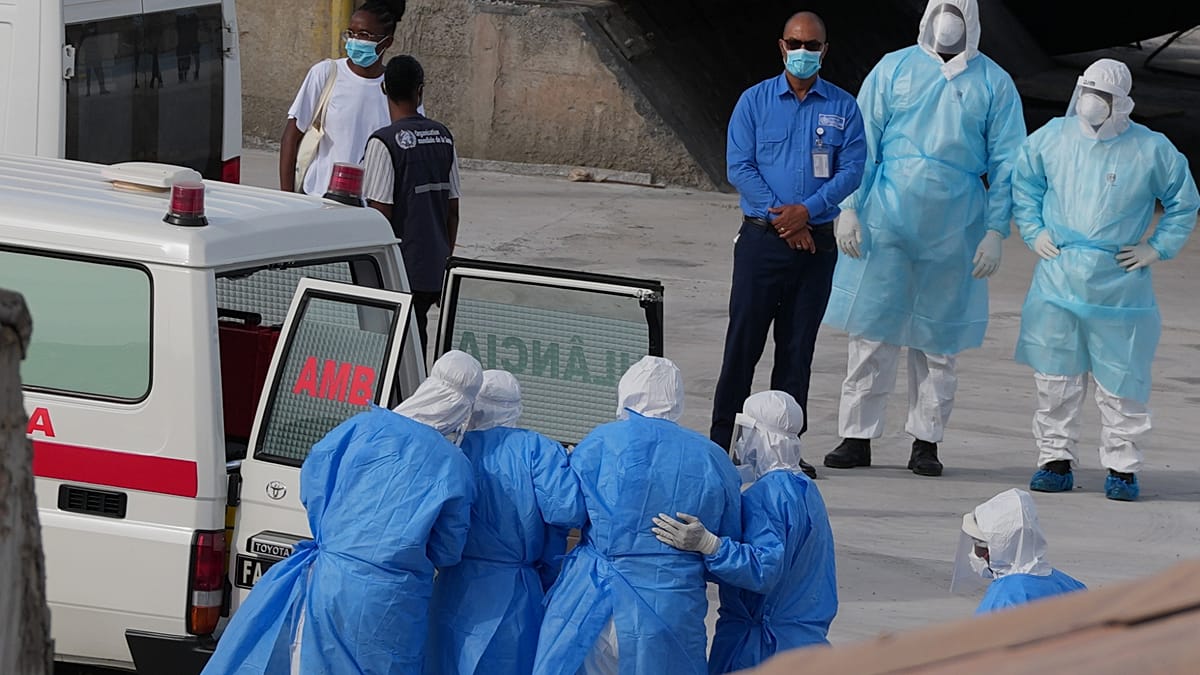
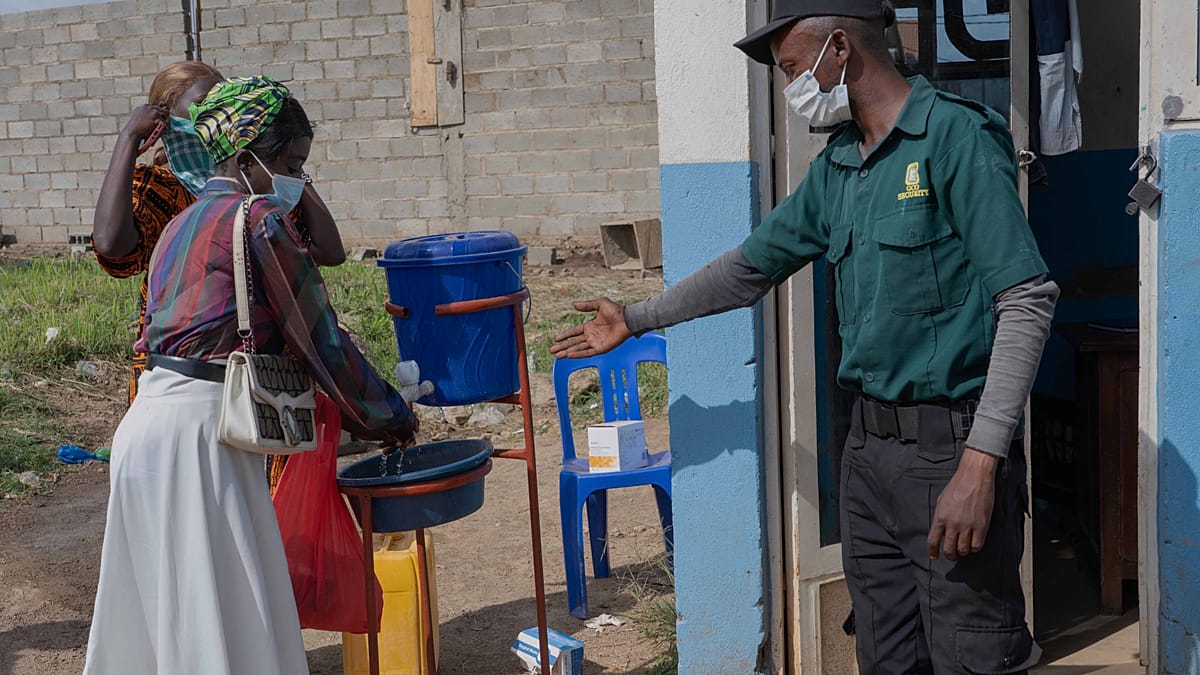
The virus spreads through close contact with bodily fluids of sick or deceased patients, such as sweat, blood, faeces, or vomit. Healthcare workers and family members caring for patients face the highest risk. In the absence of a vaccine, Tedros stressed the importance of other measures: “There are many other measures countries can take to stop the spread of the virus and save lives, even without medical countermeasures, including risk communication and community engagement.”
Outbreak control relies on a range of interventions, including clinical care, surveillance and contact tracing, laboratory services, infection prevention and control in health facilities, safe and dignified burials, vaccination where possible, and social mobilisation.
Slow Detection Delayed Response
Africa Centres for Disease Control and Prevention (Africa CDC) Director-General Dr Jean Kaseya said that slow detection delayed the response and gave the virus time to spread. “This outbreak started in April. So far, we don’t know the index case. It means we don’t know how far is the magnitude of this outbreak,” he said, using a term for the first detectable case of an epidemic.
The earliest known suspected case, a 59-year-old man, developed symptoms on 24 April and died at a hospital in Ituri on 27 April. By the time health authorities were first alerted to the outbreak on social media on 5 May, 50 deaths had already been recorded, the Africa CDC said.
European health authorities are closely monitoring the situation, given the potential for international spread. The European Centre for Disease Prevention and Control (ECDC) has issued risk assessments, and some European countries have implemented screening measures at airports for travellers from affected regions. For context, similar protocols were recently applied during the US Imposes Ebola Screening at Airports as European Medics Head to Africa event, highlighting the continent’s preparedness for such outbreaks.
The WHO’s declaration underscores the urgency of a coordinated international response, particularly as the outbreak unfolds in a region already grappling with conflict and displacement. European Pulse will continue to track developments as they emerge.