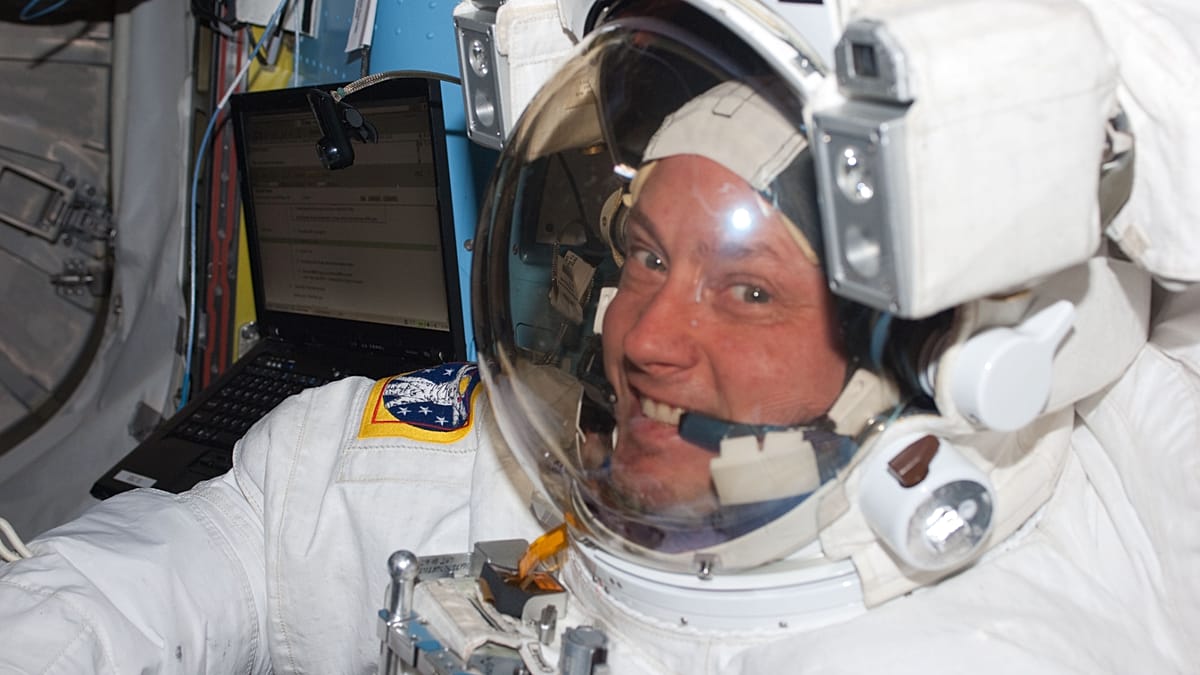
Constipation has long been an uncomfortable reality for astronauts, but the underlying mechanisms have remained elusive. Now, researchers from the University of Copenhagen, in collaboration with NASA, have identified new clues in astronauts' blood that could explain how the gut responds to the absence of gravity.
The study, published in the journal Nature Communications, analyzed blood samples from 52 astronauts who spent months aboard the International Space Station (ISS). The results indicate that within weeks of reaching orbit, the astronauts' gut bacteria began breaking down more protein than usual—a shift that persisted throughout their missions and reversed upon return to Earth.
How microgravity affects digestion
On Earth, food moves through the digestive tract via rhythmic muscle contractions known as peristalsis. In microgravity, however, researchers suspect that this process slows down, allowing food to linger longer in the intestines. When dietary fiber runs out, gut bacteria turn to protein as an alternative energy source, a process called protein fermentation.
This fermentation produces metabolites—small molecules that can enter the bloodstream and travel throughout the body. The team, led by Professor Daniel M. Møller from the University of Copenhagen, found consistent increases in these metabolites across all astronauts, regardless of their mission duration or individual differences.
“The increase in protein fermentation aligns with the idea that microgravity slows intestinal transit, which could contribute to constipation,” said Møller in a press release. “It’s a plausible biological link that we can now test further.”
Beyond the gut: the gut-brain axis
The implications extend beyond digestion. Some protein fermentation metabolites are known to influence the so-called gut-brain axis—the bidirectional communication between the digestive system and the brain. Previous studies have linked these compounds to mood changes and reduced cognitive performance, raising questions about the psychological well-being of astronauts on long-duration missions.
“We’re not saying that protein fermentation causes these effects, but it’s a pathway worth exploring,” added Møller. “If we can understand how the gut changes in space, we might also learn more about conditions like irritable bowel syndrome or the effects of prolonged bed rest on Earth.”
A robust sample size
Spaceflight studies often suffer from small sample sizes, but this analysis pooled data from three separate NASA studies, involving 52 astronauts over several years. Despite variations in missions and individual physiology, the researchers observed a consistent pattern of elevated protein fermentation markers.
The study employed a non-targeted metabolomics approach, scanning a broad spectrum of blood metabolites rather than focusing on a predetermined set. This allowed the team to detect unexpected changes and build a more comprehensive picture of the gut's adaptation to space.
Implications for future missions and Earth-bound patients
As space agencies prepare for longer journeys to the Moon and Mars, maintaining astronaut health becomes paramount. The researchers suggest that dietary interventions—such as increasing fiber intake or using prebiotics—could help support gut motility and reduce protein fermentation during extended missions.
“We’re already thinking about how to design space habitats that support astronaut mental health,” noted Møller, referencing ongoing work in space habitat design. “Gut health is another piece of that puzzle.”
The findings also resonate on Earth. People who are bedridden for long periods often experience constipation, and the same combination of slowed intestinal movement and increased protein fermentation could contribute to their health issues. Understanding these mechanisms might lead to better care for these patients.
“This is a great example of how space research can benefit medicine on the ground,” said Møller. “The more we learn about the gut in extreme environments, the better we can address similar problems in clinical settings.”
The study adds to a growing body of research on how spaceflight affects the human body, from molecular aging pathways to the psychological challenges of isolation. As Europe continues to play a key role in space exploration—with astronauts like Sophie Adenot preparing for missions—understanding these physiological changes is more relevant than ever.