GENEVA — The World Health Organization has sharply revised downward the number of suspected Ebola cases in the Democratic Republic of Congo, confirming 116 suspected and 321 confirmed infections as of 31 May. The previous estimate had exceeded 1,000 cases, but widespread testing has since ruled out the virus in many patients.
Speaking at a press conference in Geneva, WHO spokesperson Christian Lindmeier explained that the reduction stems from systematic laboratory analysis. “They either have other diseases or have just had a fever and nothing else,” he said. The agency also reported 48 deaths and six recoveries so far. Neighbouring Uganda has recorded nine cases and one death linked to the outbreak.
Rare Virus Strain Complicates Containment
The current outbreak is caused by the Bundibugyo virus, a less common strain of Ebola that differs from the Zaire strain responsible for previous large epidemics. Because no targeted vaccines or treatments exist for this variant, health authorities face additional hurdles in containing its spread. The WHO has identified three investigational vaccine candidates as the most promising options currently under development.
On Monday, the Coalition for Epidemic Preparedness Innovations (CEPI) announced it will invest up to €53 million to accelerate development of these vaccines, developed by the International AIDS Vaccine Initiative, Moderna, and the University of Oxford. Manufacturing will take place at the Serum Institute of India. For more on this initiative, see CEPI Fast-Tracks Three Ebola Vaccines as Bundibugyo Outbreak Spreads in Central Africa.
DR Congo’s health ministry has outlined key challenges in the remote region: early detection, rapid isolation of cases, rigorous contact tracing, safe burials, and strengthening infection prevention in health facilities. The outbreak is centred in and around Bunia, a city in the eastern province of Ituri.
Recoveries Offer Hope Amid Crisis
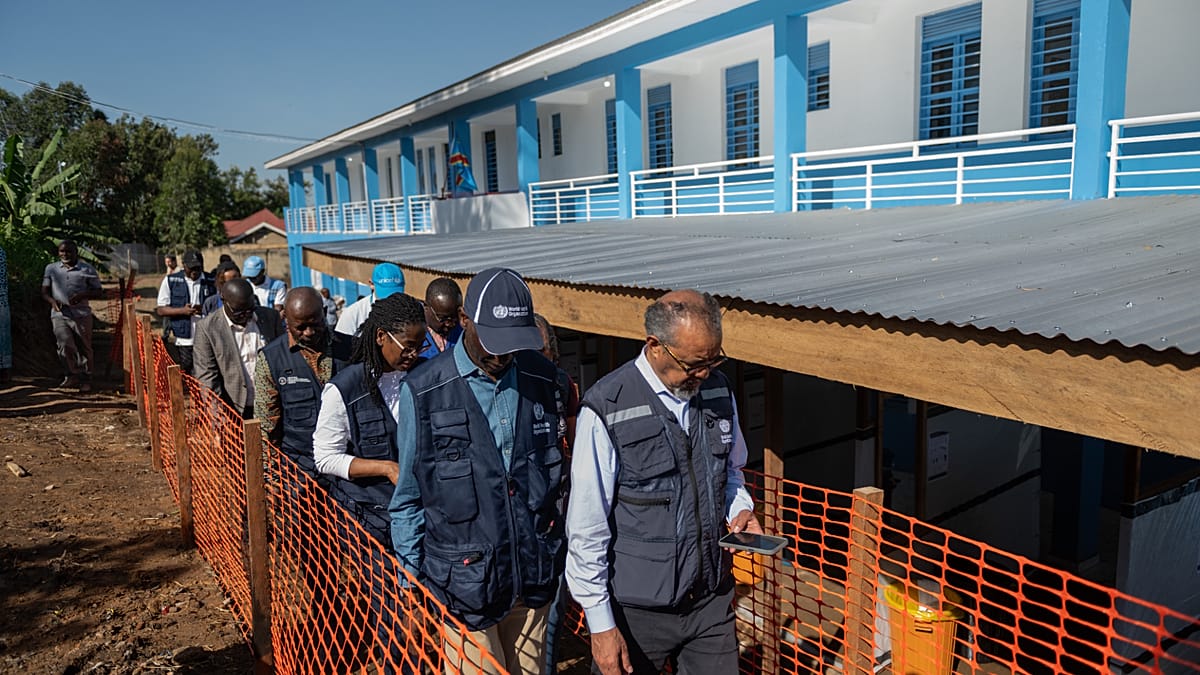
During a visit to Bunia, WHO Director-General Tedros Adhanom Ghebreyesus opened a new Ebola treatment centre and reported that five patients have recovered from the virus. “Four people will be discharged today, and there was one that was discharged the day before yesterday,” Tedros said. “Of course, we’re still working on vaccines and treatments, but that doesn’t mean that people cannot recover from Ebola.”
The revised case numbers underscore the importance of accurate diagnostics in outbreak response. While the reduction is welcome news, the presence of the Bundibugyo virus in a region already strained by conflict and limited healthcare infrastructure means vigilance remains essential. The WHO continues to coordinate with national authorities and international partners to contain the outbreak and prevent further spread across borders.
For context on how European healthcare systems manage infectious disease preparedness, see Europe's Healthcare Waiting Lists: Which Countries Leave Patients Waiting Longest?.