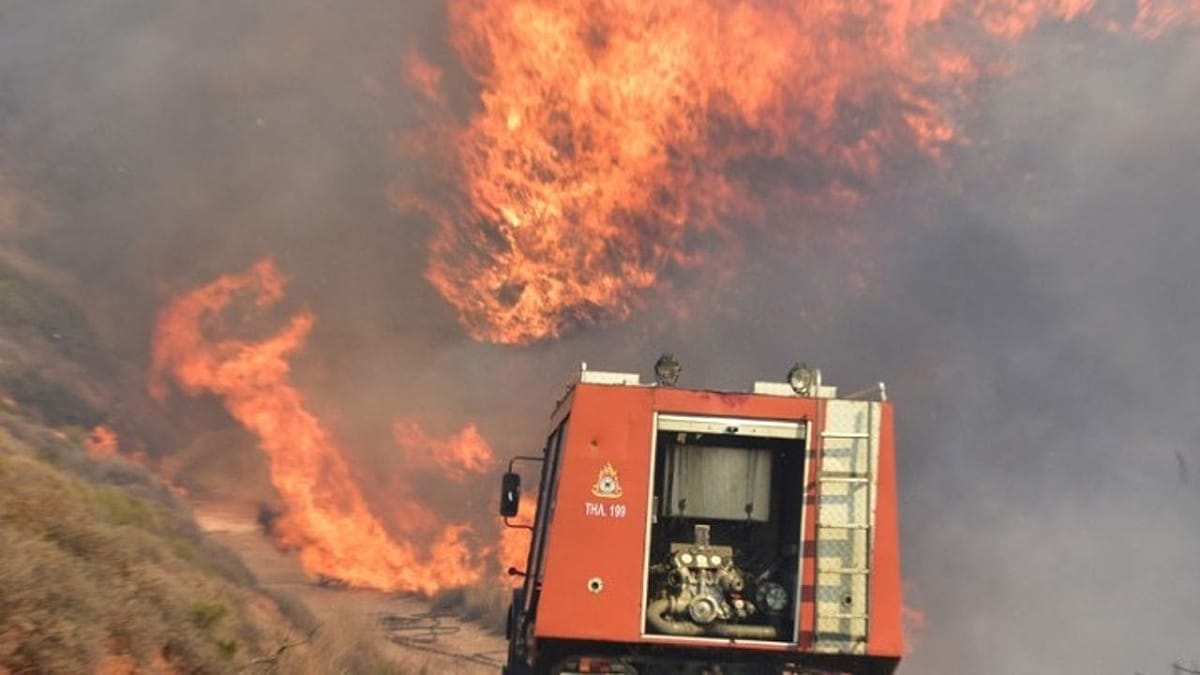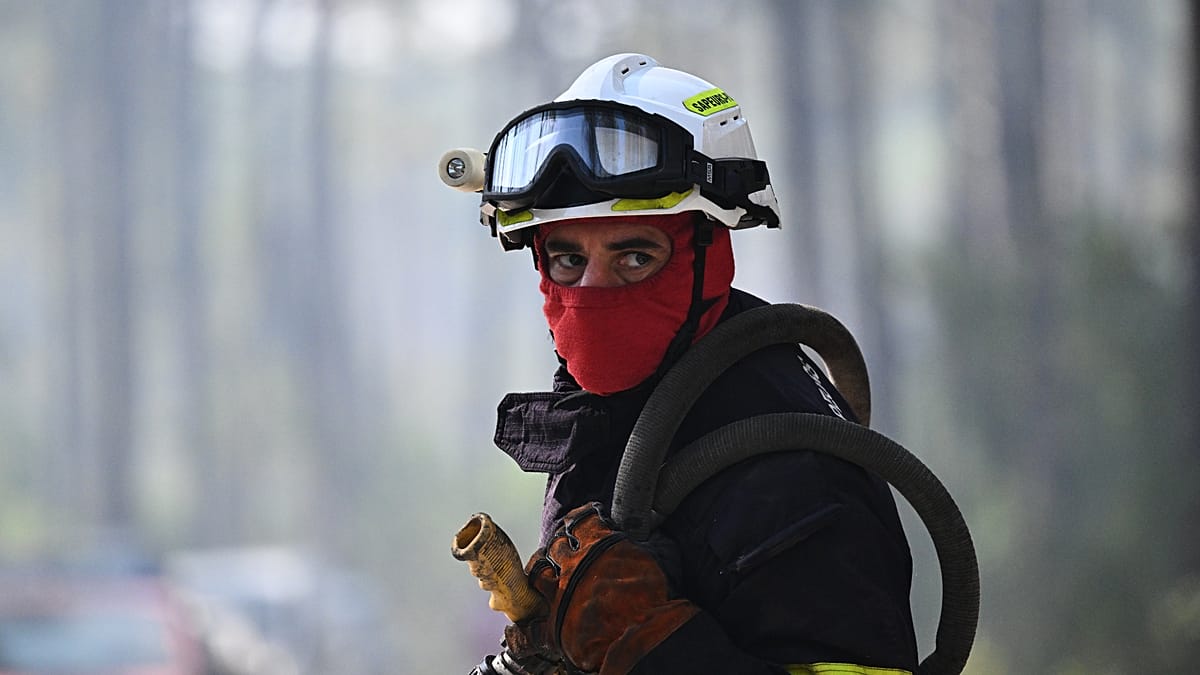
Another summer, another wave of devastating wildfires across southern Europe. In Spain and France, flames have consumed more than 120,000 hectares, forcing hundreds of thousands to flee their homes. The European Union has mobilised firefighting aircraft and personnel from a dozen member states, but the scale and frequency of these blazes are raising uncomfortable questions: is Europe's emergency response system keeping pace with a rapidly changing climate?
European Commission President Ursula von der Leyen expressed solidarity on X, writing that “Europe stands alongside France and Spain in the face of the devastating wildfires ravaging them.” Brussels activated the EU Civil Protection Mechanism, dispatching planes and crews from Czechia, Croatia, Germany, Portugal, Slovakia, Sweden and Türkiye to France, while Greece, Italy and Türkiye sent additional aircraft to Spain. Portugal also contributed personnel and vehicles.
Yet behind the coordinated relief effort lies a deeper structural challenge. At a technical briefing on Monday, Commission officials acknowledged that simultaneous large-scale fires across multiple countries are straining the bloc's common disaster response capacity. They called for stronger preparedness measures.
“This is the chronicle of a situation long foretold,” said Juli Pausas, a research professor at the Centre for Research on Desertification in Valencia. “Once we, as a society, have accepted that we are changing the climate, these fires become part of the new normal; in other words, they are exactly what we expected.”
A fire season out of sync
Wildfires are not new to the Mediterranean, but climate change is rewriting the rules. The European Commission’s Joint Research Centre (JRC) has identified a clear trend: fires are starting earlier, heatwaves are more frequent and intense, and blazes are reaching higher latitudes than historically observed. The traditional June-to-September window is expanding, with major fires now erupting in spring and lingering into autumn.
Brussels has tried to get ahead of the curve. Last year, the Commission unveiled a preparedness strategy focused on early warning systems and better coordination among national authorities. In June, it announced its largest-ever pre-positioning of firefighting resources, deploying 777 firefighters through the European Civil Protection Pool to high-risk areas across southern Europe.
“When every minute counts, being prepared saves lives, protects livelihoods, and preserves our environment,” said Hadja Lahbib, European Commissioner for Equality, Preparedness and Crisis Management, at the time.
But this summer's fires have exposed the limits of that planning. As flames also spread through parts of southern Italy, concerns are mounting that Europe lacks the resources to handle multiple simultaneous emergencies. MEP Georgia Tramacere (S&D/Italy) has called for an emergency meeting of the most affected member states to share lessons and discuss stronger prevention and crisis management.
The political fallout is already visible. In Spain, the centre-left government of Prime Minister Pedro Sánchez has clashed with regional authorities led by the centre-right Popular Party (PP). The most explosive exchange involved Isabel Díaz Ayuso, president of the Madrid region, and Transport Minister Óscar Puente. After Madrid requested national emergency status, Puente accused PP-led regions of cutting fire prevention budgets and criticised their alliances with the far-right Vox party, which has downplayed climate change. Ayuso dismissed the accusations as political attacks.
“Governing with denialists is to leave the population unprotected,” Ecological Transition Minister Sara Aagesen told reporters on Monday.
In France, President Emmanuel Macron has mobilised additional resources as fires ravaged the Gironde region near Bordeaux. Prime Minister Sébastien Lecornu stressed that “the fight against wildfires begins with prevention. Nine out of ten fires are human-caused, and most arise from carelessness.” He also noted that some fires appeared to have been deliberately set.
The blazes have reignited debate over whether France has invested enough in prevention and firefighting capacity. Manuel Bompard, national coordinator of La France Insoumise, criticised the previous government for cuts to civil protection budgets. The economic toll on the Gironde region is already significant, with vineyards and defence-related industries affected.
Across the continent, the message is clear: Europe's fire season is changing faster than its institutions. As climate change fuels unprecedented destruction, the political cost of inaction is rising. Whether in Madrid, Paris or Brussels, the question is no longer whether more fires will come, but whether Europe is ready for them.