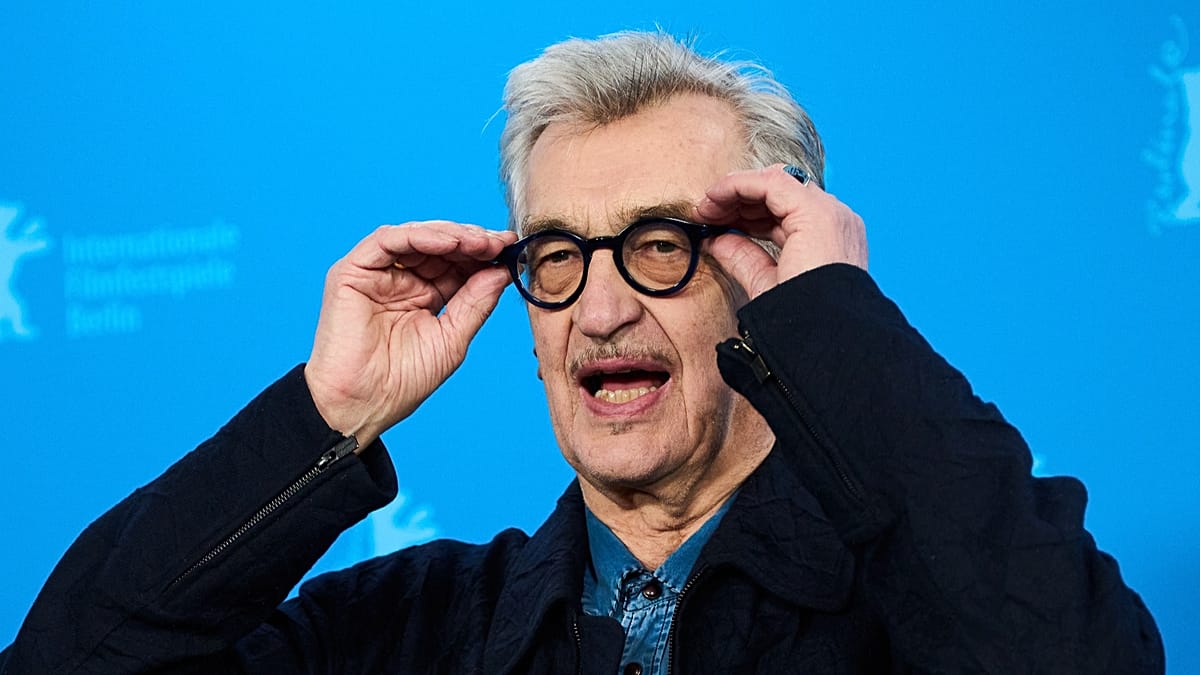
Berlin-based director Wim Wenders has taken the rare step of withdrawing his 1975 film Wrong Move from circulation, following decades of pressure from actress Nastassja Kinski, who appeared topless in the film at age 13. The decision, announced by the Wim Wenders Foundation, instructs streaming platforms, television broadcasters, and distribution partners to cease public access to the film.
Kinski, now 65, told Süddeutsche Zeitung last month that she had spent 15 years unsuccessfully trying to persuade Wenders to alter the film. “That was my first film, he was my first director and he didn't protect me,” she said. “Even though I didn't know much aged 13, I knew that that was not ok.”
A Long-Overdue Apology
Wenders, 80, issued an unreserved apology: “As the only person responsible at the time for 'Wrong Move' who is still here, I recognise that Nastassja Kinski should have been better protected back then. For that, I apologise to you, Nastassja, unreservedly, no ifs and buts.” The Wim Wenders Foundation, which owns the film, said it would seek a broader discussion with German film institutions about industry practices and the film's future. “Only after that process has taken place – even if it takes considerable time – and once we have been able to present a mutually agreed solution, which will include Nastassja Kinski, will we make the film available again,” it stated.
Christian Schertz, Kinski's lawyer, welcomed the move but called it “long overdue.” He added that he regrets “that it has only happened as a result of public pressure” and that “we have to wait to see what (Wender's) offer to dialogue actually consists of.”
Wenders is best known for his award-winning films Wings of Desire, Paris, Texas, Buena Vista Social Club, and Perfect Days. The controversy over Wrong Move echoes broader debates across European cinema about the protection of underage actors, a topic that has gained renewed attention in the wake of the #MeToo movement. In Germany, discussions have intensified around historical films that featured minors in vulnerable situations, with institutions like the Friedrich Wilhelm Murnau Foundation and the German Film Academy re-examining their archives.
The case also highlights the power dynamics between directors and young actors, particularly in the 1970s when legal and ethical safeguards were less stringent. Kinski's public campaign, supported by her lawyer, underscores a growing demand for accountability in the film industry. As the Wim Wenders Foundation seeks dialogue with German film bodies, the outcome may set a precedent for how other controversial works are handled.
For now, Wrong Move remains unavailable, a decision that reflects both a personal reckoning for Wenders and a broader cultural shift in European cinema.