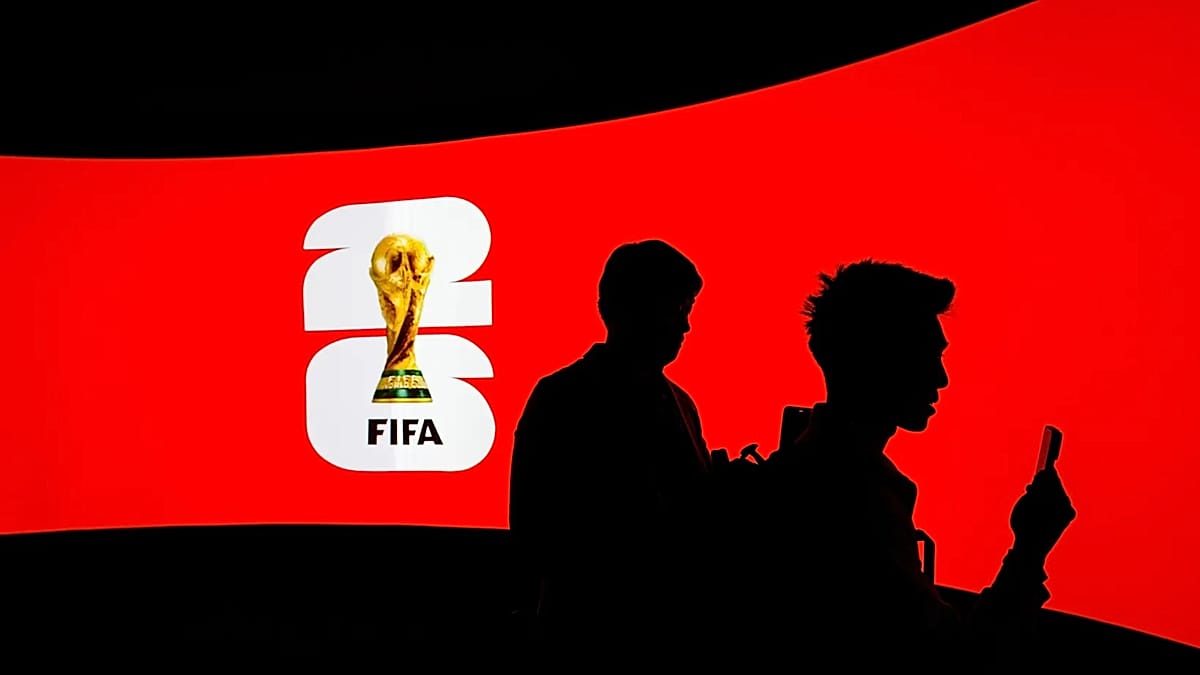
Four tickets for the 2026 World Cup final have appeared on FIFA's official resale marketplace with a price tag of nearly $2.3 million (€1.9 million) each. The seats, located behind a goal in block 124 of the lower deck at MetLife Stadium in East Rutherford, New Jersey, are among the most expensive ever listed for a football match.
FIFA's Resale/Exchange Marketplace allows ticket holders to resell their seats at any price, with the governing body taking a 15% purchase fee from buyers and a 15% resale fee from sellers. In a statement, FIFA defended the model as reflecting 'standard ticket market practices for major sporting and entertainment events across the host countries,' adding that the fees are 'aligned with industry standards across North American sports and entertainment sectors.'
At the other end of the spectrum, the cheapest tickets for the 19 July final were listed at $10,923.85 (€9,332) for four seats in block 323, four rows from the top of the upper deck behind a goal. The vast gulf between the lowest and highest prices underscores the extreme variability of FIFA's dynamic pricing system, which adjusts costs in real time based on demand and availability.
European fan groups cry foul
The pricing has provoked sharp criticism from European supporters' organisations. Football Supporters Europe (FSE) described the current prices as 'extortionate' and accused FIFA of betraying the World Cup's traditions. 'This is a monumental betrayal of the tradition of the World Cup, ignoring the contribution of supporters to the spectacle it is,' the group said in a statement.
FIFA allocates only 8% of tickets to national associations for matches involving their teams, which are sold to the most loyal fans. A list published by the German football federation revealed that group-stage tickets for German matches ranged from $180 to $700 (€153 to €595), while the lowest-priced final ticket was $4,185 (€3,561) and the highest $8,680 (€7,387). These figures contrast sharply with FIFA's earlier promise of $60 (€51) tickets for group-stage games and the $21 (€17) seats that US football officials had targeted when bidding for the tournament seven years ago.
FIFA said in September that tickets released through its website would initially range from $60 for group-stage matches to $6,730 (€5,727) for the final. However, the dynamic pricing model means that prices can spike dramatically as demand surges, leaving many fans priced out.
The governing body argues that its variable pricing approach 'aligns with industry trends across various sports and entertainment sectors, where price adaptations are made to optimise sales and attendance and ensure a fair market value for events.' FIFA also noted that it reinvests World Cup revenue across its 211 member associations to develop the sport globally.
For European fans, the situation is particularly galling given the continent's deep football culture and the expectation of affordable access to the sport's pinnacle event. The 2026 tournament, co-hosted by the United States, Mexico, and Canada, marks the first time the World Cup will be staged primarily outside Europe since 2014, and the pricing model has already sparked debates about accessibility and fairness.
As the resale marketplace continues to operate with minimal oversight, the question remains whether FIFA will intervene to cap prices or whether market forces alone will determine who gets to witness the final in person. For now, the €1.9 million tickets remain available—a stark symbol of the commercialisation of the world's most popular sporting event.