The United Arab Emirates reported an oil spill from a tanker off its coast on Friday, as attacks on shipping in the Gulf continue to escalate in the context of the Iran-US war. The Ministry of Climate Change and Environment said in a statement that authorities had "detected a tanker oil spill affecting Umm Al Quwain's beaches," referring to the emirate north of Dubai.
Cleanup teams were immediately deployed to contain the spill, cordon off affected areas, and begin remediation to limit environmental damage. The ministry added that beaches in the emirate had been closed to the public. Residents across the northern UAE, including parts of Dubai, have reported unusual oil-like smells in recent days, according to social media posts.
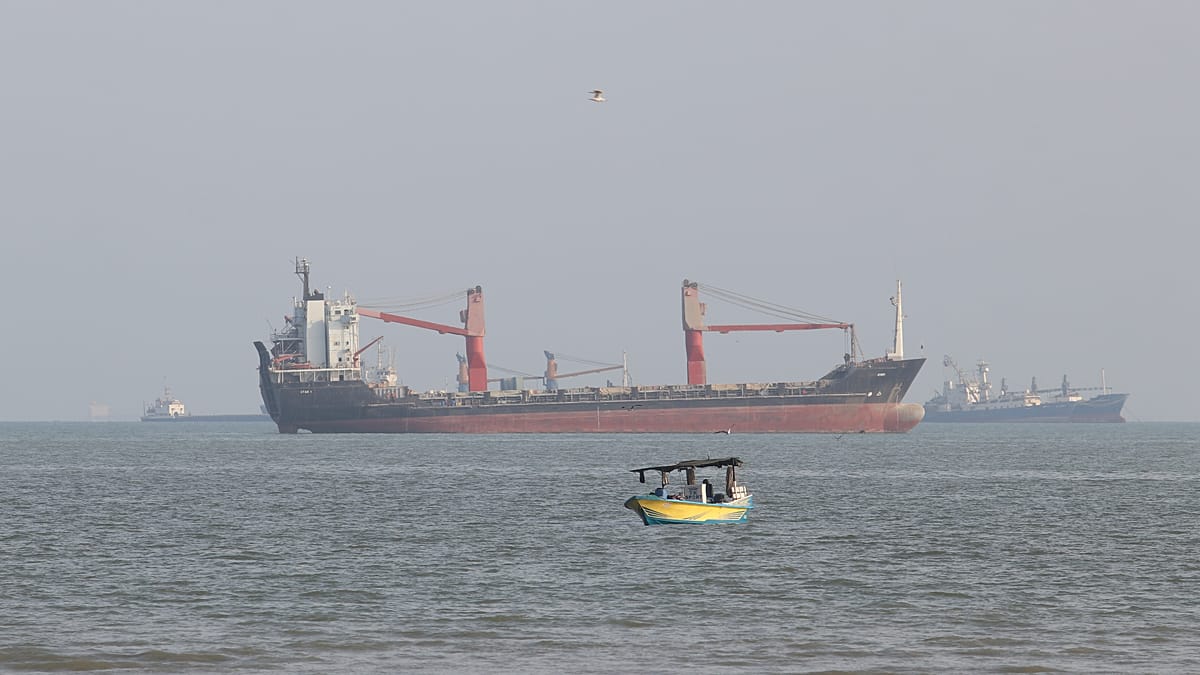
The spill comes days after the UK Maritime Trade Operations (UKMTO) reported that a vessel had been struck by a projectile off the UAE coast on 9 October, causing a fire that was later brought under control. Maritime security firm Vanguard identified the vessel as the oil tanker GEM NO.2, sailing under the Panamanian flag.
Hormuz at the centre of the conflict
The incidents highlight the vulnerability of shipping in the Strait of Hormuz, through which roughly one-fifth of the world's oil passed before the war began with US-Israeli strikes on Iran in late February. Both Tehran and Washington have imposed blockades in the strait, and Iran has repeatedly targeted cargo vessels using the southern section of the waterway.
Earlier this week, Iran's Islamic Revolutionary Guard Corps (IRGC) issued a statement saying it would target tankers attempting to use what Tehran unilaterally designates as an unauthorised route through the strait's southern section, near the Omani coast. Tehran has no recognised authority under international maritime law to restrict or authorise passage through Hormuz, which is subject to the right of transit passage under the UN Convention on the Law of the Sea.
The UAE lies just 40-50 nautical miles from the narrowest point of the Strait of Hormuz, making its coastline particularly exposed to the fallout from maritime incidents. The spill at Umm Al Quwain is a stark reminder of the environmental risks that accompany the ongoing conflict.
European readers may recall that the EU has been closely monitoring the situation, with ministers weighing energy demand cuts as the crisis persists. The bloc's dependence on Gulf oil and gas has made the security of the strait a strategic concern, and the recent attacks have prompted discussions on contingency measures.
Meanwhile, seafarers are increasingly reluctant to transit the region. A recent report highlighted how crews stranded off Pakistan are refusing Hormuz crossings as war risk grows, adding to the logistical challenges facing global shipping.
The environmental impact of the spill could be significant, affecting marine life and coastal ecosystems in a region already under stress from climate change. The UAE's rapid response is aimed at mitigating the damage, but the long-term consequences remain uncertain.
As the conflict shows no signs of abating, the international community, including European nations, is watching closely. The situation underscores the fragility of global energy supply chains and the urgent need for diplomatic solutions to prevent further escalation.