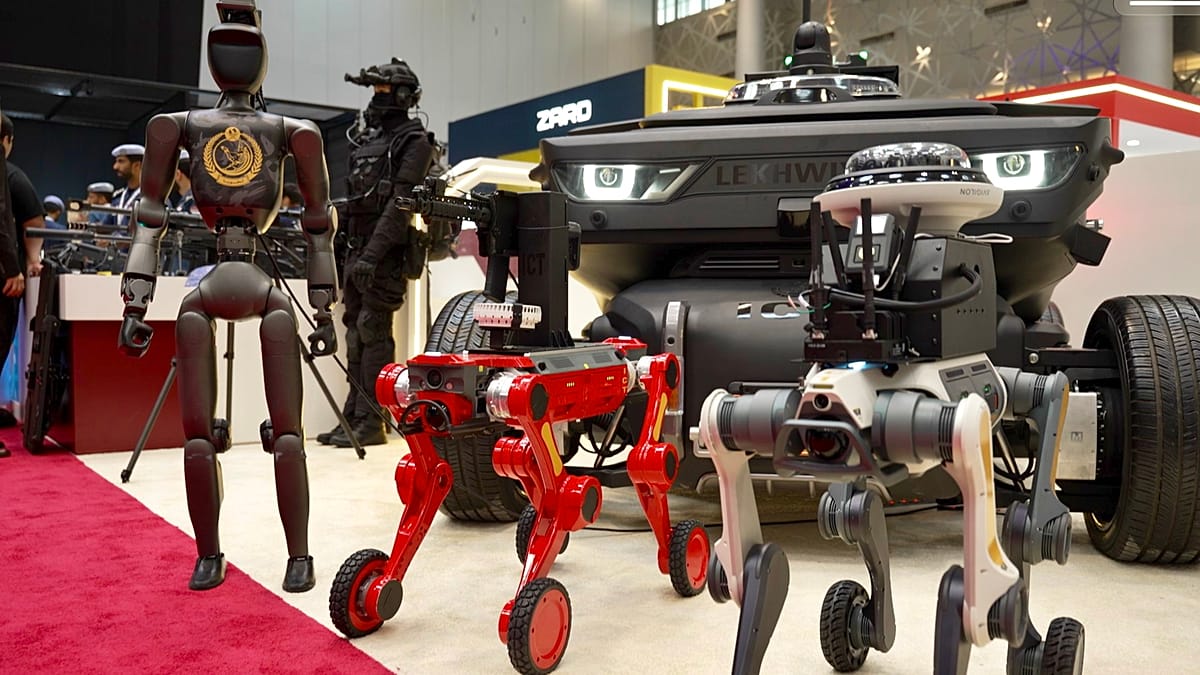
Security firms from 33 countries converged on Doha this week for Milipol Qatar, a three-day exhibition that put drones, robots and artificial intelligence at the centre of discussions about how states should adapt to a more volatile threat environment. The event, which closed on Thursday, covered equipment for policing, emergency response and industrial safety, alongside seminars on cybersecurity and the protection of critical infrastructure.
The timing was deliberate. Qatar has been reviewing its defences in the wake of the Iran war, and the exhibition provided a platform for both government officials and private companies to assess what technologies are available and how they might be deployed at home.
Alexandros Lakatamitis, general manager of West Bay Petroleum, which brought drones to the show, said the security climate had changed fundamentally. “The security bubble that we’ve enjoyed for so long is no longer there,” he told Euronews. Lakatamitis, who grew up in Qatar, said security had become a far more pressing consideration across government and business, including among the customers his company speaks to daily.
From drones to data: the new security toolkit
Around 280 companies participated at the Doha Exhibition and Convention Center, according to Major Khalid Saadon Al-Kuwari, a member of the Milipol organising committee. About 70% of them came from outside Qatar. Major Al-Kuwari said the event brought together “solutions for whatever challenges that different governments and different countries are facing,” and gave governments a chance to examine systems already tested elsewhere and consider how they could be adapted for domestic use.
On the exhibition floor, companies presented equipment intended for civilian emergencies and hazardous industrial work. Lakatamitis described how drones could search large areas for missing people. Photographs collected during a flight can be analysed by software to identify possible signs of a person, helping rescuers decide where to concentrate their efforts. He also pointed to industrial inspections, where a drone fitted with gas-detection equipment could investigate a suspected leak without sending someone into a potentially dangerous location.
Those applications were part of a broader conversation about the role of AI in security. The second Doha International Conference on AI & Security ran alongside Milipol, with sessions on responsible AI use, autonomous systems and the protection of critical infrastructure.
Cybersecurity and continuity
At a cybersecurity seminar on Thursday, officials discussed how to keep essential services operating during an attack. Khalid Al Nasr, assistant director of the information security department at Qatar’s National Cyber Security Agency, said the response needed to extend beyond restoring IT infrastructure to ensuring vital government services continued or were restored within an acceptable timeframe. He called for cybersecurity to be incorporated into disaster recovery and crisis management plans, with clear responsibilities to reduce confusion during an incident.
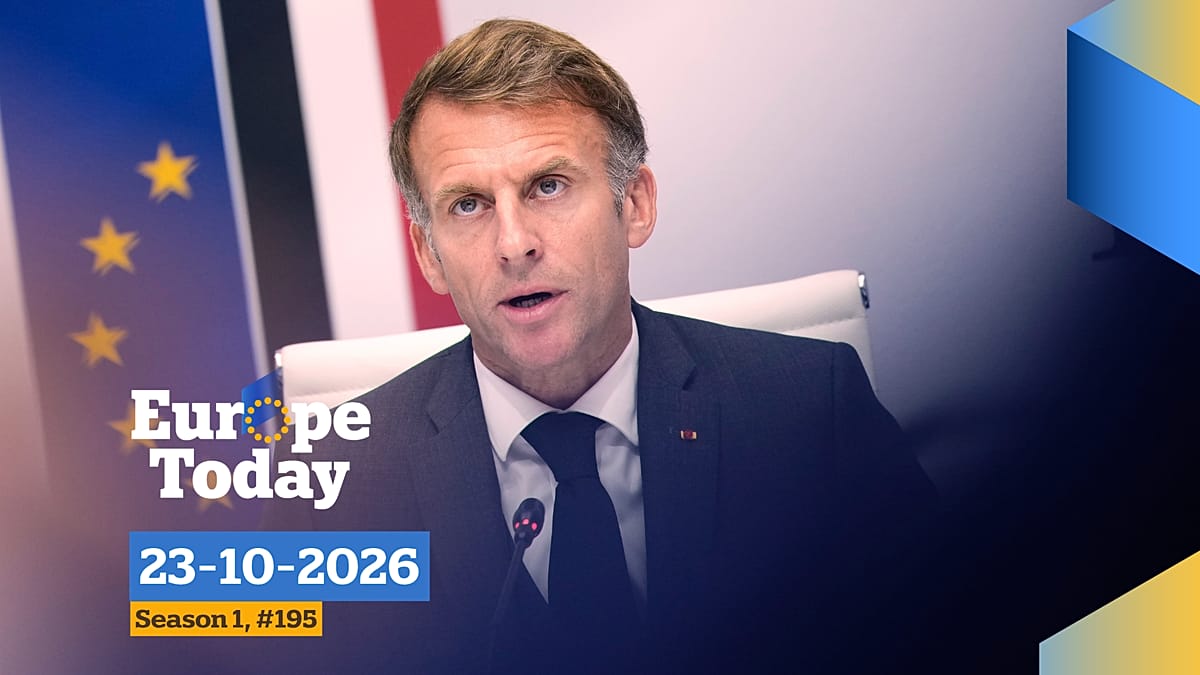
The exhibition also saw fresh international security agreements. Qatar and France signed a cooperation plan between their interior ministries covering 2027–2030, aimed at strengthening coordination and exchanges of expertise. A joint statement following French President Emmanuel Macron’s visit to Doha said the expanded partnership covered homeland security and civil protection. The visit came amid broader European interest in Gulf energy and security ties, as Macron has sought to balance diplomatic engagement with concerns over regional stability.
The week’s discussions in Doha were not limited to the exhibition hall. On Monday, Qatar’s Defence Minister Saoud bin Abdulrahman Al Thani said the country was drawing on lessons from the Iran war to improve protection against ballistic missiles, drones and cyberattacks. He also outlined plans for a local defence production hub and closer cooperation with regional and international partners.
For European observers, the event underscored how Gulf states are investing heavily in security technology, often in partnership with European firms. The presence of companies from across the continent, including from France, Germany and the UK, highlighted the growing market for European security expertise in the region. As Qatar and its neighbours look to diversify their economies and reduce reliance on hydrocarbons, defence and security are emerging as key sectors for international collaboration.