In the medieval St. Burchardi church in Halberstadt, a small town in the eastern German state of Saxony-Anhalt, a musical event of extraordinary patience unfolded this week. The John Cage Organ Project, which has been performing the American composer's ORGAN²/ASLSP (As SLow aS Possible) since 5 September 2001, introduced a new chord – the first change in two years. The addition of an A4 pipe brings the total to eight sounding notes, marking the 17th chord change in the piece's 25-year run.
The performance is deliberately glacial. Cage, who died in 1992, left only the cryptic instruction “as slow as possible” for this organ arrangement, and the organisers in Halberstadt have taken him at his word. The current iteration is scheduled to last 639 years, ending in 2640 – a duration that dwarfs any human lifespan and makes the project a true multi-generational endeavour.
A sound that outlasts its audience
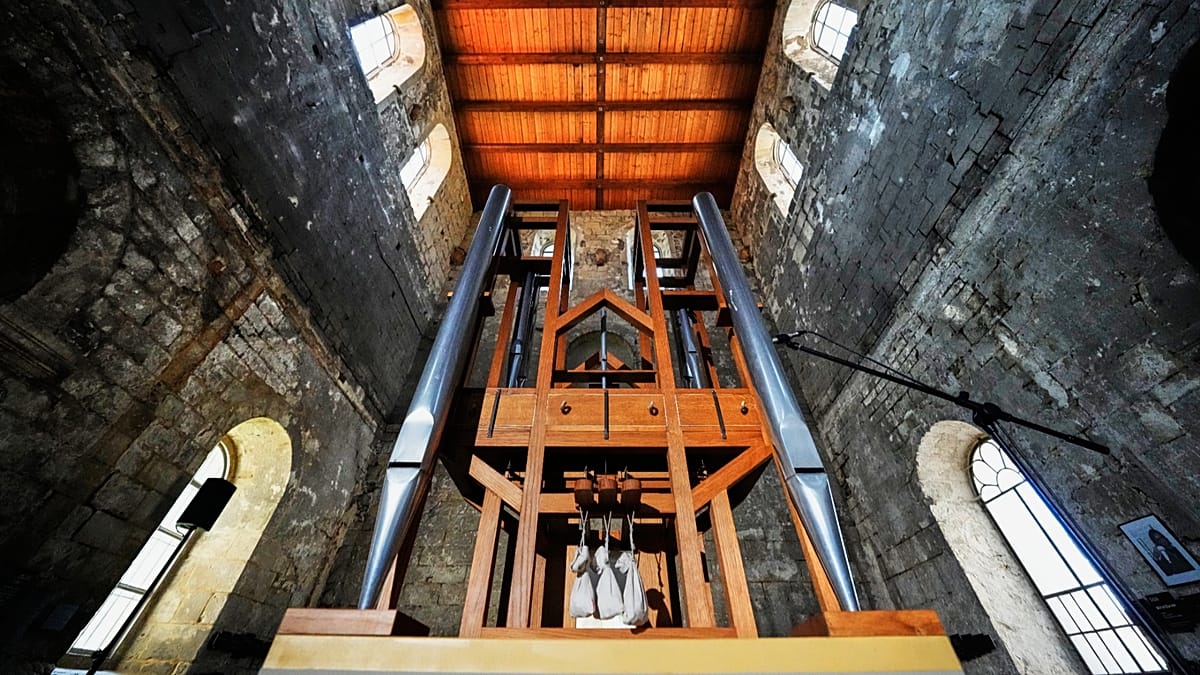
Unlike a conventional concert, where musicians press keys and pedals for minutes or hours, this piece relies on an electric blower that feeds wind into the organ pipes continuously. Since no human could hold a chord for years, the sound is sustained with the help of small sandbags placed on the keys. The chord changes themselves are manual operations, carried out by a team of technicians and curators who carefully add or remove pipes to alter the harmony.
The latest change, which took place on 5 August 2026, was a moment of quiet ceremony. Visitors gathered in the church to witness the shift, a rare opportunity to hear the composition evolve. The previous chord change occurred on 5 February 2024, and the next is scheduled for 5 October 2027, when an E4 note will be added – a sound last heard in September 2020.
For those who cannot wait, the project offers a peculiar form of future-proofing: inheritable “final tickets” for the concluding event on 4 September 2640 are on sale for €2,640. The price tag buys a descendant the right to be present at the final note of the longest musical work ever conceived.
The project is not merely a stunt; it is a serious engagement with Cage's radical ideas about music, time, and perception. Cage, a pioneer of chance music and silence, challenged audiences to rethink what constitutes a musical experience. By stretching a single chord over years, the Halberstadt organ transforms time itself into an instrument.
The choice of Halberstadt is itself significant. The town's St. Burchardi church houses an organ with roots in the 14th century, and the project draws on the region's rich musical heritage. It also serves as a reminder that Europe's cultural landscape is dotted with such ambitious, boundary-pushing initiatives – from the invisible solar panels in Pompeii and Évora to the overhaul of EU air passenger rights.
As the world accelerates, the John Cage Organ Project offers a counterpoint – a slow, deliberate sound that asks us to listen differently. It is a fitting tribute to a composer who once wrote, “I have nothing to say and I am saying it.” In Halberstadt, that nothing takes 639 years to say.