Ukrainian President Volodymyr Zelenskyy arrived in New York for the UN General Assembly on Tuesday, opening his visit with a meeting with US senators before a scheduled encounter with President Donald Trump. His agenda centres on mustering international pressure to end Russia's full-scale invasion, now in its fifth year, and on a set of de-escalation proposals he intends to put directly to the American president.
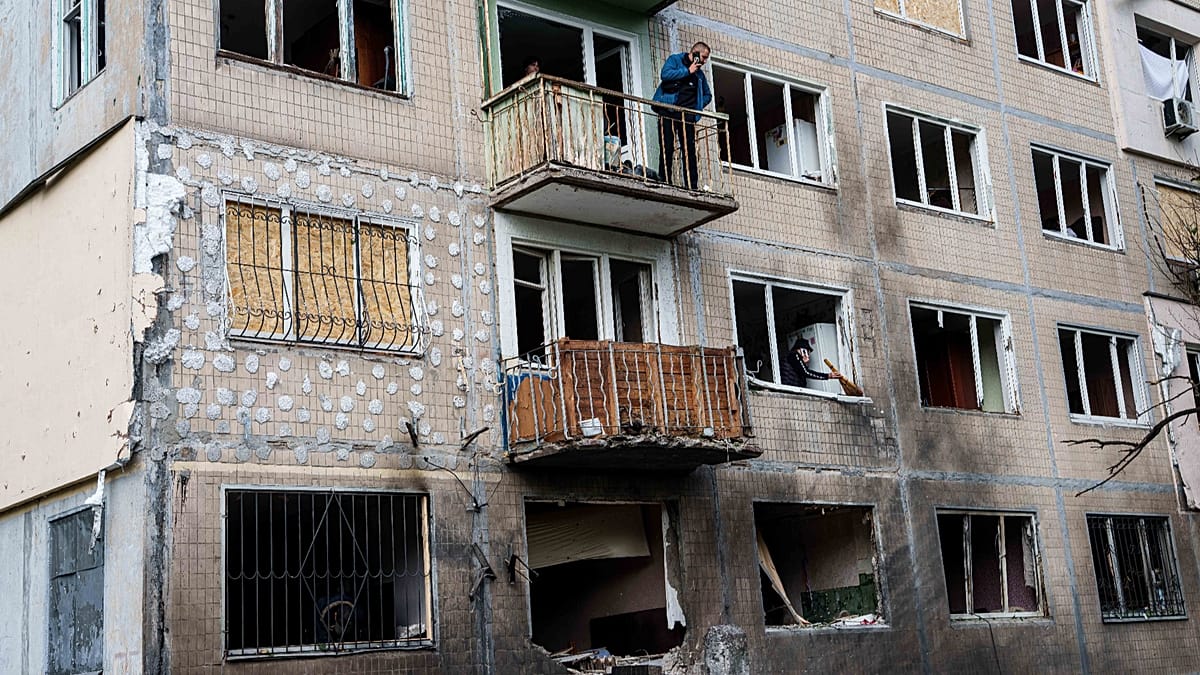
The diplomatic push unfolded against a backdrop of continued aerial warfare. Russia struck at least four Ukrainian regions overnight with missiles and drones, killing four people in the central city of Dnipro, according to Oleksandr Hanzha, head of the Dnipropetrovsk regional military administration. Five people were wounded in Kyiv, and strikes across several regions damaged homes, businesses and storage facilities.
Refinery hit deep inside Russia
Ukraine's special forces said they struck the Kuibyshev oil refinery in Samara, southeast of Moscow, in an overnight drone attack. The facility, owned by Rosneft, produces gasoline, diesel and fuel oil and is a significant supplier for central Russia. Regional Governor Vyacheslav Fedorishchev said one person was killed and four wounded in the attack, adding that "the enemy targeted industrial facilities" without specifying which. Ukrainian forces said they had hit the same refinery last June.
Russia's Defence Ministry said its air defences downed 297 Ukrainian drones over 14 Russian regions and the illegally annexed Crimean Peninsula. Ukraine's air force, meanwhile, reported that Moscow's overnight assault involved anti-ship, ballistic and cruise missiles alongside more than 200 drones. Russia's military claimed it struck metallurgical and chemical plants, fuel and energy infrastructure, port facilities in four Ukrainian regions, a Fire Point plant in Kyiv that produces components for long-range cruise missiles, and a tobacco factory in the Poltava region used for small-arms ammunition.
The reciprocal strikes on energy infrastructure have had consequences well beyond the front line. Repeated Ukrainian attacks on Russian refineries, launched in response to Moscow's bombardment of Ukraine's power grid, have contributed to international shortages of diesel and sharp price increases. Trump has pointed to that global crunch, though it has also been compounded by curtailed oil shipments through the Strait of Hormuz following the Iran war.
Macron offers radars and pushes for a truce
French President Emmanuel Macron said on Tuesday that Paris would send additional radars to Ukraine to help shield its electricity network. Writing on social media, Macron said he had discussed with Trump the prospect of a truce covering strikes on energy infrastructure and a "moratorium" on attacks in the Black Sea. The French initiative echoes earlier talks between Macron and Trump on the Red Sea and Ukraine, which Paris described at the time as constructive.
Zelenskyy's opening day in New York focused on Capitol Hill. He thanked senators for what he called strong bipartisan backing and for recently passing a tougher sanctions bill targeting Russia, which Trump has signed into law. The Ukrainian leader said peace and security would come closer once the legislation is fully implemented, and that he had briefed senators on his de-escalation proposals ahead of his meeting with Trump.
Kyiv is also seeking help to keep Ukrainian grain and other agricultural exports flowing through the Black Sea. Russian attacks on cargo vessels have severely disrupted those shipments, damaging Ukraine's economy and threatening global food supplies. The sanctions file remains contentious in Europe, where Kyiv has warned EU capitals against political delistings from Russia sanctions as the bloc weighs its next moves.
Vladimir Putin is not expected to attend the General Assembly. Western officials estimate the war has killed more than 500,000 Russian troops, a figure that underscores the scale of the conflict as diplomats in New York search for any opening toward a ceasefire.