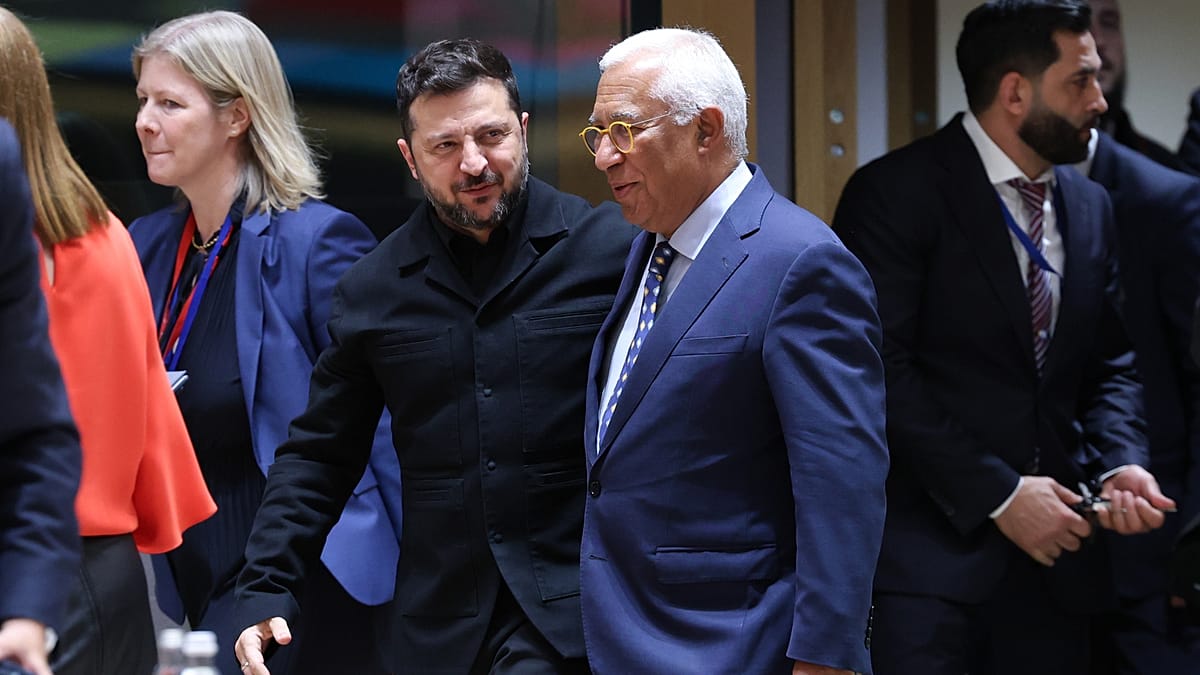
BRUSSELS — Ukraine’s President Volodymyr Zelenskyy is in Brussels on Thursday for talks with the EU’s 27 leaders, seeking to put Kyiv’s military and financial needs at the top of the agenda as transatlantic support grows increasingly uncertain.
After a week of renewed friction with US President Donald Trump, Zelenskyy is expected to press for concrete commitments on air defence, energy infrastructure protection, and long-term financing. His deputy chief of staff, Ihor Zhovkva, told our correspondent Sasha Vakulina that Europe must develop its own alternatives to US missile defence and Starlink satellite communications, both of which have been thrown into doubt by Washington’s wavering stance. Read more on Kyiv’s push for European alternatives.
Zelenskyy’s visit is expected to be brief, with his departure scheduled around midday. He will begin with his first formal bilateral meeting with Hungarian Prime Minister Péter Magyar, as the two countries attempt to reset relations after years of disputes that have repeatedly complicated Ukraine’s EU accession path. The thaw in Kyiv-Budapest ties is a key development to watch.
Financing gap and frozen assets
Leaders are set to discuss Ukraine’s financing needs for 2027, which Kyiv estimates at $78 billion. One EU diplomat said the bloc would be expected to contribute “tens of billions” to that figure, but tighter public budgets and waning voter enthusiasm for further aid make the task harder.
That is why the idea of channelling Russian state assets immobilised in EU countries—worth around €210 billion—into a loan for Ukraine is being revived. Several EU diplomats believe the option should be firmly back on the table. Reports emerged that US negotiators had pressed European counterparts to hand control of those assets to Washington, to be used as leverage in stalled peace talks.
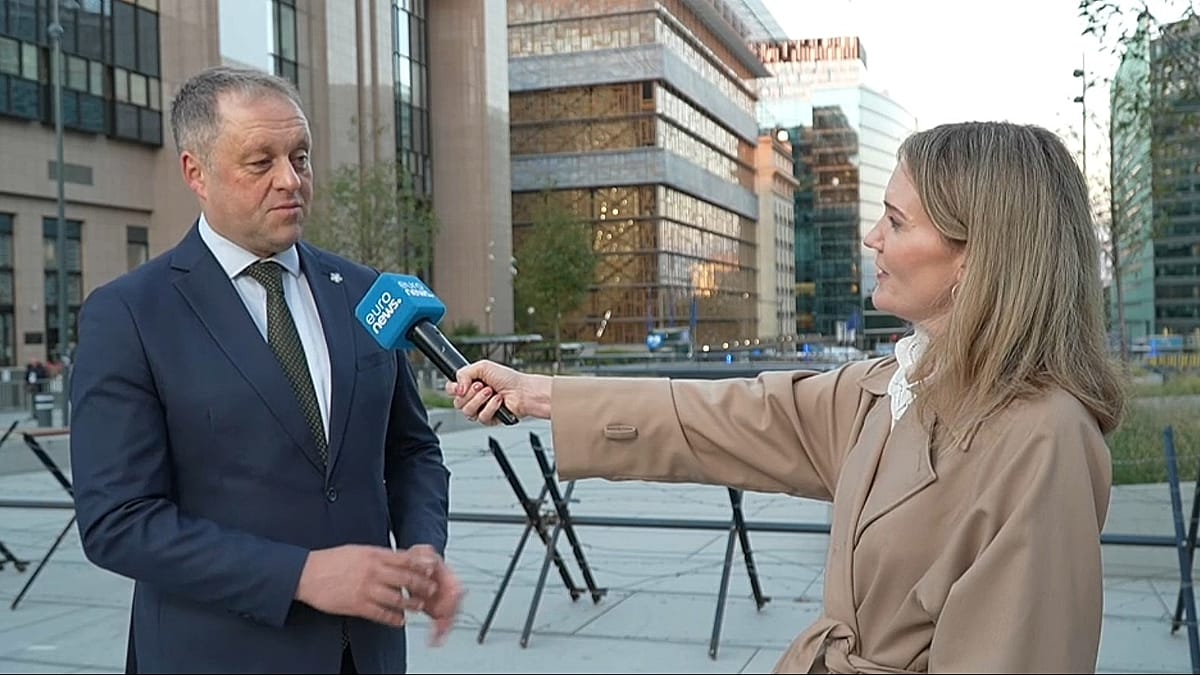
German Chancellor Friedrich Merz firmly rejected the American proposal last night. “This is our business and we are deciding over it,” Merz told reporters. Belgium, where the bulk of the assets are held, remains the main holdout, citing legal and financial risks. Prime Minister Bart de Wever met Zelenskyy bilaterally last night but has not publicly committed to a position, saying only that he had a “clear idea” of how Kyiv’s needs could be covered.
Budget battle deepens
The summit also failed to bridge differences over the EU’s next seven-year budget, casting doubt on a deal by year’s end. Sweden’s caretaker Prime Minister Ulf Kristersson said, “We are not reaching an agreement this month. Not next month. I don’t know even if it’s possible to reach an agreement before the end of the year. I think we are not in a hurry.”
European Council President António Costa is pushing for a deal before spring elections in major economies, particularly France, where Marine Le Pen’s National Rally tops the polls and has threatened to cut France’s contribution. Costa is expected to present a fresh negotiating proposal in the coming weeks, following the Irish “negobox” plan, which Ireland’s EU affairs minister Thomas Byrne defended as a useful basis for negotiation. More on the budget deadlock.
Energy and enlargement
On energy, a plan by the Visegrad Four—Slovakia, Hungary, the Czech Republic and Poland—backed by Italy and Greece to delay the next Emissions Trading System (ETS2) until 2030 hit a wall after hours of talks. Diplomats said Costa could not craft a compromise due to the file’s complexity and technical issues. The six countries did manage to include an impact assessment in the summit conclusions, urging the Commission to address rising electricity prices.
Separately, Germany is pressing Croatia to resolve bilateral disputes with Montenegro that threaten to derail the latter’s EU accession. Berlin has offered to mediate, positioning itself as an honest broker. Croatian Prime Minister Andrej Plenković said, “There are issues which we have signalled to our Montenegrin neighbours for years.”
As Zelenskyy leaves Brussels, the message from European capitals is clear: the continent must step up its own defence and financial support for Ukraine, even as the US role becomes less predictable. EU leaders close ranks behind Zelenskyy amid the deepening feud with Trump.