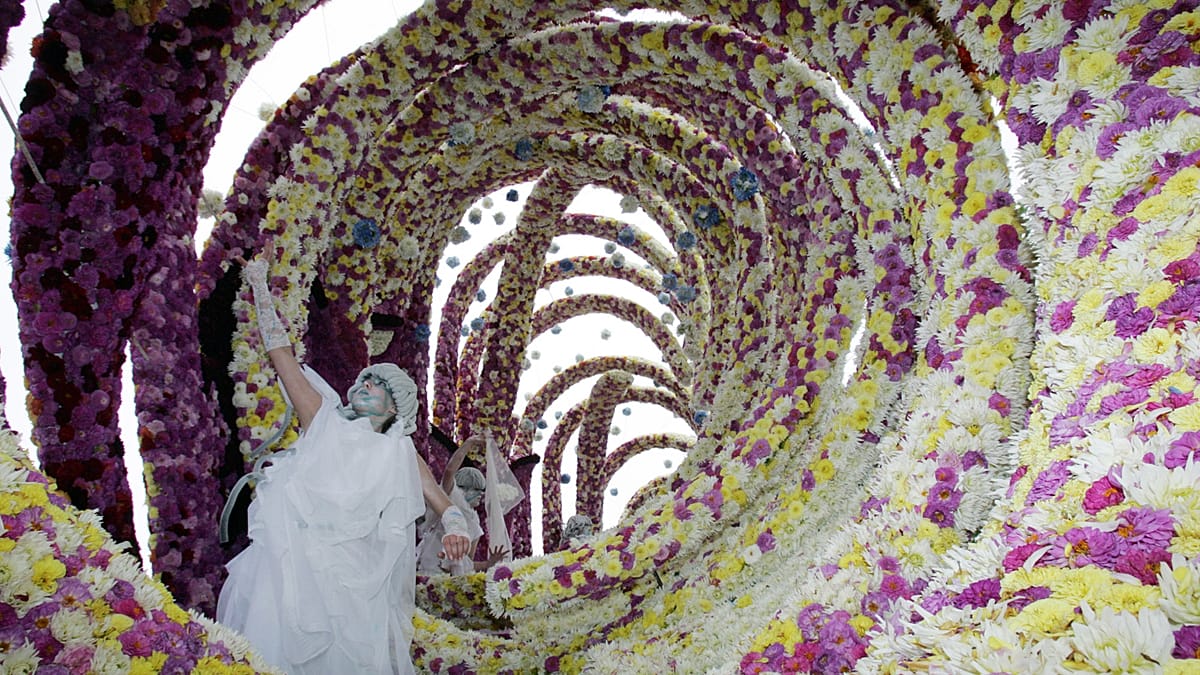
Every autumn, the small Dutch town of Zundert, in the province of North Brabant, transforms into a riot of colour as its famous flower parade rolls through the streets. This year, some 400,000 dahlias were used to decorate towering floats, each one the product of months of painstaking work by local volunteers.
The parade, which dates back to 1936, is one of the Netherlands' most cherished cultural events. It pits twenty neighbourhood hamlets against each other in a friendly competition to create the most impressive float. The result is a spectacular display of floral engineering, with structures that can reach several metres high and stretch over ten metres long.
Volunteer craftsmanship at the core
Behind the scenes, the effort is immense. Each hamlet begins planning its float months in advance, sketching designs, welding steel frames, and covering them with papier-mâché before the final, delicate task of attaching tens of thousands of dahlia heads. The flowers are grown locally and harvested just days before the parade to ensure they remain fresh and vibrant.
"It's a tradition that brings everyone together," said one volunteer from the winning hamlet, speaking to local broadcaster Omroep Brabant. "We start in spring, working evenings and weekends. When the float finally rolls out, it's a moment of pure pride."
The parade is not just a visual feast; it is also a testament to the region's agricultural heritage. Dahlias, which are native to Mexico, have been cultivated in the Netherlands since the 19th century and have become a symbol of Dutch horticultural expertise. The country remains a global leader in flower exports, and events like this reinforce its reputation.
Visitors from across Europe flock to Zundert for the occasion, many arriving by train from Antwerp or Brussels. The town, which lies close to the Belgian border, sees its population swell several times over on parade day. Hotels in the area are booked out weeks in advance, and local cafes and restaurants do a brisk trade.
For those unable to attend in person, the parade is also a major draw on social media, with drone footage and time-lapse videos capturing the floats from every angle. The event has become a highlight of the European cultural calendar, blending art, community, and horticulture in a way that few other festivals can match.
While the parade is a celebration of beauty, it also carries a deeper significance. In an era of increasing digitalisation, it represents a tangible, hands-on form of creativity that brings generations together. Children work alongside grandparents, and the skills involved are passed down through families.
As the last float disappears around the corner, the volunteers begin to think about next year. The competition is fierce, and the bar is always rising. But for now, the people of Zundert can bask in the glow of another successful parade, their dahlias a fleeting but unforgettable tribute to their craft.