Portugal's Alentejo region, long known for its cork forests, olive groves, and quiet coastal villages, is undergoing a transformation. A wave of luxury hotel openings and villa relaunches is putting this sun-drenched area on the map for high-end travelers seeking something beyond the Algarve's crowded beaches.
From the sandy shores of Comporta and Melides to the Roman and Moorish streets of Évora, new properties are blending contemporary design with local traditions. The trend reflects a broader shift in European tourism: travelers are increasingly drawn to authentic, less commercialized destinations that offer cultural depth alongside comfort.
Comporta and Melides: The New Coastal Hotspots
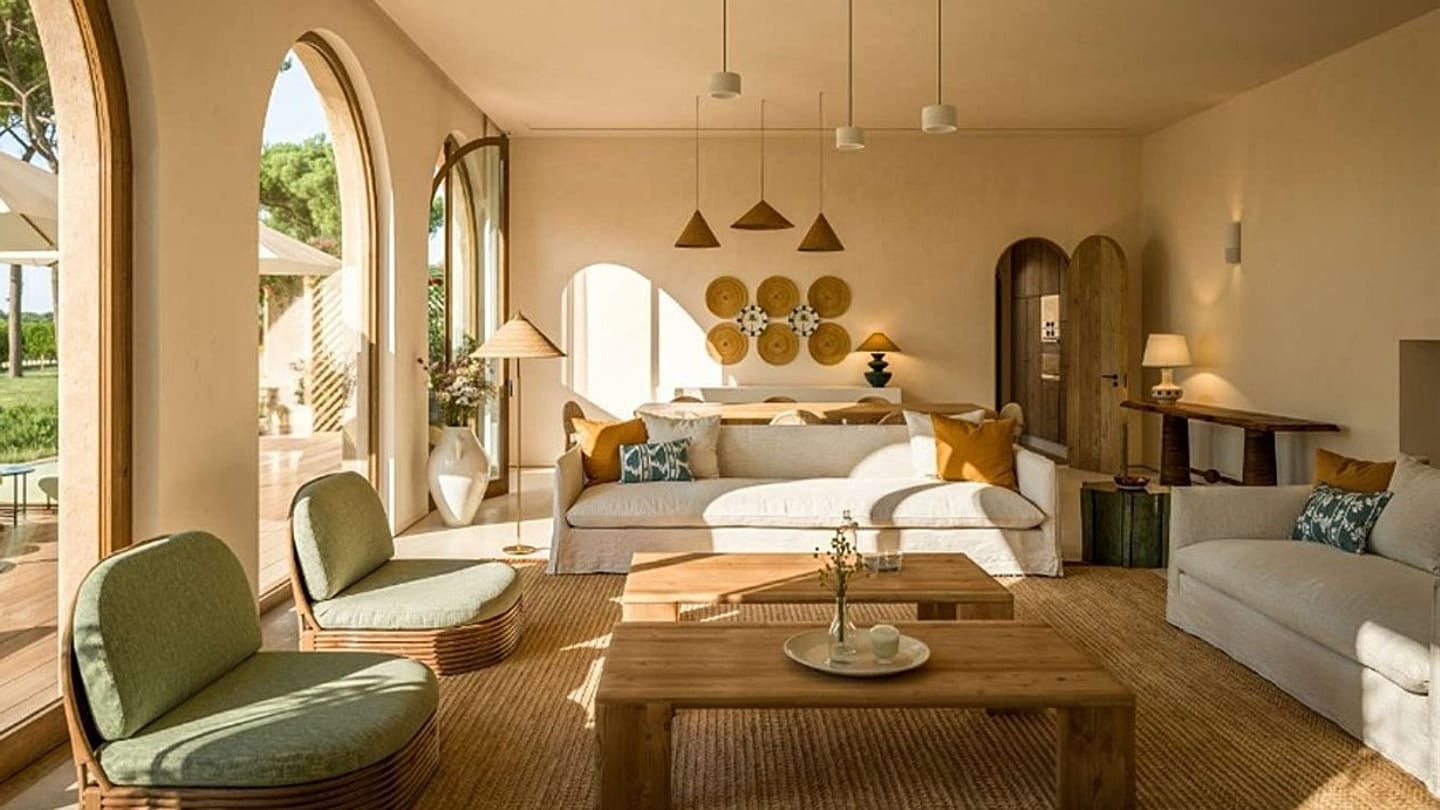
Comporta, a former fishing village about an hour south of Lisbon, has become a magnet for luxury developments. The region's rice fields, pine forests, and Atlantic beaches provide a serene backdrop for hotels like the recently opened Sublime Comporta, which offers minimalist villas and a farm-to-table restaurant. Nearby Melides has seen the relaunch of the Melides Country House, a restored 19th-century estate with just eight suites, emphasizing privacy and slow living.
These projects are part of a larger investment wave in the Alentejo coast, where land prices remain lower than in the Algarve or Lisbon's Cascais line. Developers are betting that the area's unspoiled character will appeal to a clientele tired of mass tourism.
Évora: History Meets Boutique Luxury
Inland, the UNESCO World Heritage city of Évora is experiencing its own renaissance. The Convento do Espinheiro, a former 15th-century convent turned luxury hotel, has undergone a multi-million-euro renovation, adding a spa and gourmet restaurant. Smaller boutique properties, such as M'Ar de Ar Muralhas, are opening within the city's medieval walls, offering rooftop terraces with views of the Roman temple.
Évora's appeal lies in its layered history—Roman, Visigothic, Moorish, and Portuguese influences are visible in its architecture and cuisine. For travelers interested in deeper cultural connections, the region also offers archaeological sites where ancient human DNA has been discovered on cave walls, linking the present to millennia of human habitation.
Economic and Environmental Considerations
The luxury boom is not without challenges. Critics warn that unchecked development could erode the very character that attracts visitors. The Portuguese government has introduced stricter regulations for coastal construction, aiming to balance tourism growth with environmental protection. Meanwhile, Portugal's €1.5 billion investment in vocational training aims to address labour shortages in the hospitality sector, ensuring that new hotels can find skilled staff.
Climate factors also play a role. The Alentejo's dry summers and mild winters make it a year-round destination, but El Niño raises wildfire risk in Portugal this summer, a concern for both developers and tourists. Hotels are increasingly incorporating fire-resistant landscaping and water conservation systems.
For now, the Alentejo's luxury segment is thriving. The region offers something rare in Europe: space, silence, and a sense of discovery. As one Lisbon-based hotelier put it, "The Alentejo is not just a place to stay—it's a place to breathe."