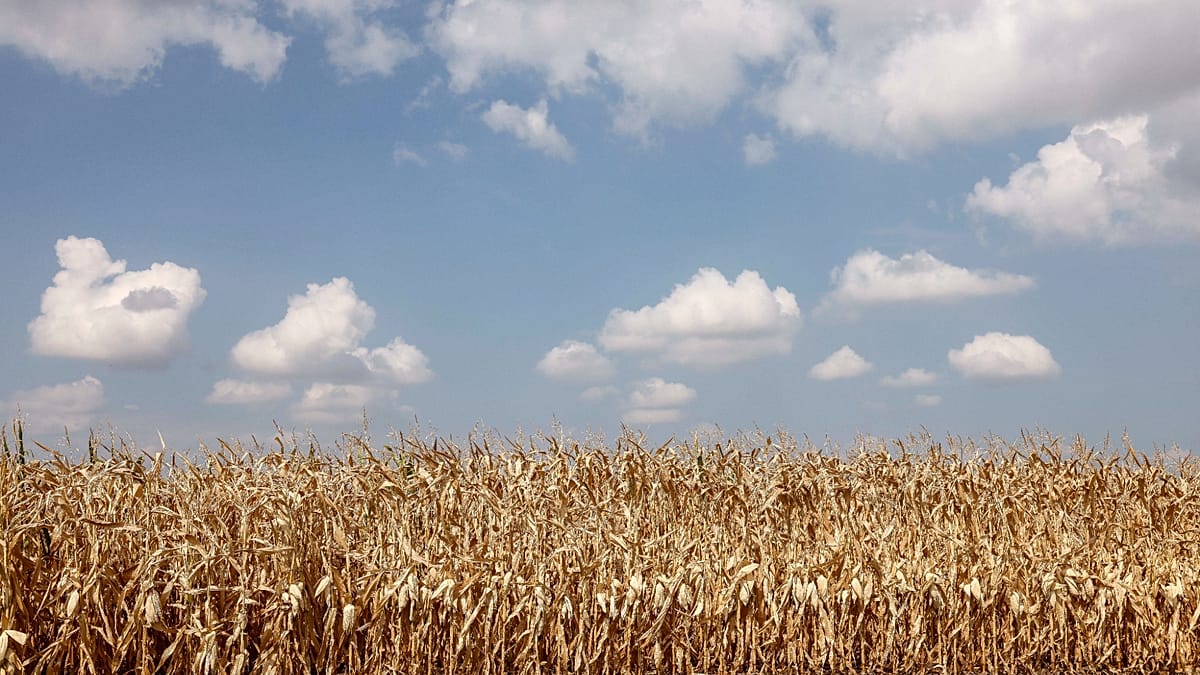
In the fields of Bas-Rhin, a quiet agricultural shift is underway. Lentils, chickpeas, and quinoa—once rare in this corner of northeastern France—are becoming a familiar sight. Driven by repeated heatwaves and drought, a group of farmers from Illkirch-Graffenstaden, just south of Strasbourg, has turned to these hardy pulses as a sustainable alternative to traditional crops.
The initiative began during the COVID-19 pandemic, when Cédric Steinlé, one of the founding farmers, decided to experiment. “We realised we really needed to do something, because it was very interesting for consumers to be able to eat these products, local produce that is still quite unusual,” he explains. “Chickpeas, for example – we'd never seen any here.”
Soon, three neighbouring producers joined him, and together they launched their own brand, Graines d'Alsace. Operating as a small cooperative, they now harvest more than 100 tonnes of pulses annually—double the amount from three years ago. The crop list has expanded to include chia seeds and red beans, reflecting growing demand for plant-based proteins across Europe.
Why pulses thrive in a warming climate
Pulses offer a double advantage. Nutritionally, they are rich in protein and fibre while containing little fat, making them a healthy staple. Environmentally, they fix atmospheric nitrogen in the soil, acting as natural green manures, and require significantly less water than conventional cereals. In a region where summer droughts are becoming the norm, these traits are increasingly valuable.
Yet even these resilient plants have limits. This year's exceptional drought has forced the cooperative to adapt. “In these temperatures, the problem with these plants is that they abort,” Steinlé notes. “So we get a flower, but then the flower drops off the plant and there's nothing after that. And my aim is still to achieve a yield, because behind that there are people who are satisfied with our products.”
The challenge is not just agronomic but economic. With yields under pressure, the cooperative must balance sustainability with the need to supply its growing customer base. So far, the gamble is paying off: Graines d'Alsace products are sold to workplace canteens, hospitals, and producer-run shops across the region, and demand continues to rise.
Steinlé hopes that French consumers will embrace pulses more enthusiastically. At an average of 1.6 kg per person per year, consumption remains well below health recommendations, according to a recent study. The cooperative's success could help change that, offering a local, climate-resilient alternative to imported legumes.
The move in Alsace is part of a broader European trend. As hydropower generation hits record lows and rivers like the Rhine face historic low water levels, farmers across the continent are rethinking what they plant. Pulses, with their low water footprint and soil-enriching properties, are emerging as a practical answer.
For the farmers of Bas-Rhin, the shift is not just about survival—it's about building a resilient future. “We're betting on the long term,” Steinlé says. “These crops make sense for the climate, for the soil, and for the people who eat them.”