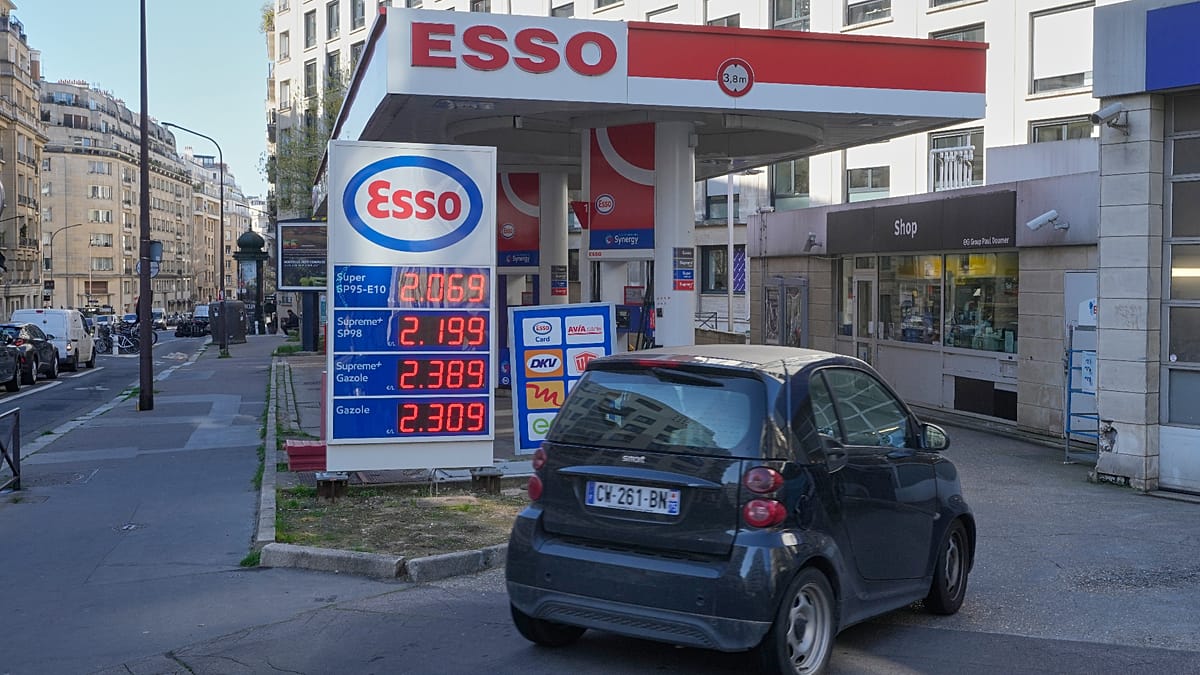
High fuel prices are no longer a temporary blip but a permanent fixture of the global energy market, according to energy analyst Osama Rizvi. In a stark assessment, he warns that even if geopolitical tensions ease, it could take months for supply chains to recover and for prices at the pump to fall back to pre-crisis levels.
Rizvi's comments come as the European Commission identifies the loss of refining capacity as a critical vulnerability that the bloc can no longer ignore. With several European refineries having closed in recent years, the EU's dependence on imported fuels has grown, leaving it exposed to shocks from conflicts in the Middle East and elsewhere.
A 'wake-up call' for Europe
Energy Commissioner Dan Jørgensen has described the prolonged war in the Middle East as a wake-up call for the European Union. He argues that the bloc must ensure it has sufficient refining capacity at home to withstand geopolitical crises. "We cannot rely on others for our energy security," Jørgensen said in a recent address, stressing the need for strategic autonomy.
Rizvi goes further, advocating a global "refinery revolution." He believes that refineries should be spread more evenly across the globe, rather than concentrated in a few regions, so that no single conflict can cripple supply. "When refineries are clustered, they become vulnerable," he explained. "Diversifying their location reduces the risk of simultaneous disruptions."
The analyst's call echoes concerns raised by industry experts who point to the closure of refineries in Europe, the United States, and other regions over the past decade. These closures have been driven by a combination of environmental regulations, competition from newer and larger facilities in Asia and the Middle East, and the shift towards renewable energy.
However, the recent surge in fuel prices has reignited debate about the strategic importance of refining capacity. In countries like Germany, France, and Italy, motorists have faced record prices at the pump, while industries have struggled with higher energy costs. The situation has also fueled inflation, putting pressure on the European Central Bank to tighten monetary policy.
Rizvi's proposal is not without its critics. Some environmental groups argue that building more refineries would lock in fossil fuel dependence for decades, undermining climate goals. They point to the EU's commitment to achieve carbon neutrality by 2050 as a reason to invest in alternatives rather than expand refining capacity.
Yet, for now, the immediate concern is security of supply. The European Commission is exploring options to incentivize the maintenance and construction of refineries within the bloc, possibly through strategic reserves or tax breaks. Some member states, particularly those with existing refining industries, are pushing for more decisive action.
The debate also touches on the broader issue of energy independence, a topic that has gained urgency since Russia's invasion of Ukraine. The EU has already taken steps to reduce its reliance on Russian gas, but the refining sector remains a weak point. As Jørgensen noted, "We need to learn the lessons of this crisis and build a more resilient energy system."
For consumers, the immediate outlook is bleak. Rizvi predicts that prices will remain elevated for the foreseeable future, barring a rapid and unexpected resolution of the conflicts driving the volatility. "We are in a new era of energy geopolitics," he said. "Adapting to it will require bold decisions."
In the meantime, European governments are exploring ways to cushion the impact on households and businesses, from fuel subsidies to windfall taxes on energy companies. But these are stopgap measures. The long-term solution, as Rizvi and others argue, lies in a more diversified and resilient global refining network.