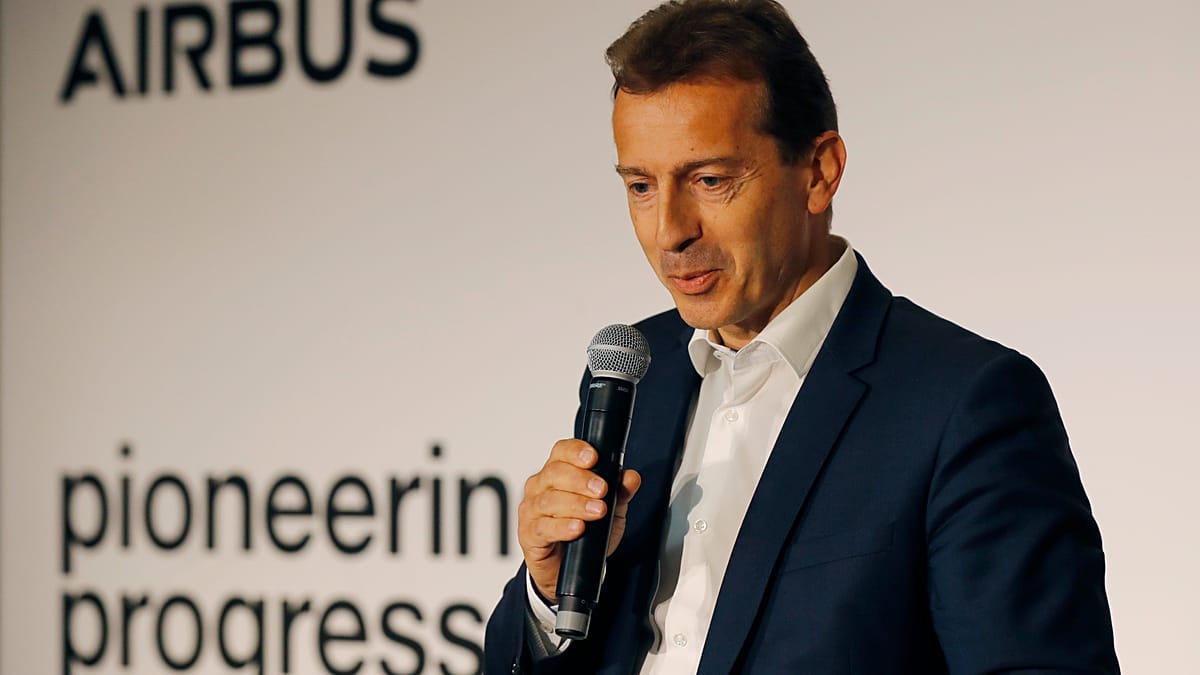
Airbus is weighing whether to join the British-Japanese-Italian consortium developing a next-generation fighter jet, after the rival Franco-German programme fell apart earlier this year. Speaking to reporters on Wednesday, Airbus chief executive Guillaume Faury said that participating in the Global Combat Air Programme (GCAP) was a “potential” solution, though other paths remain on the table.
The collapse of the Franco-German project, which had paired Airbus with France’s Dassault Aviation, left a gap in Europe’s plans for a sixth-generation combat aircraft. Faury confirmed that Airbus had represented Germany and Spain in that scheme, and that the German government is now in contact with other countries about possible partnerships.
A shifting landscape for European defence aviation
GCAP, launched by the UK, Japan and Italy, has already secured more than $5.5 billion (€4.7 billion) in funding, with the goal of fielding a new fighter by 2035. Canada has joined as an observer. The programme is seen as a rival to the Franco-German effort, which was meant to produce a successor to the Eurofighter Typhoon and France’s Rafale.
Faury stressed that Airbus remains committed to a European solution. “We are supporting and working closely with the German and the Spanish governments on the future of the next generation fighter,” he said, adding that any such aircraft must be “in Europe and for Europe.”
“Basically, at Airbus, we continue to believe in the need for a sixth-generation fighter in Europe as a cooperation programme. And we want to be part of that solution for Europe,” he said.
The decision, however, rests with governments. Faury said it would be up to them to decide, “ideally not in the too distant future.”
The Franco-German project unravelled in June when Dassault, which led the French side, failed to agree on a design with Airbus and the German military. Dassault is now proceeding alone with the French state to develop a jet to replace the Rafale, a move that has raised questions about the future of European defence industrial cooperation.
For Airbus, joining GCAP would mark a significant shift in its defence portfolio. The company already has a strong presence in the UK, where it employs thousands of workers, and its involvement could help bridge the gap between European and Japanese defence industries. The UK, Japan and Italy have been deepening their security ties, and Germany and Japan have also been strengthening economic-security links, a trend that could influence Berlin’s decision.
Analysts note that the collapse of the Franco-German project leaves Europe with two competing visions for future air power: a French-led effort and the GCAP consortium. Airbus’s potential entry into GCAP could reshape the balance, but it also raises questions about the future of the Eurofighter, which is built by a consortium including Airbus, BAE Systems and Leonardo.
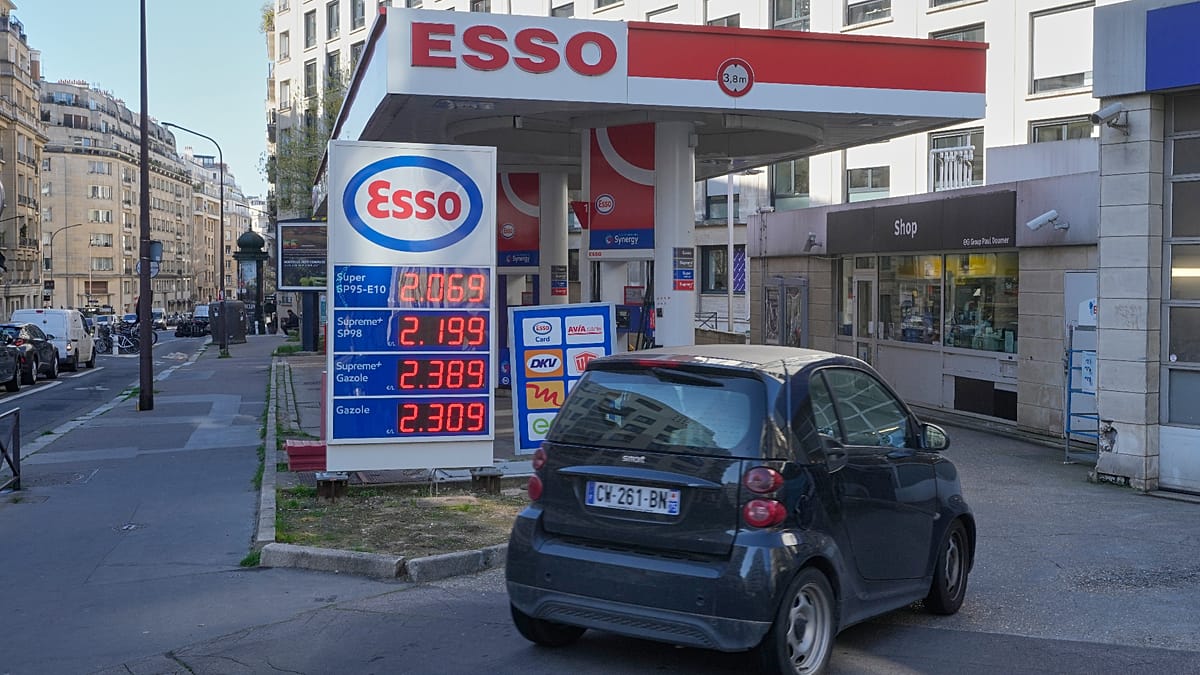
Faury’s comments come amid broader concerns about European defence readiness. The EU’s defence chief has recently warned of fuel shortages in a potential conflict, underscoring the urgency of modernising military capabilities. Meanwhile, the European Union is pushing for greater defence integration, but national interests often complicate joint projects.
For now, Airbus is keeping its options open. Faury did not rule out other configurations, and he emphasised that the company would work closely with Berlin and Madrid to find a path forward. The next few months will be critical, as governments weigh the costs and benefits of joining a programme that is already well underway.
If Airbus does join GCAP, it would be a major boost for the programme, bringing the continent’s largest aerospace company into the fold. But it would also mark a departure from the Franco-German axis that has long dominated European defence projects. The decision, as Faury noted, is ultimately political.