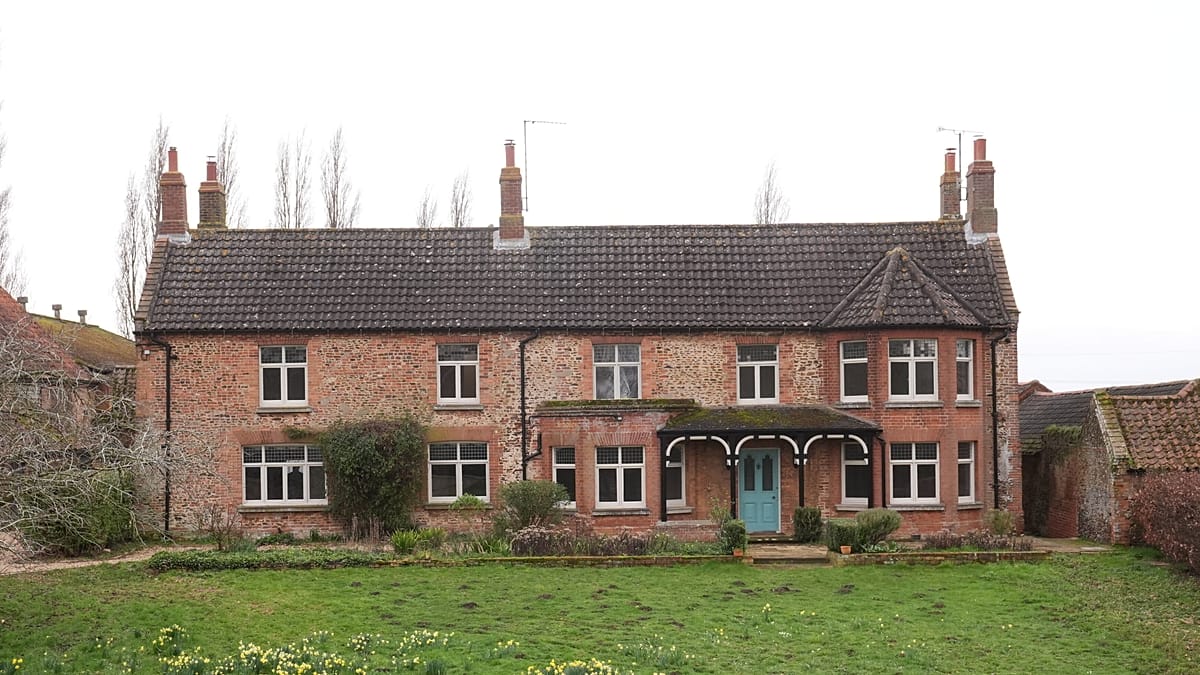
The Duke of York, formerly known as Prince Andrew, has received £302,000 (approximately €347,000) in compensation after being compelled to relinquish the lease on his long-time residence, Royal Lodge, in Windsor Great Park. The payment, confirmed by the Crown Estate on Friday, stems from the early termination of his 75-year lease, which he left less than 25 years into its term.
The compensation was automatically deducted from the £1.8 million (around €2.07 million) that Andrew owes for repairs and maintenance on the property. This leaves him with a net bill of approximately £1.5 million (€1.73 million), a sum that reflects the extensive work needed to restore the Grade II listed mansion to a suitable condition for future occupants.
In a statement, the Crown Estate said: “The lease for Royal Lodge has ended and our focus now is firmly on its future use and the opportunities to generate additional financial value for the nation from its early return.” The estate, which manages the monarch’s public assets, has not yet announced plans for the property, but the early return allows it to explore new revenue streams.
A controversial exit
Andrew’s departure from Royal Lodge in February came after months of mounting pressure. King Charles III stripped his younger brother of his princely title and ordered him to vacate the property last year, amid growing scrutiny over his association with convicted sex offender Jeffrey Epstein. The Duke has consistently denied any wrongdoing, but the controversy has followed him across the continent.
The move to the Sandringham Estate in eastern England, where he now occupies a smaller property privately owned by the King, has been seen as a significant demotion. The estate is a private residence of the monarch, and Andrew’s presence there has drawn mixed reactions from locals and royal watchers alike.
Adding to the drama, police searched Royal Lodge for six days in February as part of an investigation into allegations of misconduct in public office linked to his relationship with Epstein. On Thursday, Andrew won a legal challenge after police acknowledged that the search warrants they had obtained were “unlawful.” This court ruling quashing the warrants has raised questions about the conduct of the investigation, though it does not clear Andrew of any potential wrongdoing.
The release of millions of pages of documents by the US Justice Department has further exposed the extent of Andrew’s ties to Epstein, including emails and travel records that have kept the story alive in both British and international media. The Duke’s continued residence at Royal Lodge had also been criticised because he paid only a nominal rent for the property, a privilege that many saw as unjustifiable given the circumstances.
While the financial settlement brings an end to one chapter, the broader implications for the British monarchy remain. The episode has reignited debates about the cost of royal residences and the transparency of the Crown Estate’s dealings. For now, the focus shifts to the future of Royal Lodge, which could be leased to new tenants or repurposed to generate income for the nation.
Andrew’s case is not isolated; across Europe, royal families have faced similar scrutiny over their assets and privileges. In Sweden, for instance, recent incidents near the royal palace have highlighted security concerns, while in Spain, police actions ahead of a royal visit have drawn criticism. These stories underscore the delicate balance between tradition and public accountability that monarchies across the continent must navigate.
As the Duke of York settles into his new, more modest quarters, the financial settlement serves as a reminder that even the most privileged figures are not immune to the consequences of their actions. The Crown Estate’s statement suggests a pragmatic approach, prioritising the nation’s financial interests over personal arrangements. Whether this marks a turning point in how royal properties are managed remains to be seen.