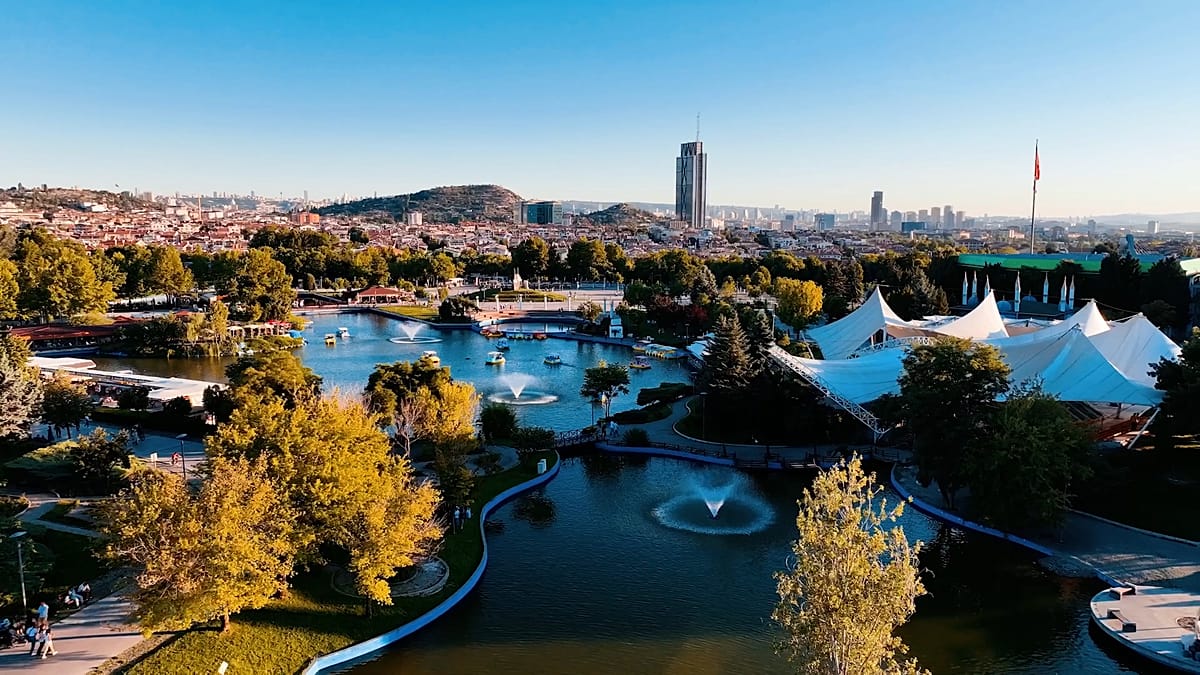
Ankara, often overshadowed by Istanbul's cosmopolitan allure, is stepping into the spotlight as a vital cultural nexus. Its recent designation as the 2026 Tourism Capital of the Turkic world underscores a strategic effort to position the Turkish capital as a bridge between Eastern and Western civilisations. This recognition, awarded by the International Organization of Turkic Culture (TÜRKSOY), places Ankara at the heart of a network spanning from Central Asia to the Balkans.
From Phrygian Kings to Modern Diplomacy
The city's historical depth is palpable at the Museum of Anatolian Civilisations, where Deputy Manager Dr. Umut Alagöz guides visitors through millennia of artefacts. 'Anatolia has always been a bridge between Mesopotamia and the Mediterranean,' he explains, tracing connections that predate the Hittites and continue through the Roman, Byzantine, and Ottoman eras. This layered heritage is anchored at the UNESCO-listed site of Gordion, the former Phrygian capital. Archaeologist Mustafa Metin, Deputy Director of the museum, points to the site's 3,000-year-old citadel and the 53-metre-high burial mound of King Gordios as evidence of an ancient power centre that once rivaled the great empires of the Near East.
Today, that influence persists in Ankara's diplomatic corridors. As the seat of the Turkish government and home to over 100 embassies, the city is a hub for international negotiations and cultural exchange. This modern diplomacy echoes the ancient role of Anatolia as a meeting point for trade routes and ideas. For a deeper look at how cultural diplomacy shapes European ties, see our coverage of Kazakhstan and Italy strengthening cultural ties.
A Culinary Crossroads
Ankara's cultural fusion is perhaps most evident in its culinary scene. At Trilye Restaurant, owner Süreyya Üzmez sources seafood from all four of Türkiye's seas—the Mediterranean, Aegean, Marmara, and Black Sea—creating a menu that mirrors the city's status as a refined intersection of cultures. 'Each sea brings its own traditions and flavours,' Üzmez says. 'Ankara is where they all come together.' This gastronomic diversity reflects the broader European trend of cities leveraging food as a cultural asset, much like Prizren in Kosovo has done with its Ottoman and Balkan influences.
The city's cultural ambitions extend beyond tourism. Ankara is investing in infrastructure, including a new museum district and expanded public transport, to accommodate an expected surge in visitors. Local officials hope the 2026 designation will not only boost tourism but also foster deeper ties among Turkic nations, from Azerbaijan to Kazakhstan. This aligns with broader European efforts to promote cultural heritage as a driver of soft power, as seen in initiatives like the European Capital of Culture programme.
Challenges and Opportunities
Yet Ankara faces challenges. Its image as a bureaucratic capital, rather than a tourist destination, requires a concerted rebranding effort. The city must also balance modernisation with preservation, ensuring that sites like Gordion are protected from overtourism. Lessons from other heritage sites, such as Machu Picchu's overtourism crisis, offer cautionary tales.
For now, Ankara's rise as a cultural crossroads is a story of continuity and reinvention. From the Phrygian kings who built the world's oldest known citadel to the diplomats and chefs shaping its future, the city embodies a European—and indeed global—ideal: that the past and present can coexist in a dynamic, open dialogue. As Dr. Alagöz puts it, 'Ankara is not just a capital; it is a living museum of civilisations.'