As Europe endures another summer of record heat and wildfires, scientists are looking to the Arctic for clues about what lies ahead. A new study published in Frontiers in Water suggests that shrinking winter sea ice in the Barents and Kara seas could serve as an early warning for summer droughts across a vast swath of eastern Europe and Central Asia.
The research, led by Dr. Petru C. Vaideanu of the Centre of Excellence for Climate and Societal Changes at the University of Bucharest, found that winters with less sea ice in these waters were followed by drier-than-average summers in a corridor stretching from eastern Romania, Moldova and Ukraine, across the northern Black Sea and Caspian regions, and into western Kazakhstan.
Why the Barents and Kara seas matter
The Barents and Kara seas, located off the northern coasts of Norway and Russia, have experienced some of the most dramatic declines in winter sea ice since the 1980s. The UN's Intergovernmental Panel on Climate Change (IPCC) projects that unless CO₂ emissions are curbed, sea surface temperatures in this region could rise by 4°C to 5°C by the end of the century.
This rapid warming is driven by a combination of factors, including warmer Atlantic water flowing into the region, local feedback loops from shrinking ice, and shifts in cloud cover and atmospheric circulation. The study's authors used historical sea ice records from October to March, combined with the ERA5 database from the European Centre for Medium-Range Weather Forecasts (ECMWF), to model drought conditions from May to September.
To avoid mistaking simple climate trends for a direct link, the team adjusted for the long-term rise in atmospheric CO₂ concentrations, which independently affects both sea ice and summer rainfall.
Rossby waves and the jet stream
The study points to changes in Rossby waves — vast, undulating movements in the atmosphere that can bend the jet stream — as a key mechanism. When sea ice is low, the atmospheric circulation over the North Atlantic and Eurasia becomes more wavy, allowing warm, dry air to flow into the drought corridor.
“Such a bendy atmospheric circulation pattern can bring relatively warm, dry air into our newly identified drought corridor in Eurasia and lead to stagnant weather,” Vaideanu explains. “We also observed fewer clouds there, so more sunlight heats the land, potentially worsening the drought.”
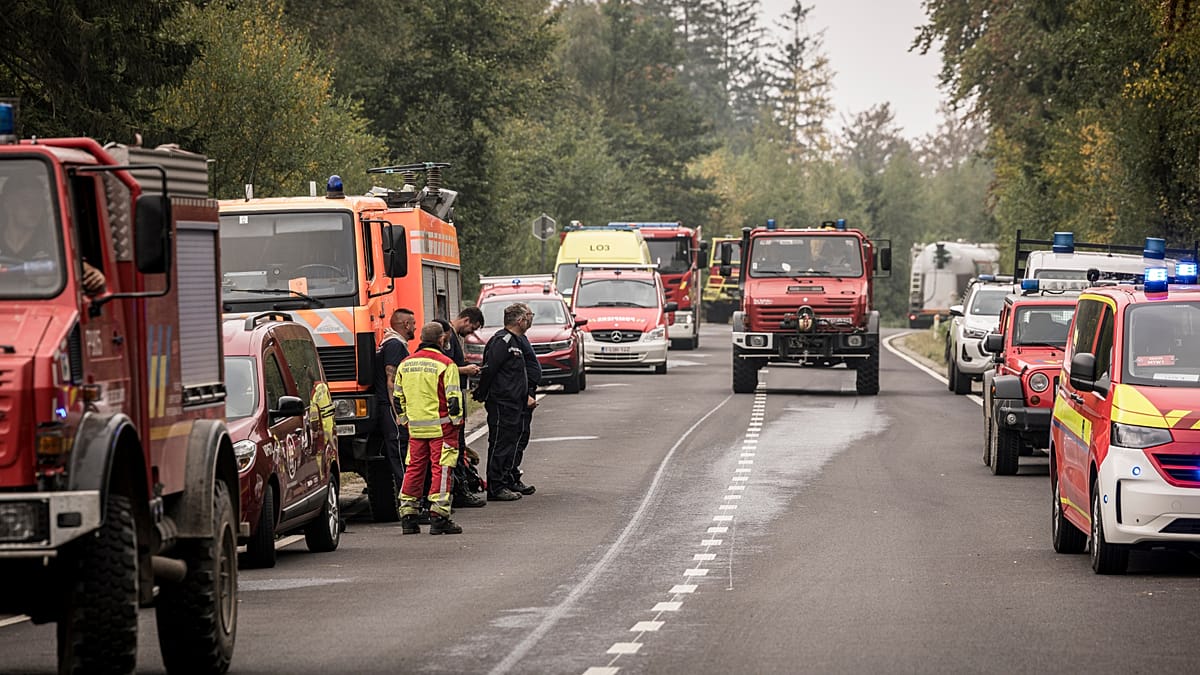
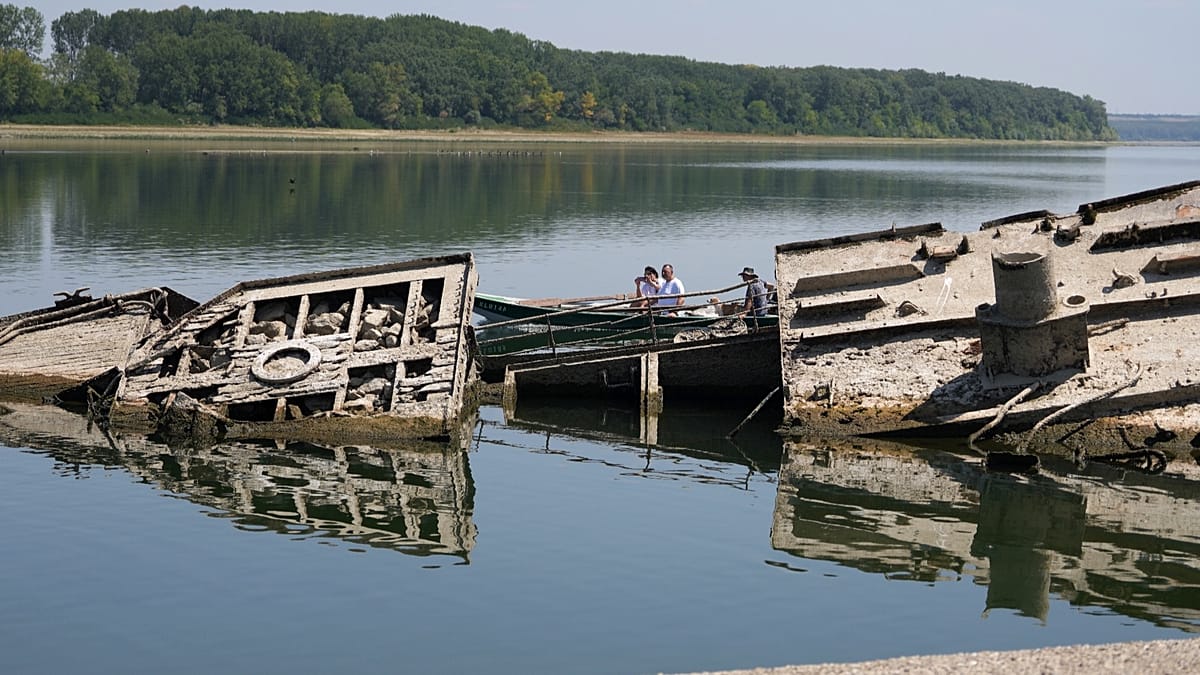
This year, Europe has already felt the consequences of such conditions. Back-to-back heatwaves left a record 52 per cent of the continent exposed to heat stress, and by August the Loire, Po, Rhine and Danube had fallen to record lows. Scientists have said these extremes would have been “virtually impossible” without climate change.
While the link between Arctic ice and European drought is not yet fully understood, the findings offer a potential tool for early warning. “Predicting such droughts in advance could help countries take timely mitigating action,” the researchers note.
The study adds to growing evidence that the Arctic's rapid transformation has far-reaching effects on European weather. As the EU moves to phase out Russian Arctic LNG imports, the region's changing climate remains a pressing concern for policymakers and citizens alike.
For now, the message from the Arctic is clear: what happens in the far north does not stay there. It ripples across the continent, shaping the summers that Europeans will endure.