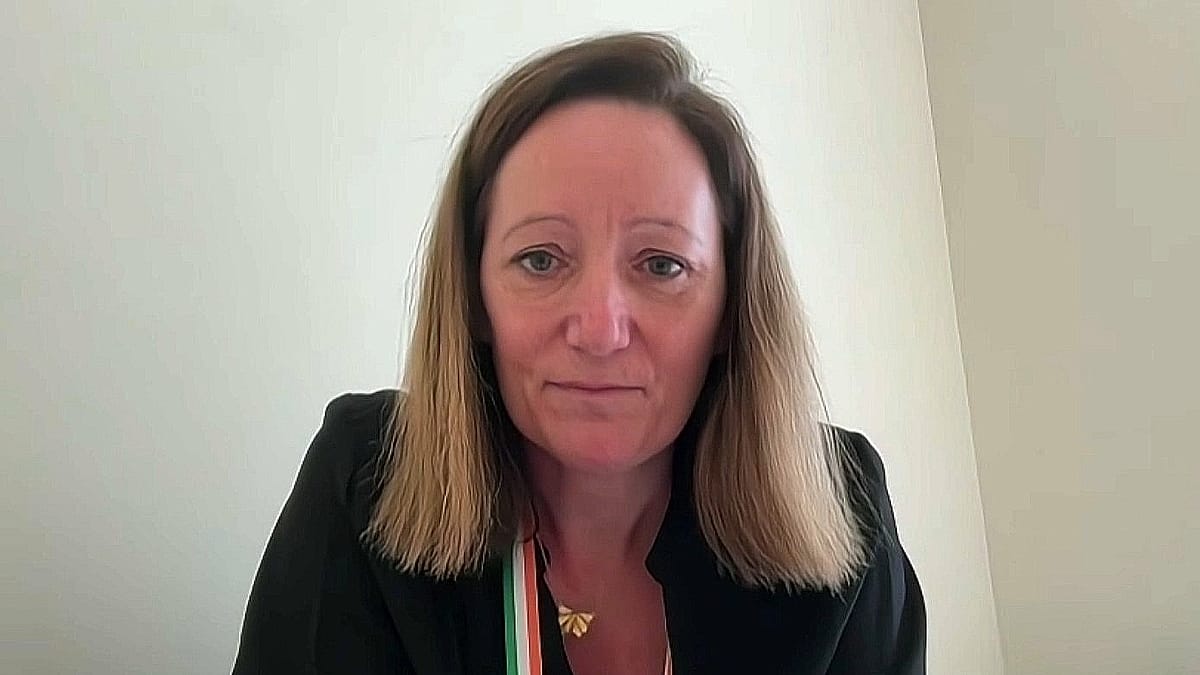
As delegates gather in Antalya for COP31, one of Europe's leading coastal ecologists argues that the climate debate has shifted decisively. Dr. Louise Firth, a professor at University College Cork, believes 2026 will be remembered as the moment when the reality of global warming became impossible to ignore.
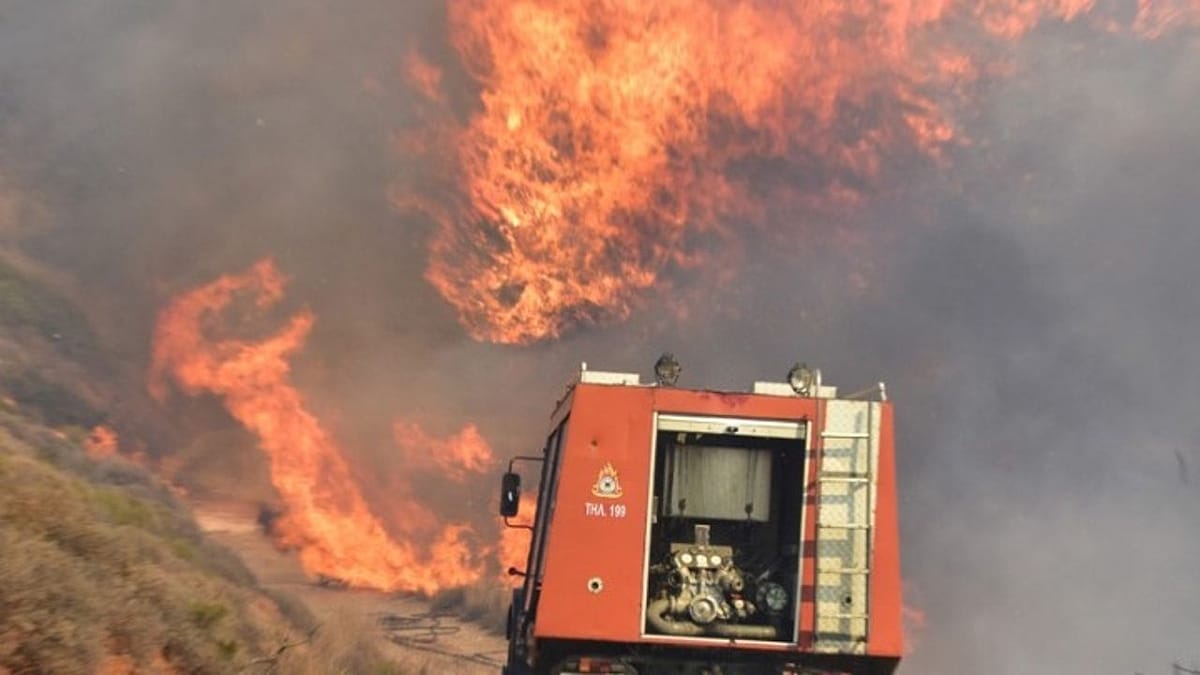
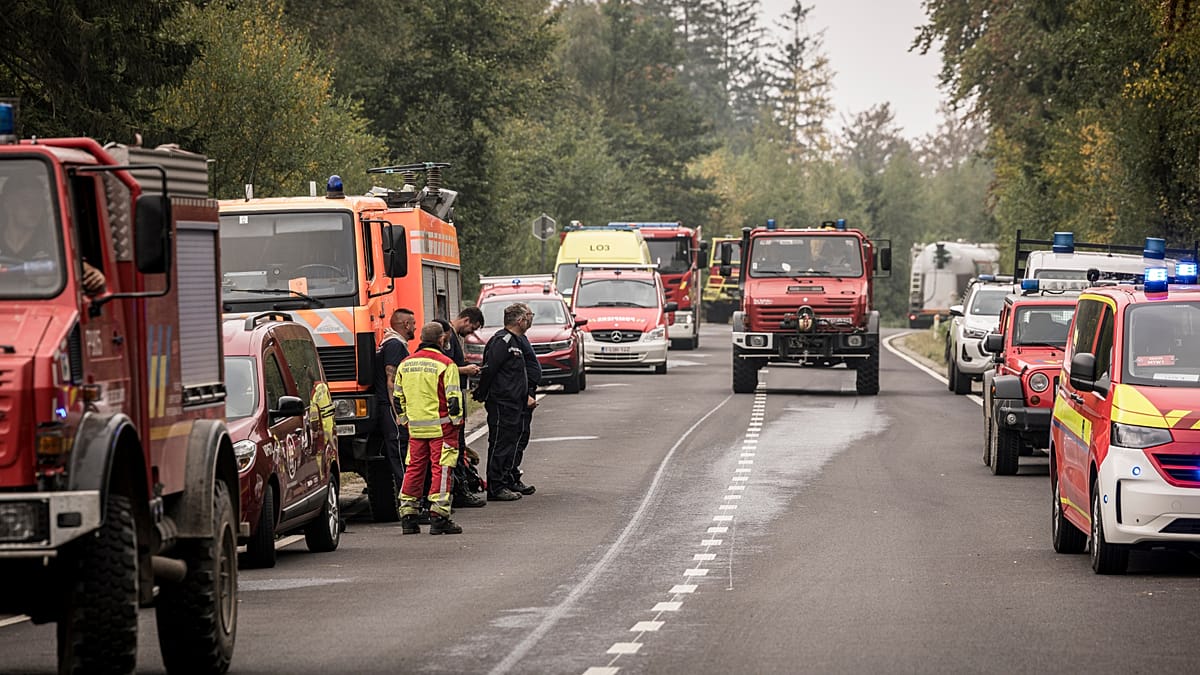
Speaking on the sidelines of the summit, Firth pointed to the summer's extreme weather across Europe—from heatwaves in Spain and Greece to devastating floods in Germany and Belgium—as evidence that the crisis is no longer a distant threat. Combined with the ongoing fuel crisis triggered by the war in Iran, she says the continent is facing a convergence of pressures that demands urgent action.
“There's not much space for climate denial anymore,” Firth told European Pulse. “The impacts are here, and they are affecting people's lives and livelihoods. This is a case for action, not for further delay.”
Pacific nations: the frontline of a crisis they didn't create
Firth's message extends beyond Europe. She is using her platform at COP31 to call on the international community to provide substantial financial support to Pacific Island nations. These countries, she notes, are neither the biggest polluters nor the largest contributors to greenhouse gas emissions, yet they are the ones facing the most severe consequences.
“They are the ones that are going to experience it the most,” she said. “Rising sea levels, stronger cyclones, and the loss of freshwater resources are existential threats for these communities. It's a matter of climate justice.”
Her comments come as health systems receive only 1% of climate finance, a figure that underscores the gap between rhetoric and reality. Firth argues that wealthy nations, including those in Europe, have a moral obligation to step up.
COP31: a summit with a missing heavyweight
The absence of an official US delegation—the Trump administration skipped the summit—has raised questions about the effectiveness of such gatherings. But Firth insists that COP31 still matters. “This summit shines a light on the issues and can provide impetus for more action,” she said. “Even without the US, the collective will of other nations can drive progress.”
Her optimism is tempered by the reality that several EU heavyweights also skipped the summit, raising concerns about Europe's climate leadership. Yet Firth believes the summit's agenda—covering everything from emissions targets to adaptation finance—remains essential.
“We need these moments to hold each other accountable,” she added. “The science is clear, and the tools are there. What we lack is political will.”
Europe's role in a warming world
Firth's research focuses on coastal ecosystems and how they respond to climate change, work that has direct relevance for Europe's shorelines. She warns that the continent's coastal cities and communities must prepare for a future of rising seas and more frequent storms.
“Europe is not immune,” she said. “From the Wadden Sea to the Mediterranean, we are seeing changes that will reshape our coastlines. Adaptation is no longer optional.”
Her call for action aligns with projections that fossil fuel emissions may dip in 2026, a positive sign that she says should not lead to complacency. “A dip is welcome, but we need sustained, deep cuts,” she stressed.
As COP31 continues in Antalya, Firth's message is clear: the time for debate is over. “We have the knowledge and the technology. What we need now is the courage to act.”