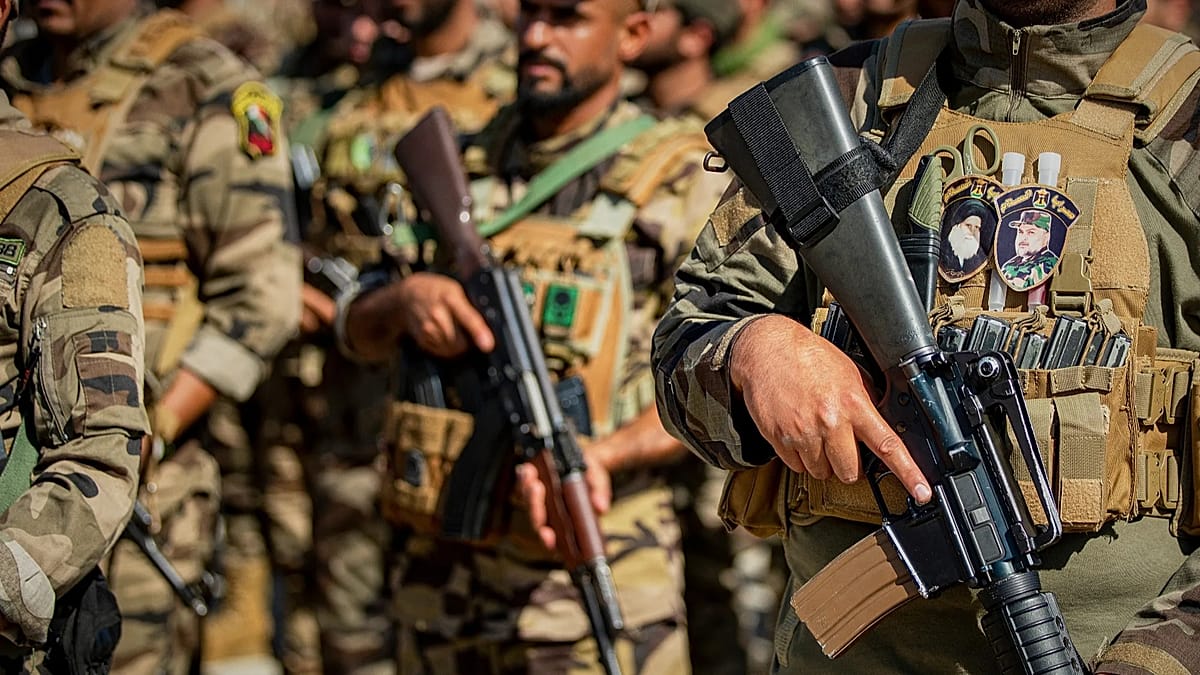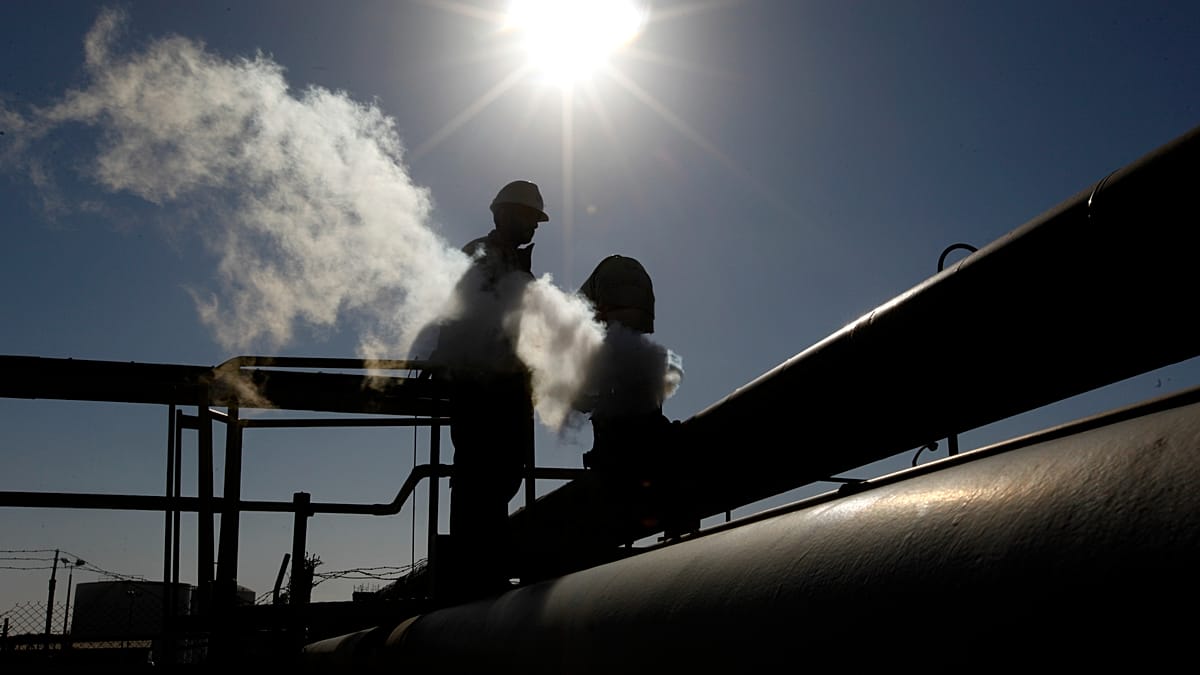
Libya's National Oil Corporation (NOC) said late on Monday that an unidentified armed group had closed a valve on the pipeline carrying crude from the El Sharara field to the Mediterranean port of Zawiya, sharply reducing output at the country's largest oil field and raising the prospect of contractual defaults on export cargoes.
The NOC warned that it could be compelled to declare force majeure — a legal mechanism that suspends supply obligations when circumstances lie beyond a company's control — if the interruption continues. The state-owned firm took the same step at El Sharara in January 2024 during an earlier blockade.
According to the NOC, the valve closure caused pressure to build inside the pipeline, forcing a significant reduction in production at El Sharara, which sits roughly 700 kilometres south of Tripoli in the country's southwestern desert. The company did not identify the group responsible.
A familiar tactic with outsized consequences
Armed factions and local protesters have repeatedly targeted Libya's oil infrastructure — fields, pipelines and export terminals — to extract political concessions or financial demands. The pattern has made the sector a barometer of the country's wider instability since the 2011 overthrow of Muammar Gaddafi.
El Sharara is operated by Akakus Oil Operations, a joint venture between the NOC and four European energy majors: Spain's Repsol, France's TotalEnergies, Austria's OMV and Norway's Equinor. At full capacity the field produces around 350,000 barrels per day, equivalent to roughly one-third of Libya's total output. It was shut for two years between November 2014 and December 2016 following a pipeline blockade, and has suffered repeated stoppages since.
The NOC also cautioned that the Zawiya refinery, about 45 kilometres west of the capital, could be forced to halt operations if the disruption drags on. Zawiya hosts one of Libya's principal export terminals, making the pipeline a critical artery for the country's crude sales.
Revenue at risk as prices climb
The timing is particularly awkward for Libya's public finances. Global oil prices have risen above $100 a barrel in recent weeks, driven by disruptions to shipping in the Gulf linked to the Iran conflict. The NOC noted that a prolonged shutdown would directly reduce state revenues just as the market is offering unusually high returns.
European refiners and policymakers are watching closely. The continent has spent the past three years diversifying away from Russian crude, and any loss of Libyan barrels adds pressure to already tight markets — a dynamic explored in our coverage of how a Saudi pipeline attack exposed Europe's fragile oil security. Competing supply routes are also in flux, with Qatar rejecting a Hormuz bypass pipeline while unveiling a major investment push.
Libya remains politically fractured between the UN-recognised Government of National Unity in Tripoli, led by Prime Minister Abdulhamid Dbeibah, and a rival administration in the east backed by military commander General Khalifa Haftar. That split has left the oil sector vulnerable to localised pressure tactics that can quickly escalate into national export crises.
For now, the NOC is monitoring the pipeline and has not set a deadline for restoring flows. But the episode underscores a recurring reality: in Libya, a single closed valve hundreds of kilometres from the coast can unsettle energy markets far beyond the Mediterranean.