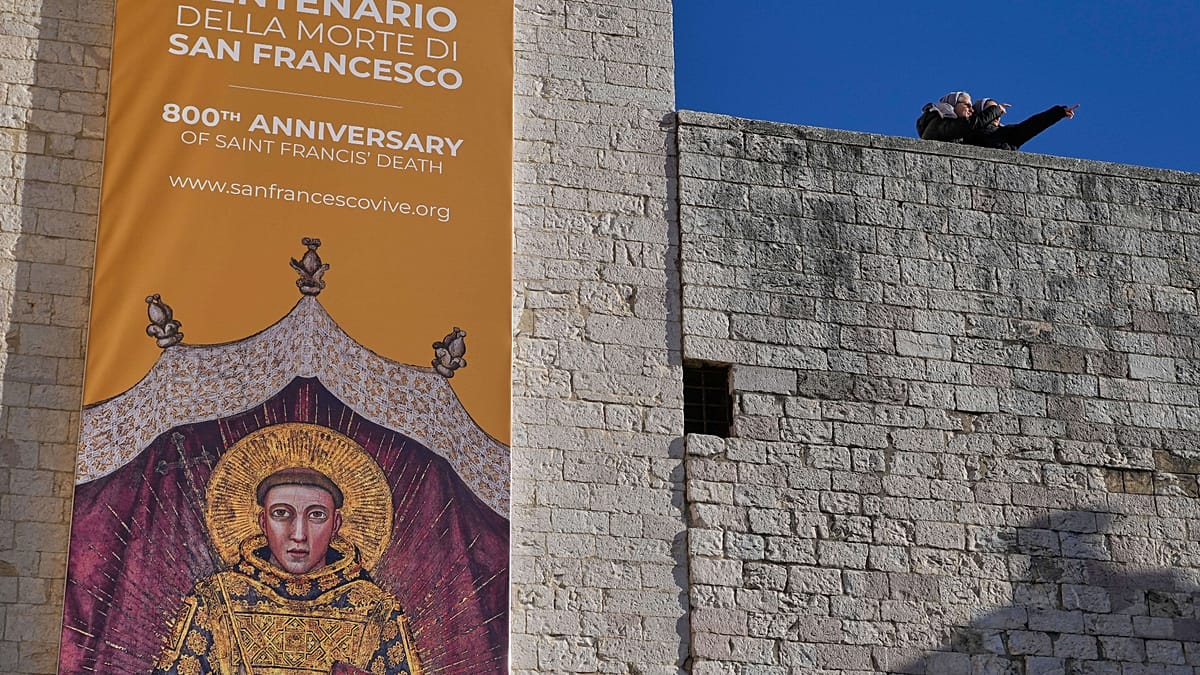
On Sunday 4 October, Assisi, the Umbrian hill town synonymous with the life of Saint Francis, marks eight centuries since the death of Italy's patron saint. The occasion, which falls on the saint's feast day, has been declared a national holiday for the first time since 1977, underscoring the enduring significance of the figure who renounced wealth to preach poverty and peace.
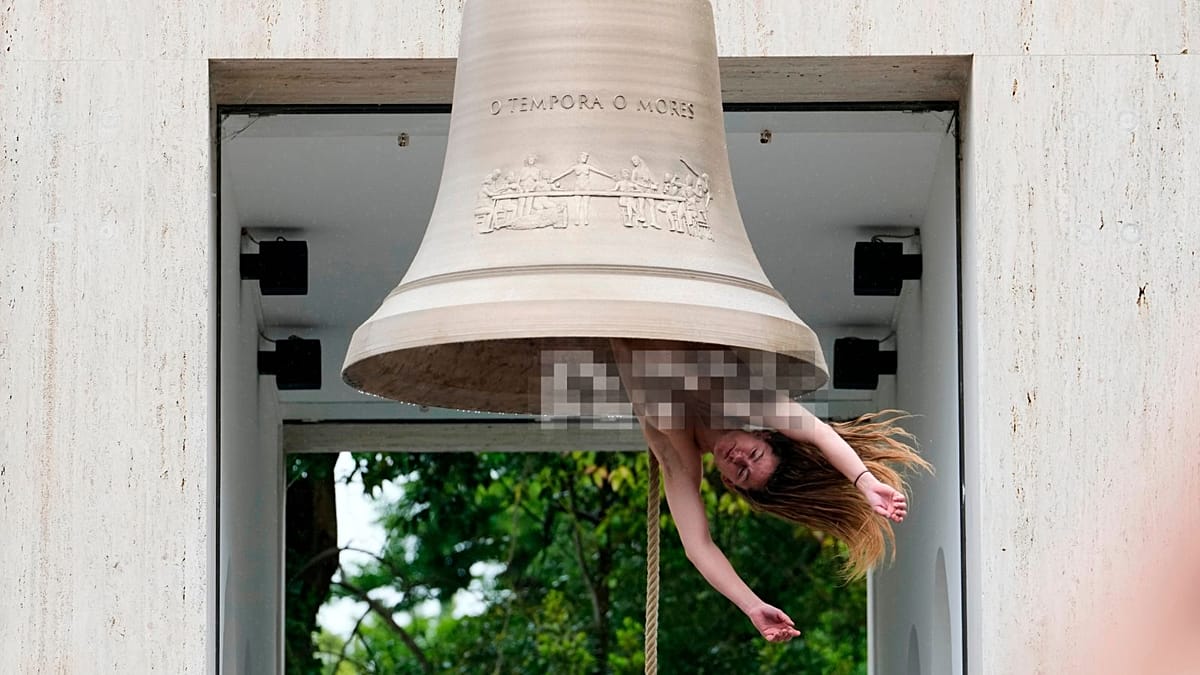
The day's programme began at midnight with the festive ringing of the town's bells, followed by an early morning mass for the Franciscan community. By mid-morning, thousands of pilgrims and tourists had gathered in the squares below the Sacred Convent, where President Sergio Mattarella was due to deliver an address to the nation from the loggia. His speech, scheduled for noon, was to be preceded by a solemn mass in the Upper Basilica, presided over by Cardinal Matteo Maria Zuppi and attended by ambassadors and representatives from countries with ties to the Franciscan order.
The anniversary has also brought together Italy's regional and municipal leaders. Eighteen of the country's twenty regions, along with an equal number of provincial capitals, have sent delegations to Assisi, a rare show of unity that reflects the saint's role as a symbol of national identity. During the mass, the region of Umbria offered the oil for the votive lamp, and the mayor of Assisi, Valter Stoppini, lit it on behalf of all Italian municipalities.
A jubilee year of cultural and spiritual reflection
The celebrations extend beyond the religious ceremonies. A major exhibition, "Saint Francis at the Porziuncola," opened at the Porziuncola Museum in the Basilica of Santa Maria degli Angeli, and will run until 25 October 2026. The museum has been renovated for the occasion, with a new entrance carved through a 15th-century cloister that once served as a passageway for the friars.
Curated by Friar Saul Tambini and Donatella Vaccari, the exhibition offers a deep dive into Franciscan iconography, from its 13th-century origins to later interpretations. For the first time, it brings together the breviaries of Saint Francis and Saint Clare, highlighting the spiritual kinship between the two founders of the Franciscan movement. Among the treasures on display are a portrait-relic attributed to Cimabue, believed to have been the lid of Francis's original coffin, and the table on which the saint is said to have greeted death in song. Also featured is the Crucifix of the Suffering Christ, painted by Giunta Pisano around 1236.
The exhibition is part of a broader Franciscan Jubilee Year, proclaimed by Pope Leo XIV, which began on 10 January 2026 and will conclude on 10 January 2027. The jubilee, which has drawn pilgrims from across Europe and beyond, is a reminder of the saint's enduring appeal as a model of simplicity and care for creation.
For many Italians, the return of the 4 October holiday is a moment to reflect on the values that Francis embodied. His message of peace and dialogue with nature resonates in a continent grappling with environmental and social challenges. As Assisi marks this historic milestone, the town has become a focal point for those seeking a more contemplative approach to modern life.
The anniversary also carries political weight. President Mattarella's address, broadcast live on giant screens in the square, was expected to touch on themes of unity and fraternity, echoing the saint's own calls for reconciliation. In a year marked by political tensions elsewhere in Europe, the gathering of regional leaders in Assisi offered a rare moment of collective purpose.
Beyond the ceremonies, the influx of visitors has given a boost to local businesses, from hotels to restaurants, and highlighted the town's role as a pilgrimage destination. The autumn travel season has been extended by the jubilee, with many visitors combining the religious events with explorations of Umbria's rolling hills and medieval towns.
As the day draws to a close, the bells of Assisi will ring out once more, a sound that has marked the passing of centuries and the enduring legacy of a saint who, in his final years, composed the Canticle of the Sun, a hymn to creation that remains a touchstone for environmentalists and believers alike. The 800th anniversary is not merely a commemoration but an invitation to consider what Francis's radical simplicity might mean in an age of excess.