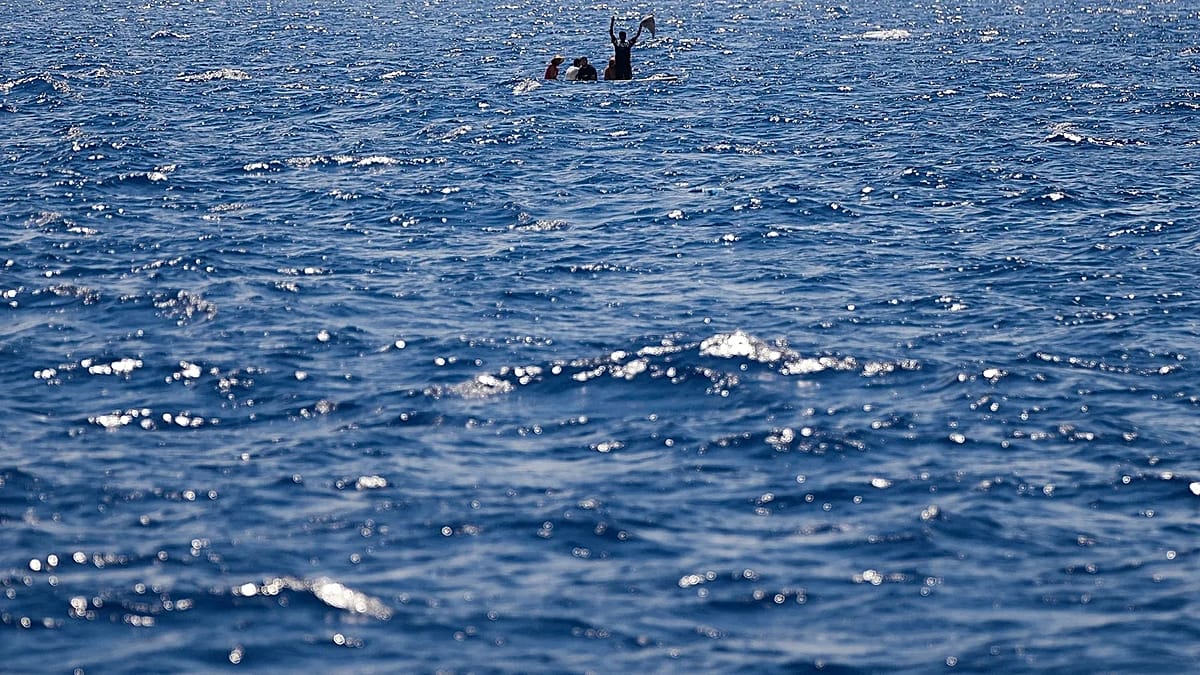
At least ten people have died after a migrant boat capsized in the Central Mediterranean, approximately 45 nautical miles (83 kilometres) east-southeast of Malta, the Italian coastguard confirmed late Sunday. The vessel, which had departed from the Libyan coast, was carrying roughly 60 people when it foundered.
In a statement, the Italian coastguard said it had recovered ten bodies from the water. A fishing vessel in the area rescued approximately 48 survivors. The coastguard noted that Malta had requested assistance in the search-and-rescue operation after receiving reports of a capsized vessel with migrants aboard and people in the water.
The Italian patrol boat joined the search on Sunday afternoon and continues to scour the area for any further survivors or victims. The incident underscores the ongoing peril faced by migrants attempting the Central Mediterranean crossing, one of the world's deadliest migration routes.
Rising Death Toll on the Central Mediterranean Route
According to the United Nations International Organisation for Migration (IOM), at least 827 people have died so far this year attempting to cross the Central Mediterranean, which connects North Africa to Italy and Malta. Last year, over 1,330 people lost their lives on this route. The IOM has repeatedly called for more robust search-and-rescue operations and legal pathways for migration to prevent further tragedies.
The latest shipwreck comes amid broader European debates over migration policy. The UK and France recently extended their 'one-in, one-out' migrant deal until October 2026, while the EU has been exploring measures to strengthen human rights safeguards for migrant return hubs, as Cypriot Minister recently outlined. Meanwhile, incidents of migrant exploitation persist, such as the burning alive of four farm workers in Italy, highlighting the vulnerabilities of migrants within Europe.
Malta, a small island nation with a population of just over half a million, has long been at the frontline of Mediterranean migration. The country's prime minister, Robert Abela, recently secured a fourth consecutive term for the Labour Party, as reported in Malta's Prime Minister Abela Poised for Fourth Labour Term. The government has faced criticism from human rights groups over its handling of migrant rescues, though it maintains that it adheres to international maritime law.
The Italian coastguard emphasised that the search operation remains ongoing, with no immediate indication of further survivors or bodies. The fishing vessel that rescued the 48 survivors is expected to bring them to a safe port, likely in Malta or Italy, where they will receive medical and humanitarian assistance.
This tragedy adds to a grim tally of deaths on the Central Mediterranean route, which the IOM has described as a "humanitarian crisis." The route has seen a surge in departures from Libya and Tunisia, driven by conflict, poverty, and instability in sub-Saharan Africa and the Middle East. European Union member states have struggled to agree on a unified approach to migration, with some calling for stricter border controls and others advocating for more humane policies.
As the search continues, the incident serves as a stark reminder of the human cost of Europe's fragmented migration policies. The IOM has urged all states to prioritise saving lives at sea and to address the root causes of irregular migration.



