In the Ionian Sea, a few kilometres from the better-known island of Ithaca, lies Atokos – a speck of land that until recently appeared on few travel itineraries. That has changed dramatically, thanks to an unlikely attraction: a herd of black wild boars that roam its beaches, swim in the shallows, and have become the island’s unofficial ambassadors.
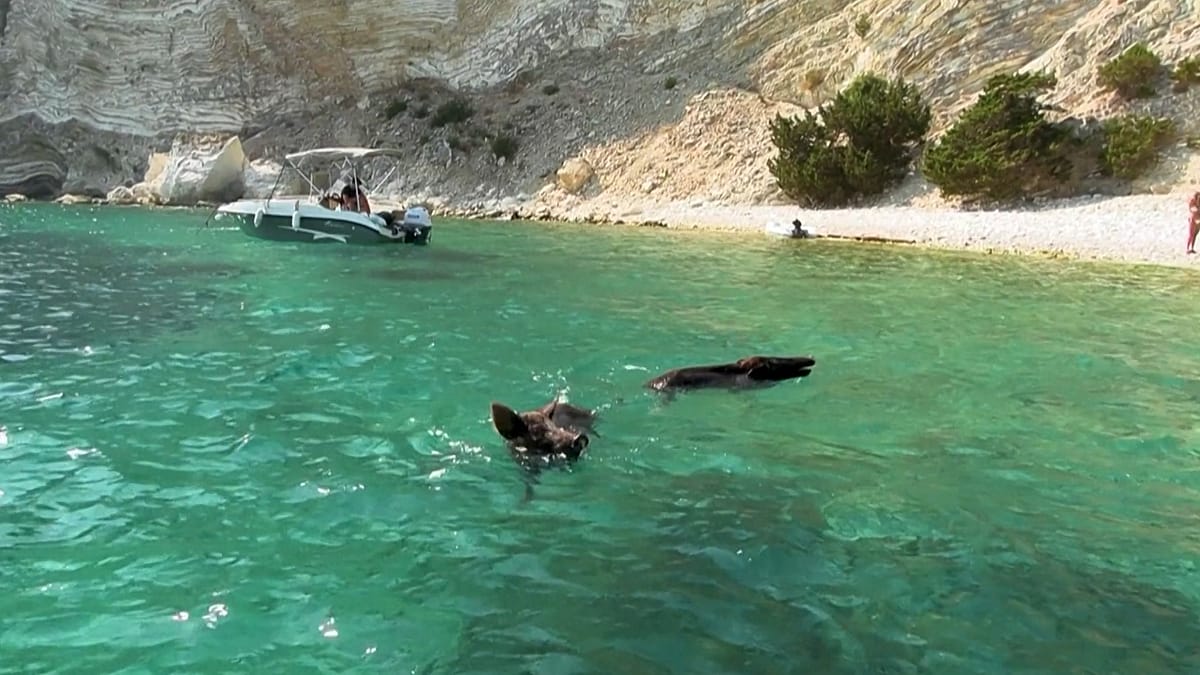
Atokos is privately owned and largely uninhabited, but its porcine residents have turned it into a viral phenomenon. Videos and photos of the animals paddling in turquoise water or lounging on the sand have spread across Instagram and TikTok, drawing visitors from across Europe and beyond. For many, the chance to see – and even swim with – the boars has become the highlight of a trip to the region.
From obscurity to 'Piggy Island'
The sudden fame has earned Atokos the playful nickname “Piggy Island”. Tour operators on nearby Lefkada and Kefalonia now run regular excursions to the islet, and demand has surged, particularly in the summer months. Renato Bisa, who organises boat trips from Ithaca, says he makes several crossings a day to keep up with interest.
“People contact me specifically to see the pigs,” Bisa told European Pulse. “They’ve seen the videos and they want to experience it for themselves. Some bring fruit to lure them closer to the boat.”
The boars, which appear to have grown accustomed to human presence, wander along the shoreline in search of food, seemingly indifferent to the crowds. When the heat becomes intense, they wade into the sea for a brief dip – a behaviour that has delighted tourists and fuelled the island’s reputation as a place where humans and wildlife coexist in an unusual, almost surreal, harmony.
For most visitors, the encounter is an unexpected bonus. “We came for the beaches and the clear water, but the pigs were the real surprise,” said Marta, a tourist from Spain. “It’s not every day you see a wild boar swimming next to you.”
The island’s transformation has been swift. Once a quiet stop for yachts and day-trippers, Atokos now attracts thousands of visitors each season. Local businesses have adapted, with boat operators adding extra departures and guides incorporating the boars into their narratives.
Yet the phenomenon raises questions about the impact of mass tourism on the animals and the island’s fragile ecosystem. While the boars seem tolerant of human attention, wildlife experts caution that feeding them or getting too close could alter their natural behaviour. The Greek authorities have not imposed specific restrictions, but the growing popularity of Atokos may eventually require a management plan.
For now, the island remains a quirky draw in the Ionian archipelago, a place where the line between wild and tame is delightfully blurred. As one local boat captain put it, “The pigs are the real owners here. We’re just visitors.”
Atokos is not the only Greek island making headlines for its wildlife. In a different corner of the country, a zoo in Attica recently welcomed Sumatran tiger cubs, while another island has been praised for eliminating its landfill and reaching near-zero waste. And for those interested in the region’s maritime life, Greek fisheries landed €166.6 million in 2025, with anchovy leading the catch.
Whether the boars of Atokos will remain a permanent fixture or a passing fad is uncertain. But for now, they have given the island a new identity – and a steady stream of curious visitors eager to share the water with some of Greece’s most unexpected swimmers.