Europe's aviation sector has issued an urgent plea to European Commission President Ursula von der Leyen, warning that the Schengen Entry/Exit System (EES) has reached a "critical point" and is causing severe disruption for travellers during the peak summer season. In an open letter published on 1 July, organisations representing airports, airlines, and air transport—ACI EUROPE, Airlines for Europe (A4E), and the International Air Transport Association (IATA)—called for immediate flexibility to temporarily suspend the digital border system when passenger volumes overwhelm operational capacity.
"Today we have reached a critical point," the letter states. "The current implementation of the EES is creating severe operational consequences disrupting passengers and putting border authorities, airports and airlines under unsustainable pressure." The groups urged Brussels to act before conditions worsen further during July and August, when European airports are expected to handle around 40 million more passengers than in the previous two months.
Five-Hour Queues and Missed Flights
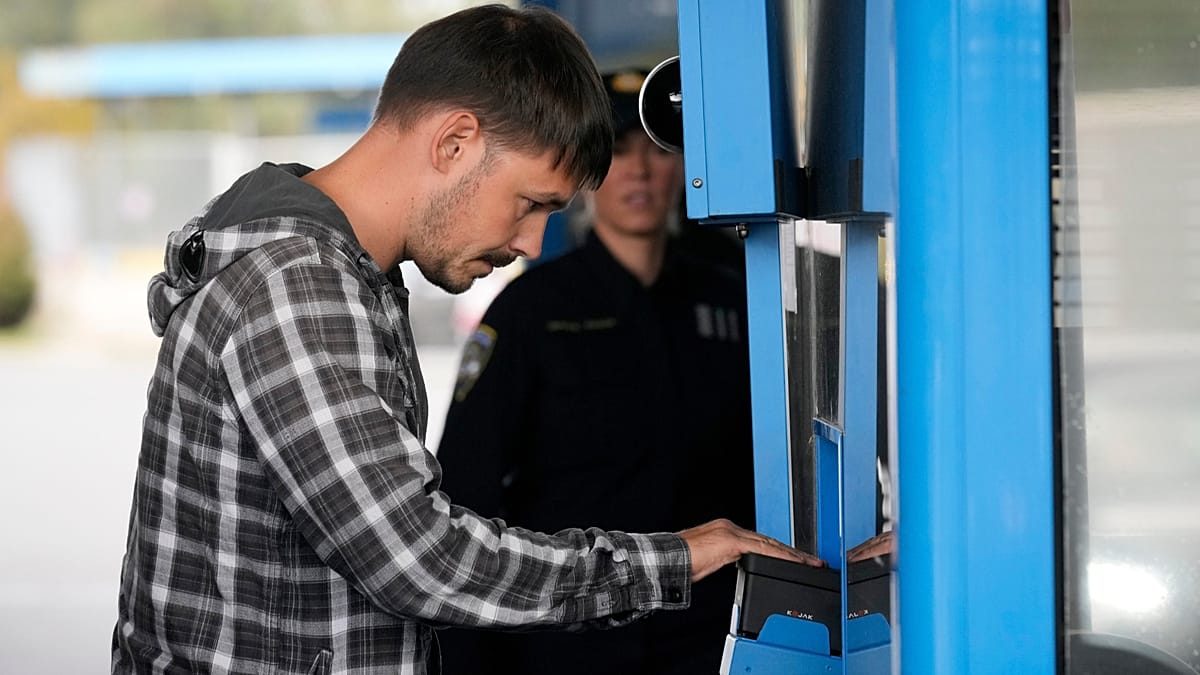
The EES became fully operational across the Schengen area in April 2026, replacing passport stamping for most non-EU travellers with a digital system that records entries and exits alongside biometric data, including fingerprints and facial images. Designed to strengthen border security and identify visa overstayers, the system has instead created bottlenecks at many airports. According to the letter, waiting times at border control now reach "up to five hours during peak traffic periods," resulting in missed flight connections, delayed departures, and mounting pressure on frontline staff. Smaller airports serving popular holiday destinations are also struggling, with passengers queuing outside terminals because border facilities cannot process arrivals quickly enough. "Airlines face half-empty planes at gate closing time, while passengers are stuck in border control queues," the letter adds.
The industry acknowledged that member states have already been permitted to temporarily suspend biometric collection until early September, but argued that this flexibility has failed to prevent excessive queues or operational disruption. They now urge the Commission to provide member states with all the flexibility needed to completely suspend EES preventively whenever passenger volumes exceed the operational capacity of border control facilities, at least throughout July and August. Furthermore, they call for a permanent operational flexibility mechanism to be established by September, allowing border control authorities to suspend EES procedures under clearly defined exceptional circumstances.
Reputation and Competitiveness at Stake
The letter warns that the reputation of the EU and confidence in its regulatory framework are also at stake. Europe must remain a destination that is "not only secure but also efficient, welcoming and competitive." Some international visitors are already "reconsidering trips" to Europe because of the "prospect of excessive border delays," which is "undermining Europe's reputation, European tourism and connectivity, in particular." This echoes concerns raised in a separate dispute at Rome airports, where operators threatened to halt the EES over similar fears of summer travel chaos.
The World Travel & Tourism Council (WTTC) has also called for coordinated action. While recognising the importance of modernising border systems and strengthening security, WTTC has consistently warned that without adequate flexibility, reliable equipment, sufficient staffing, and traveller communication, "operational bottlenecks risk undermining the visitor experience and Europe's global competitiveness as a destination." Recent WTTC analysis indicates that consistent border waits of three or more hours could "significantly deter demand," with around one-third of travellers saying they would be less likely to visit the Schengen area. Applied to 2026 forecasts, this could place up to 41 million arrivals and $45.4 billion in potential visitor spending at risk.
"EES represents an important step towards smarter, more secure borders for Europe," said Gloria Guevara, President and CEO of WTTC. "But implementation must be practical, coordinated and traveller focused. If lengthy delays become accepted practice, travellers will look elsewhere. Europe cannot afford to compromise its competitiveness or the experience it offers millions of visitors."
The aviation industry's appeal comes as Europe grapples with broader challenges, including the need to balance security with efficiency. The outcome of this dispute will have significant implications for the continent's travel sector, which is a vital economic driver for many member states.