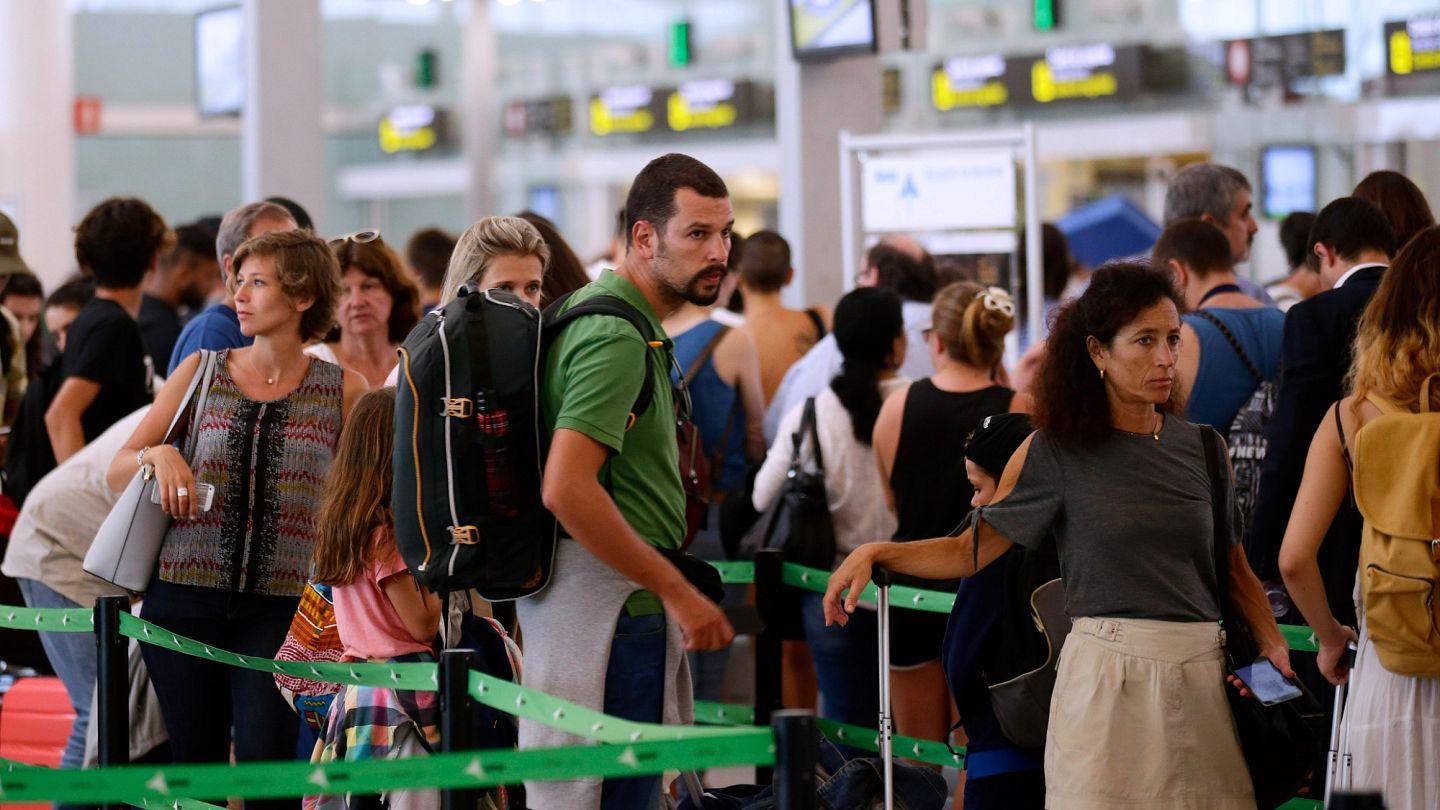
Italy's busiest airports, including Rome's Fiumicino and Ciampino, have issued stark warnings that they may be forced to suspend the European Union's new Entry/Exit System (EES) if preparations do not improve before the summer travel peak. The system, designed to register non-EU travellers' biometric data—fingerprints and facial images—at external borders, has raised serious operational concerns among airport operators and airlines.
Speaking to Italian media, airport management described themselves as “very worried” about the potential for chaos during the high season, when passenger volumes surge. The EES, which replaces passport stamping with automated checks, requires additional infrastructure and personnel to process travellers efficiently. Without these, airports fear that queues could stretch for hours, disrupting flights and damaging Italy's reputation as a tourist destination.
Operational Bottlenecks and Calls for Delay
The concerns are not limited to Rome. Several European airports have already called for the system to be postponed, arguing that the rollout has been rushed. In a joint statement earlier this year, the Airports Council International Europe (ACI Europe) warned that many hubs lack the necessary space and technology to implement the checks without causing major delays. The situation is particularly acute in airports with limited terminal capacity, such as those in southern Europe that handle large volumes of summer traffic.
Italian authorities have requested additional support from the European Commission, including funding for extra staff and equipment. However, with the summer season already underway, time is running short. The prospect of Rome unilaterally suspending the system would be a significant setback for the EU's border modernisation plans, which aim to enhance security and streamline travel for non-EU citizens.
The EES is part of a broader package of new border measures, including the European Travel Information and Authorisation System (ETIAS), which is expected to come into force later. For British travellers, the changes add another layer of complexity to post-Brexit travel. As a decade after Brexit, British travellers still grapple with confusing EU rules, the potential suspension of EES could offer temporary relief but also underscores the ongoing friction at the EU-UK border.
Impact on Summer Travel and Tourism
Italy is one of Europe's most visited countries, with Rome alone attracting millions of tourists each year. The summer of 2026 is expected to see a rebound in travel, with many opting for short breaks and family trips. According to recent trends, European summer travel in 2026 is dominated by short breaks, family trips, and coolcations. Any disruption at key entry points could deter visitors and shift travel patterns.
Airport operators argue that the EES, while beneficial in the long term, was designed without sufficient consideration of peak-time pressures. “We are not against the system in principle,” said a spokesperson for Aeroporti di Roma. “But implementing it without adequate preparation risks turning the summer travel experience into a nightmare for passengers and staff alike.”
The European Commission has acknowledged the concerns but insists that the system is ready. A spokesperson stated that member states have had years to prepare and that the EES will ultimately make borders more efficient. However, the threat of a suspension by Rome could force Brussels to reconsider the timeline or offer more flexibility.
Broader Implications for EU Border Policy
If Rome's airports follow through on their threat, it could trigger a domino effect across the continent. Other major hubs, such as Paris-Charles de Gaulle, Frankfurt, and Amsterdam Schiphol, are watching closely. The EES is a cornerstone of the EU's Smart Borders initiative, and any delay would be politically embarrassing for the Commission.
Meanwhile, the travel industry is bracing for a summer of uncertainty. Airlines have warned that long queues could lead to missed flights and increased costs. For now, passengers are advised to arrive early and ensure their documents are in order. The situation remains fluid, with further discussions expected between Italian authorities and EU officials in the coming weeks.
As Europe's travel landscape evolves, the balance between security and convenience remains delicate. The outcome of this standoff will likely shape border procedures for years to come.