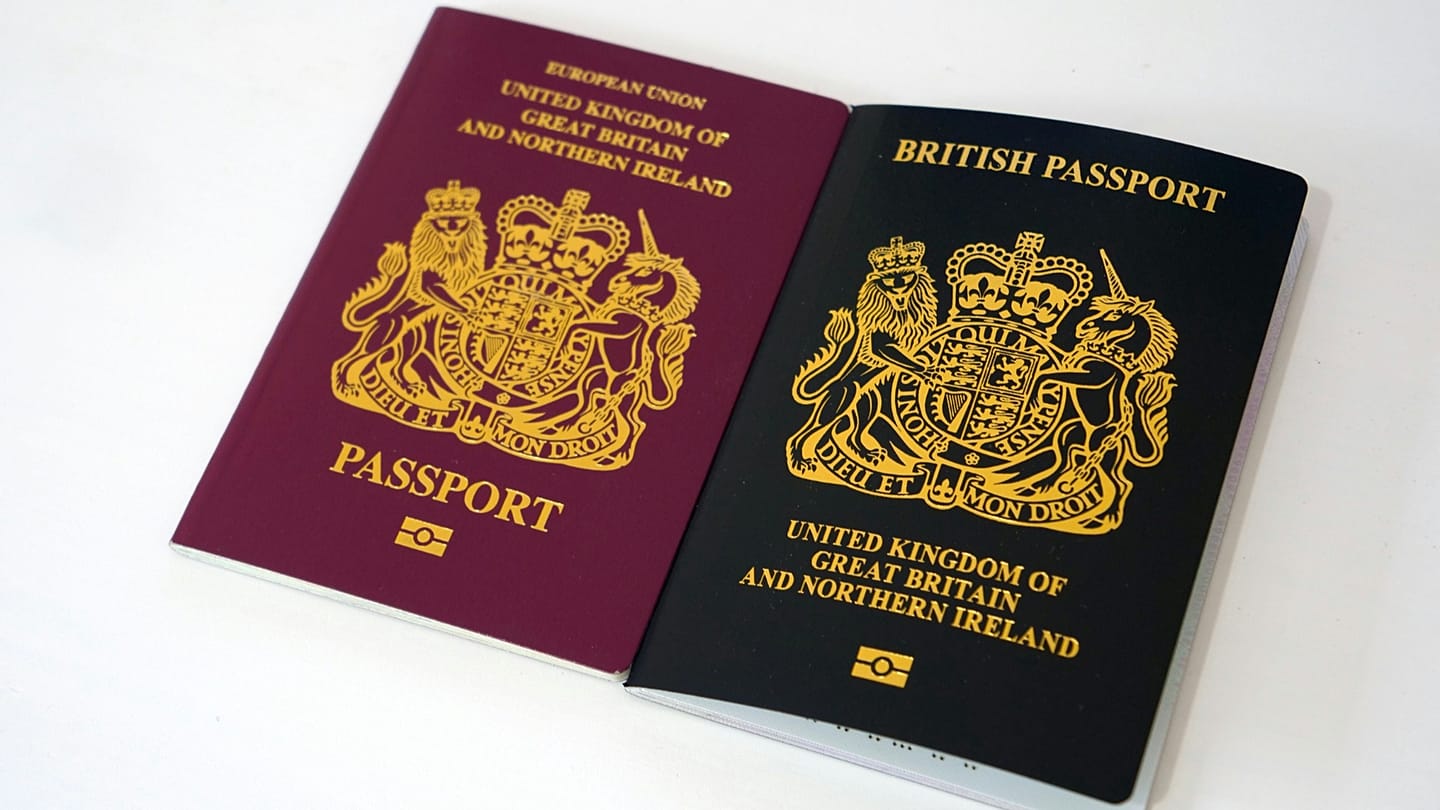
Ten years after the United Kingdom voted to leave the European Union, a significant number of British travellers remain uncertain about the practical implications for their holidays in Europe. From passport validity rules to healthcare cover and the introduction of new EU border checks, the legacy of Brexit continues to complicate travel for millions.
Passport and Healthcare Confusion
One of the most persistent sources of confusion is passport validity. Many British travellers are unaware that their passports must have been issued less than ten years before their travel date and must be valid for at least three months beyond their planned departure from the EU. This rule, introduced after Brexit, has led to numerous cases of travellers being denied boarding at airports in London, Manchester, and Edinburgh.
Healthcare coverage is another area of uncertainty. The European Health Insurance Card (EHIC) was replaced by the UK Global Health Insurance Card (GHIC) after Brexit, but many Britons still mistakenly believe their old EHIC is valid. While the GHIC provides some cover, it does not include the same level of protection as the EHIC, and travellers are advised to take out comprehensive travel insurance. This confusion has been exacerbated by inconsistent messaging from the UK government and travel operators.
New EU Border Checks Loom
Looking ahead, the introduction of the European Travel Information and Authorisation System (ETIAS) and the Entry/Exit System (EES) will add further layers of complexity. ETIAS, expected to be operational by 2025, will require British travellers to obtain a pre-travel authorisation, similar to the US ESTA. The EES will digitally record the entry and exit of non-EU nationals, including Britons, at Schengen area borders. These systems are designed to enhance security but will inevitably increase processing times at border crossings, particularly at busy ports like Calais and airports such as Amsterdam Schiphol.
The confusion is not limited to British travellers. EU citizens visiting the UK also face new requirements, including the need for an Electronic Travel Authorisation (ETA) from 2024. This reciprocal arrangement has created a patchwork of rules that many find bewildering.
Broader Context of Brexit's Impact
These travel rule confusions are part of a wider pattern of post-Brexit adjustment. As noted in our analysis of Britain's economic reckoning, the departure from the EU has had far-reaching consequences beyond travel. The travel sector, however, remains one of the most visible areas of friction, with airlines and ferry operators reporting frequent passenger queries about documentation.
Public opinion in the UK has shifted notably since the referendum. Recent polling shows a growing desire for closer ties with the EU, though the political will to reverse the decision remains absent. Meanwhile, support for the EU has risen across the continent, with many Europeans viewing Brexit as a cautionary tale.
Practical Advice for Travellers
For British travellers planning trips to EU countries, the key is preparation. Check passport validity well in advance, ensure you have the correct health insurance, and stay informed about upcoming changes like ETIAS. Travel operators and embassies in Paris, Berlin, and Rome have all reported an increase in queries from British tourists, suggesting that the confusion is unlikely to dissipate soon.
As the tenth anniversary of the referendum approaches, the travel industry continues to adapt. Eurostar, for instance, has adjusted its services in response to changing demand, as seen in its recent reduction of Paris-London routes. Yet the underlying uncertainty remains a challenge for both travellers and businesses.
In the end, the legacy of Brexit for travel is one of persistent friction. While the UK and EU have moved on to other priorities, the practical consequences for millions of holidaymakers are still being felt. For those planning a trip to the continent, the message is clear: do your homework, or risk being turned away at the gate.